
Premier League defences have rarely felt this exposed. The 2025/26 campaign has unfolded at a relentless pace, defined by transitions, compressed space and a growing willingness among managers to sacrifice control for intensity. Goals are flowing. The cost at the back is harder to ignore.
This is not about individual errors or declining standards. It runs deeper. For Premier League defences, the issue is no longer occasional exposure but structural strain. Tactical boldness, congested scheduling, and a shift toward vertical play, leaving little room for hesitation are stretching back lines across the division.
The spectacle has improved. Defensive security has not. Recent league data shows goals per game remain among the highest of the past five seasons.
The Tactical Gamble
The league’s stylistic direction has tilted decisively toward aggression. High defensive lines are now standard rather than selective. Full-backs invert into midfield. Centre-halves are asked to initiate build-up under pressure. The game has become faster, but also thinner. That acceleration leaves Premier League defences operating with far less margin for correction than in previous seasons.
When possession is lost, recovery space is vast. That exposure is no longer confined to mid-table sides. Even clubs competing for Champions League qualification, including the resurgence highlighted in Manchester United’s top-four hopes, have found themselves conceding chances in patterns that would once have been considered reckless.
It reflects both confidence and necessity. Caution often invites defeat in a league that quickly overwhelms passive systems. Yet with ambition comes vulnerability. The result is a campaign in which defensive units spend long stretches reacting rather than controlling.
Premier League Defences and the Burden of Fatigue
The least glamorous explanation may also be the most significant. The schedule itself has quietly reshaped tactical behaviour across the division. Recovery windows have narrowed. Rotations have become less strategic and more necessary. In that environment, cohesion suffers first. A defensive partnership built on instinct can unravel when altered every few weeks.
It is not merely muscular fatigue but cognitive strain. Defensive organisation depends on timing and communication – on subtle cues that are sharpened through repetition. When selection changes repeatedly, those cues dull.
The line drops half a yard deeper. The press triggers half a second later. In a league that punishes hesitation, that is enough.
Set Pieces and the Return of Margins
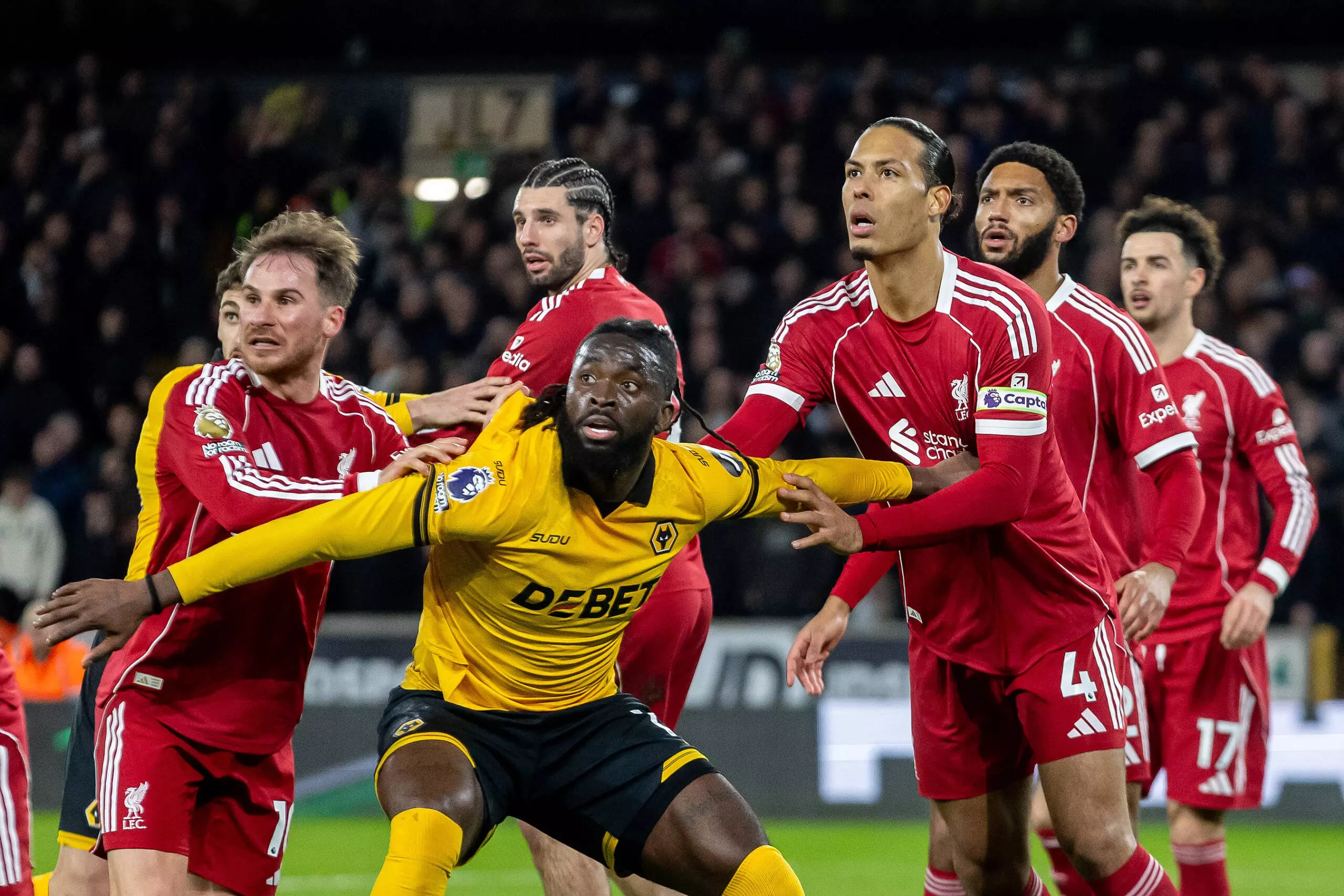
If fatigue exposes structure, set pieces expose concentration. For all the tactical innovation in open play, dead-ball situations remain brutally simple. Deliver, attack, react. And in those seconds after initial contact, organisation is tested more severely than at any other point in the match.
Several sides have conceded not from the first header, but from the second phase – when lines are no longer compact, and defenders hesitate between clearing and resetting shape. It is not a question of aerial weakness so much as spatial discipline. When the defensive block stretches, vulnerability follows. Those moments of disorganisation are proving especially costly.
Corners and wide free-kicks have therefore regained strategic importance. In a season defined by attacking transitions, controlled restarts are becoming decisive terrain.
Transitional Football and Structural Risk
The Premier League’s current rhythm encourages forward momentum above all else. For Premier League defences, that rhythm can feel unforgiving. Full-backs advance simultaneously. Midfielders step beyond the ball. Wingers hold width before cutting inside. The effect is exhilarating – until possession turns.
In those moments, distances expand rapidly. Centre-backs are left covering channels that did not previously exist. Recovery runs grow longer. The defensive midfielder, once the natural screen, is often already committed to the press.
This is not recklessness but calculated ambition. Managers accept transitional exposure in exchange for territorial dominance. But when execution falters, the cost is immediate. Defensive lines retreat instinctively, inviting further pressure rather than regaining control.
YOU MAY ALSO LIKE: VAR Regulations Revamped Ahead of Looming 2026 World Cup
The Psychological Toll on Back Lines
There is also a psychological component that rarely features in tactical diagrams. Defending in the Premier League is a continuous negotiation between risk and caution. One mistimed step forward can open a lane; one hesitant drop can invite sustained pressure.
Unlike attacking errors, defensive mistakes linger. They shape momentum and perception. A misplaced pass in midfield can be recovered. A misjudged clearance often cannot.
Under sustained scrutiny – from opponents and from narrative alike – defenders operate in a narrower margin of forgiveness. That reality influences behaviour. Decisions become more conservative. Lines compress earlier. What begins as structural adaptation can quietly become overprotection.
Depth, Rotation and the Cost of Adjustment
Squad depth has become essential rather than optional. European commitments and domestic competition demand rotation, yet defensive chemistry resists constant alteration. Partnerships thrive on familiarity. Small adjustments in body orientation, communication or covering distance matter more than they appear.
When centre-back pairings change, the ripple extends outward. Full-backs adjust positioning. Midfield screens recalibrate distances. Pressing triggers shift subtly. None of it is dramatic, but all of it accumulates. That accumulation often surfaces on the margins of tight matches.
Over a season, these micro-adjustments compound into moments that shape outcomes – a late equaliser conceded, a narrow lead surrendered.
What It Means for the Run-In
As the campaign moves toward its final stretch, balance will determine trajectory. The teams capable of sustaining attacking ambition without surrendering structural clarity will define the upper reaches of the table. The question facing Premier League defences is no longer whether to adapt, but how quickly.
Premier League defences are not deteriorating. They are adapting to a harsher environment. Risk cannot be eliminated. The issue is whether it can be managed without sacrificing the aggression that now defines the league.
In a competition that prizes tempo and rewards boldness, defensive resilience remains understated but decisive. Goals dominate the highlights. Structure decides the table.
Main Photo
Credit: IMAGO /Pro Sports Images
Recording Dat: 03.03.2026