
16 Teams, 4 Spots, UEFA World Cup Play‑Off Destiny Awaits
There are 16 European sides, 4 remaining spots, and less than a week to go to decide who crashes out of the 2026 World Cup path and who finally makes it to the USA, Mexico, and Canada. Four of FIFA’s top‑30‑ranked nations are still on the road, and with squads now locked in, the drama is no longer about who shows up it’s about who can handle the pressure in a single elimination format that is unforgiving.
Italy The Favorite, But Not Safe, in Path A
Four‑time World Cup winners Italy stand on the edge of a historic collapse: a third consecutive World Cup miss would be a permanent failure for this generation of Italian footballers. Path A is the only shot to avoid that, and on paper, it’s their tournament to control. Italy’s recent results have on paper been solid, with just two losses (both to Norway) since June 2025, and a backbone of Serie A talent remains intact: Inter Milan’s Federico Dimarco and Nicolò Barella, Arsenal’s Riccardo Calafiori, Newcastle’s Sandro Tonali, Liverpool’s Federico Chiesa, and a still‑elite Manchester City man Gianluigi Donnarumma in goal lead the charge. Atalanta’s Gianluca Scamacca and other Serie A standouts add depth and experience, even as the league dips in global stature due to both a lack of development and less payroll.
Yet the semifinal in Bergamo, against a compact, defensive Northern Ireland, is where the narrative shifts. The Northern Irish have only reached the World Cup three times, and their 2025 cycle was patchy, though they did beat Slovakia in Belfast. Most of the squad comes from England’s lower divisions, with a scattering of top‑flight talent like Sunderland’s Trai Hume and experienced Hull City man Paddy McNair. The group is low on stars, but high on chemistry and a scrappy, physical identity. Italy will be heavy favorites, but the weight of expectation and a 90‑minute knockout can still lead to disaster for Italy.
The second semifinal pits Wales against Bosnia and Herzegovina, a clash of two modest‑World‑Cup‑pedigree sides. Bosnia’s 2014 run as an independent nation and Wales’ 2022 campaign remain their peaks, and neither enters as a true football‑powerhouse. Bosnia lean on veteran Edin Džeko, Hull City’s Amir Hadžiahmetović, and Atalanta’s Sead Kolašinac, and they carry a respectable record that’s built on grinding out results. Wales, led by Fulham’s Harry Wilson, Crystal Palace’s Brennan Johnson, and Leeds’ Daniel James, lost to Belgium and England, but they’re still the more cohesive side on paper. The Cardiff home‑field edge and Wales’ better‑balanced squad make them slight favorites, but Bosnia have enough grit and a touch of unpredictability to keep things tense.
The path‑A final, likely between Italy and Wales, still feels like Italy’s to lose: a more experienced, deeper, and better‑structured side, with a history of clawing through big games. But if they falter, Wales could enjoy World Cup glory.
Ukraine, Sweden, Poland, and Albania in Path B
Path B is where the stakes are emotional and psychological as much as tactical. Ukraine, enduring a brutal war at home, seek a World Cup appearance that can lift the nation’s spirits and further boost national pride. The squad is built around experience and a mix of European‑league talent: Benfica’s Anatoliy Trubin, PSG’s Illia Zabarnyi, and Everton’s Vitaliy Mykolenko form the defensive spine, while Genoa’s Ruslan Malinovskyi and Lyon’s Roman Yaremchuk provide the attacking spark. Ukraine’s 2025 exploits, including two wins over Iceland, show they can still punch above their weight.
They face Sweden in Valencia, Spain, a neutral‑ground tie that removes the usual home‑advantage props. Sweden’s recent international form has been dismal: winless in competitive games for a long period, and with a coach change to Graham Potter bringing in a new philosophy. The squad retains big‑time names: Aston Villa’s Victor Lindelöf, Tottenham’s Lucas Bergvall, and Eintracht Frankfurt’s Hugo Larsson, plus Arsenal’s Viktor Gyökeres and Barcelona’s Roony as attacking options. Sweden’s best chance under Potter is to finally unlock their attack and force Ukraine to match them goal for goal, something that Ukraine likely isn’t prepped to do.
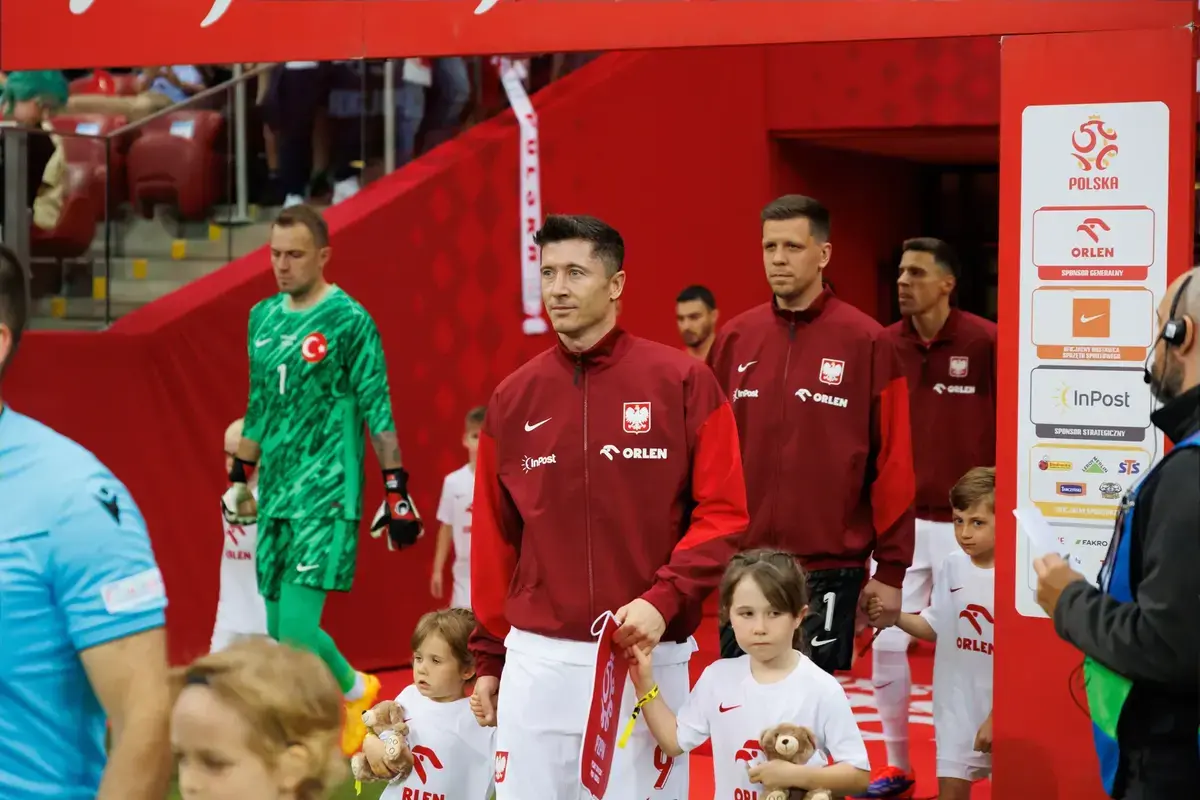
Poland, meanwhile, enter the path with a home‑field advantage in Warsaw and a solid team. The squad has just one loss in 2025, a defeat to Finland, and draws against the Netherlands highlight a solid, if not spectacular, run. Barcelona’s Robert Lewandowski, 40, remains a focal point, and teenage Porto winger Oskar Pietuszewski adds a spark of youth. The backline, led by Porto’s Jan Bednarek and Arsenal‑on‑loan Jakub Kiwior, provides one of the best defensive pairings in Europe. Poland host Albania, a nation yet to reach the World Cup, who have shown flashes of quality—like a 2‑0 win over Serbia—but lack the finishing flair and depth of their opponents.
Albania’s squad, anchored by Lazio’s Elseid Hysaj and Besiktas’ Kristjan Asllani, leans on a compact, defensive identity. The forwards are less decorated, with Sivasspor’s Rey Manaj leading the line. Albania will likely sit and defend, hoping for a 1‑0 that Poland can’t crack.
Poland feel like slight favorites to win the path, but Sweden and Ukraine can make their case.
Path C: Turkey’s Golden Generation Aims for a Third World Cup
Path C is where the story is most narratively rich—and where the favorite is also not full of confidence. Turkey are aiming for a third World Cup appearance, and their 2025 cycle ended with a draw against Spain, showing they can still mix it with Europe’s elite. Their first semifinal comes against Romania in Istanbul, and the squad is built around a blend of youth and experience. Midfield maestro Hakan Çalhanoğlu, Real Madrid’s 21‑year‑old Arda Güler, and Juventus’ 20‑year‑old Kenan Yıldız anchor the side, with a squad loaded with eight different forwards under 25.
Romania, seeking their eighth World Cup, are the clear underdogs, but not without pride. The 2025 cycle was inconsistent, but a home win over Austria shows they can still grind. Tottenham’s Rădu Drăgușin leads the squad, but the attack is thin, and the squad is built on domestic‑league and lower‑tier European experience. Romania are likely to sit and absorb pressure, hoping for a 1‑0 that forces extra time or a shootout.
The second semifinal pairs Slovakia and Kosovo, a clash of traditional modest World‑Cup regulars and a rising power. Slovakia’s squad, led by Fenerbahçe’s Milan Škriniar and Atletico Madrid’s David Hancko, boasts a solid defense and a steady midfield presence through Napoli’s Stanislav Lobotka. The forwards are less decorated, but Slovakia’s 2‑0 home win over Germany in 2025 highlights they can still punch up. Kosovo, born as a national team just over a decade ago, seek their first World Cup. They’ve beaten Sweden twice in 2025 and bring a compact, aggressive midfield led by Besiktas’ Milot Rashica and captain Vedat Muriqi, with Juventus’ Edon Zhegrova adding flair.
Turkey remain the clear favorites on paper, but the path is wide enough for surprises. Kosovo’s aggression and Slovakia’s experience give them both a shot at the final, while Romania would be a true surprise.
Path D: Denmark’s Best Shot, or a Boom for the Underdogs
Path D is the most straightforward, but the most emotionally charged in practice. Denmark, despite a 7‑World‑Cup‑pedigree, have a surprisingly modest recent track record, and the 2025 loss to Scotland hurt them. But the squad is still stacked: Wolfsburg’s Christian Eriksen, 34, is the emotional leader, with Fulham’s Joachim Andersen, Porto’s Victor Färhold, and Marseille’s Pierre‑Emile Højbjerg providing balance. The forwards, including MLS MVP candidate Anders Dreyer, Bodo/Glimt’s Kasper Høgh, and Napoli’s Rasmus Højlund, add attacking flair and depth.
North Macedonia, seeking their first World Cup, are the scrappy, low‑ranked outsider, with Napoli’s Elij Elmas in midfield and Rangers’ Bojan Miovski up front. A shock win in Copenhagen would be a massive upset, but Denmark’s strength and experience give them a clear edge to go through.
The Republic of Ireland is looking for a 4th World Cup, having beaten both Portugal and Hungary to finish out 2025 in amazing form. Going to Prague won’t be easy for a side that include Everton’s legend Seamus Coleman, and AZ’s Troy Parrott. They lack superstars but seem to believe in each other. The Czech Republic seek a 10th World Cup despite suffering an awful defeat to the Faroe Islands in October of last year. West Ham’s Tomas Soucek and Slavia Prague’s Lukas Provod are here, as is Lyon’s 22-year-old Adam Karabec, and veteran striker Patrik Schick of Bayer Leverkusen.
The Czech side is more star studded and at home, but Ireland could go through. Denmark will be favorites to win and qualify for the World Cup.
Four Qualifiers Will be Decided
In the end, 16 teams, 4 spots, and mere days of pressure say one thing: rankings, past glories, and squad depth are just one part of the story. Even the favorites can be undone by a single goal, a red card, or a 20‑minute lapse in focus. The path to the USA, Mexico, and Canada will be decided not by the rosters, but by the 90 minutes on the field—where the best team on the day, not the best team on paper, will book their spot.
The stage is set, the squads are here, and the only rule that truly matters is that the World Cup will not play favorites; it will reward the team that can handle the moment.
Main Photo Credit: Smartframe images