
Arsenal’s European redemption awaits its destiny as 20 years of waiting end on May 30.
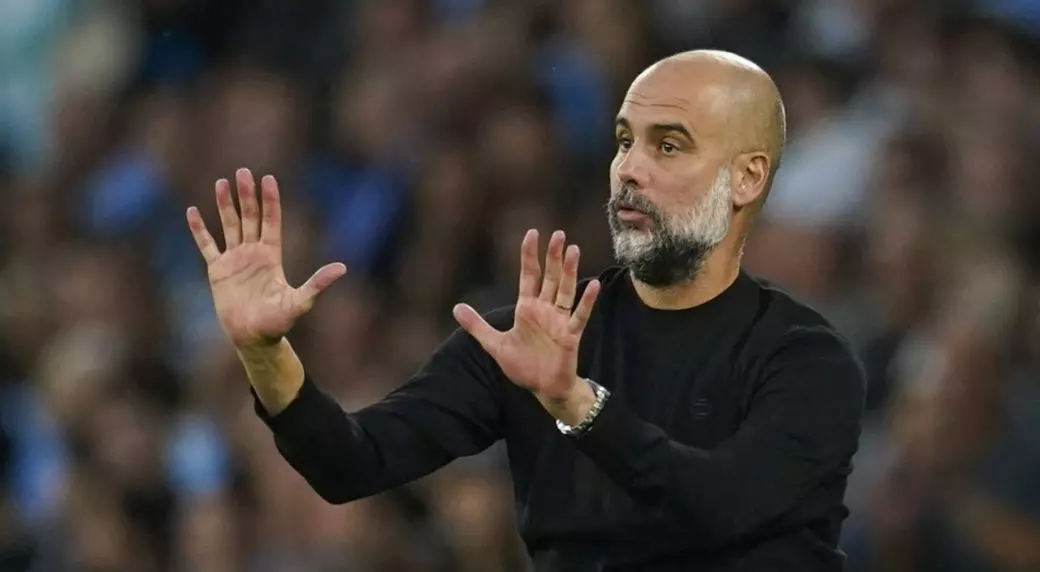
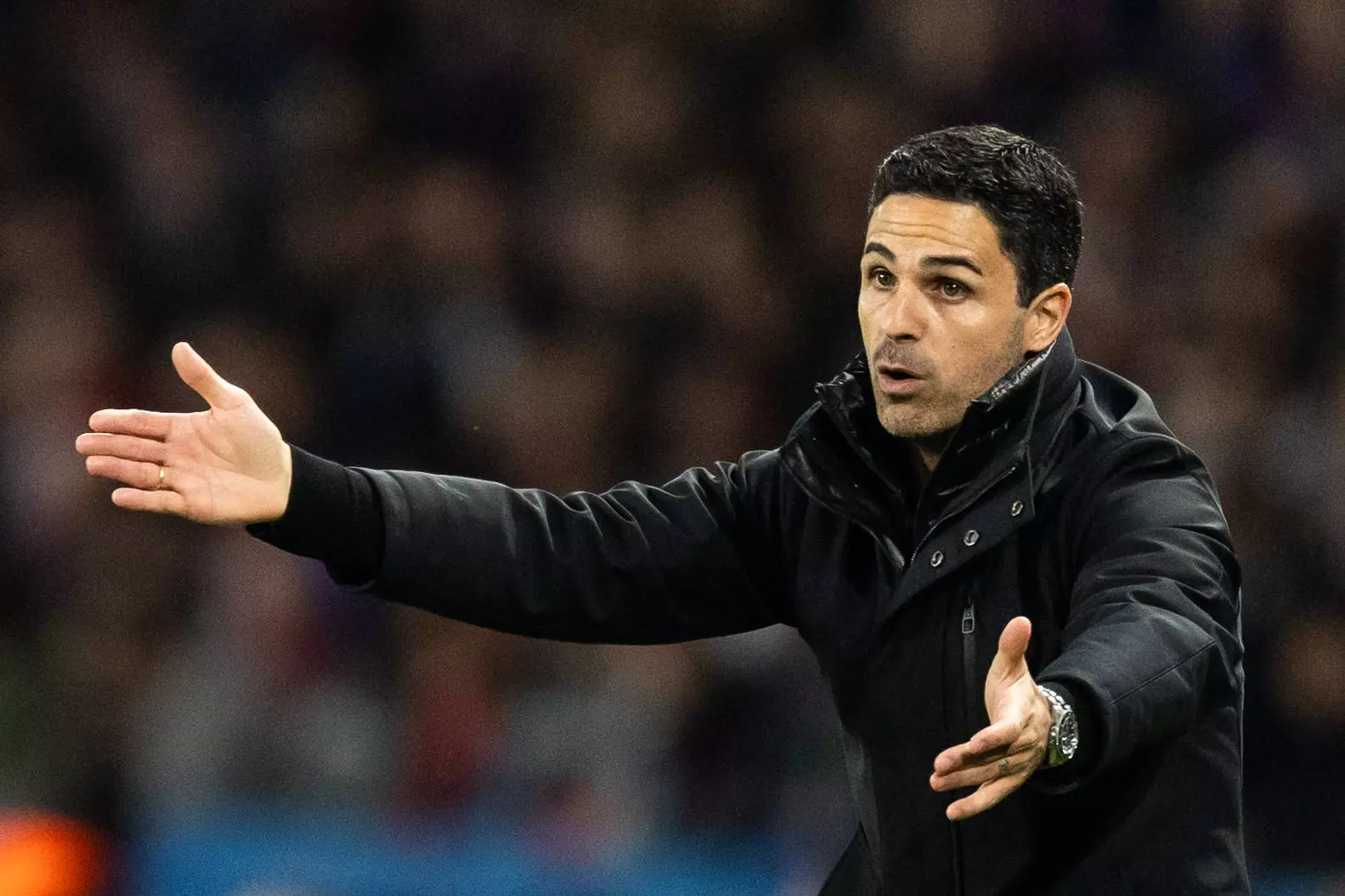
The question is not whether Arsenal belong in a Champions League final — it is whether Mikel Arteta’s structure can finally absorb Luis Enrique’s chaos.
With the date between the two sides looming, can Arsenal deliver a knockout blow to Paris Saint-Germain, or will the reigning UEFA Champions League winners have too much power for the Gunners to handle?
Arsenal’s European Redemption: A Night Two Decades In The Making
There is a peculiar quality to anticipation that has been building for 20 years. Arsenal supporters know exactly where they were in May 2006, when Jens Lehmann was sent off inside 18 minutes, and a 10-man team held Barcelona until Samuel Eto’o and Juliano Belletti broke North London hearts inside the final quarter of an hour.
That wound has never fully closed.
Now, on May 30 at the Puskás Aréna in Budapest, Arsenal face Paris Saint-Germain in what is, for the club’s supporters, far more than a football match.
It is a chance to complete what began when Mikel Arteta took over a fractured squad in December 2019 and spent the next five years rebuilding from the foundations upward.
Getting here was not elegant. Bukayo Saka’s goal just before half-time in the UEFA Champions League semi-final second leg against Atlético Madrid, converting from a Leandro Trossard cross after Viktor Gyökeres had unsettled the Colchoneros defence, was a scrappy, anxious affair.
Arsenal did not play beautifully, but they played well enough, and they held firm, with Gabriel producing a crucial intervention in the second half that preserved the 1-0 lead and a 2-1 aggregate passage to Budapest.
That moment, and the 20-odd minutes of Atlético pressure that preceded it, is probably the most useful template for how this final might be decided.
Arsenal’s European Redemption: Two Teams, Two Completely Different Problems
PSG have scored 44 goals across their 14 UEFA Champions League appearances this season. Arsenal have conceded six in the same number of matches. No other side comes close to either figure.
Luis Enrique’s front line has the kind of pace and technical quality that can pull any defensive structure apart. Ousmane Dembélé has bagged eight goals in 14 UEFA Champions League appearances, including three across both legs of the semi-final against Bayern Munich.
Khvicha Kvaratskhelia spent those same two matches systematically pulling Bayern’s right flank out of position. Désiré Doué has added a third threat that the side did not lean on this heavily 12 months ago.
Arsenal’s answer is structural. William Saliba and Gabriel are the most settled centre-back partnership in the competition, completing 33 clearances and 14 blocks between them across the knockout rounds.
Declan Rice screens in front, absorbing pressure and recycling possession. The defensive unit has not been breached without good reason at any point this campaign.
The tactical battle comes down to something quite specific: can Arsenal break PSG’s first press cleanly enough to make their own attack count?
Arteta’s side can play through pressure with short combinations and go direct when the press is high and aggressive. Gabriel Martinelli’s runs in behind are the primary mechanism for turning PSG’s aggression against them. When PSG commit forward, the space behind opens quickly, and Martinelli’s pace is a serious threat in that moment.
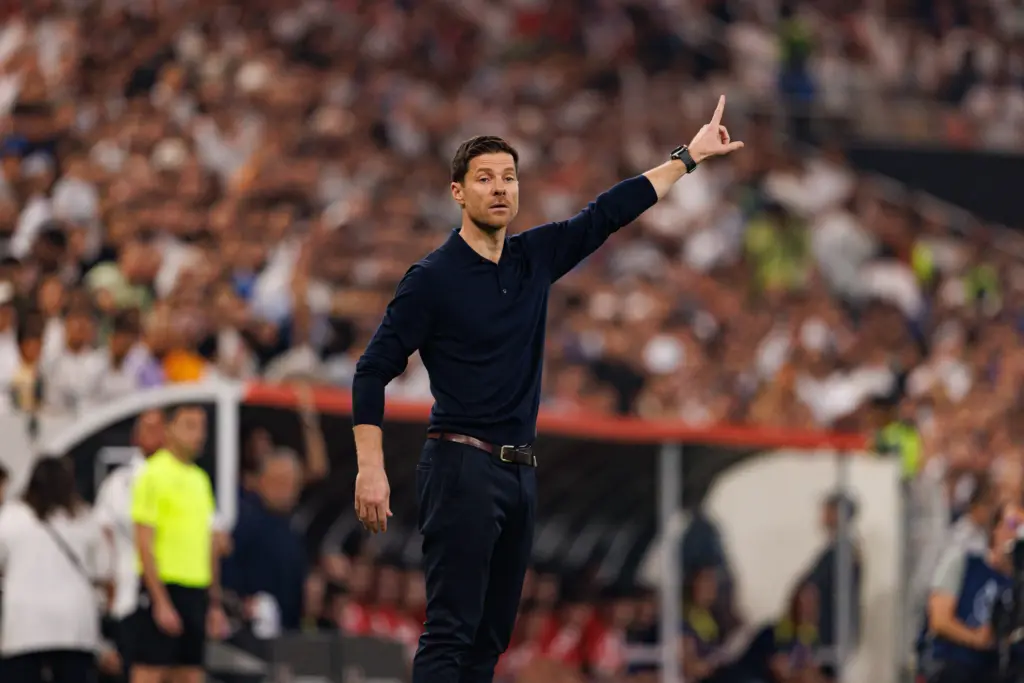
YOU MAY ALSO LIKE: Xabi Alonso As Chelsea’s New Manager: The Three Blues Stars Who Could Benefit Most From His System
Arsenal’s European Redemption: The Saka Question And Why Budapest Feels Different
Bukayo Saka’s individual matchup with Nuno Mendes on the left side of PSG’s defence is the final’s most compelling subplot.
Last season, PSG knocked Arsenal out in the UEFA Champions League semi-final stage. Mendes dominated that tie, and Saka had two anonymous performances against the Portuguese full-back, and in the post-mortem that followed, the conclusion was straightforward: if Mendes wins the duel again in Budapest, Arsenal’s primary attacking route is shut down.
The counter-argument is what happened in the second leg against Atlético. Saka was not at his brightest for much of that match, but he still produced the moment that mattered. His goal in the first leg against Los Rojiblancos, his composure under Mendes’s pressure across two semi-finals last season, Saka has spent a year processing what went wrong. He arrives in Budapest with a point to prove and the motivation to prove it.
Speaking to Bookies.com, home of independent expert-tested reviews of the top-rated casino sites in the UK and licensed online casino operators, one supporter said: “Saka has been carrying the weight of those PSG games all summer. The performances against Atlético showed he can produce when the stakes are highest — not just when the game is comfortable.”
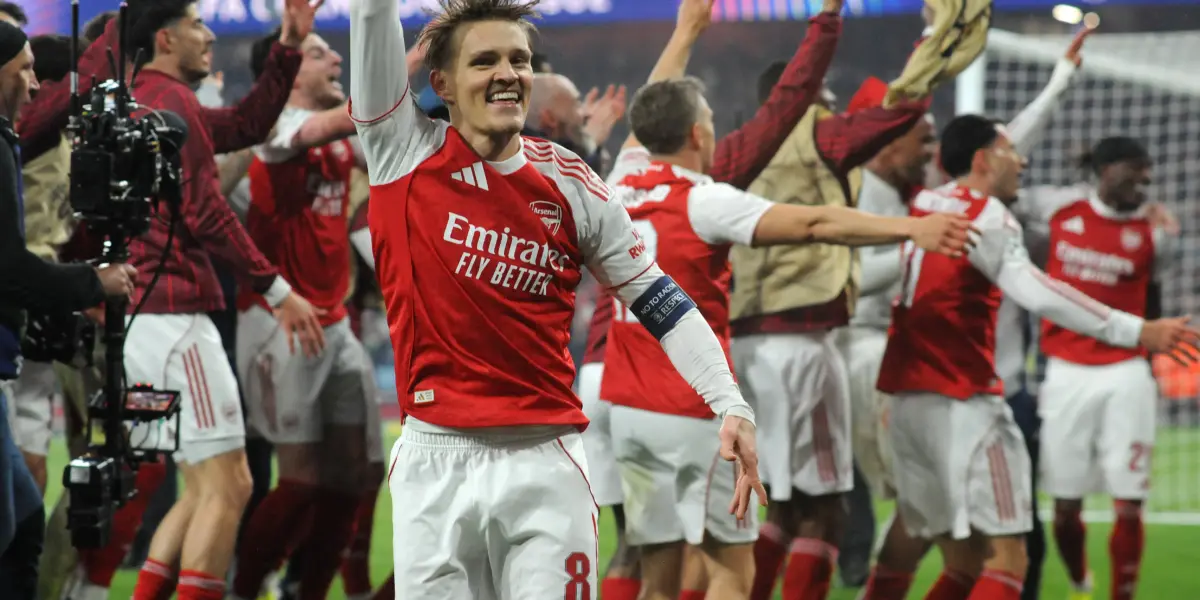
Martin Odegaard’s fitness is the other variable Arteta will be monitoring. Arsenal’s captain has had an interrupted season, but his ability to play through tight defensive spaces is qualitatively different from anyone else in the squad. If he is available and sharp, Arsenal’s midfield ball-retention improves significantly. If not, Arteta’s options become more functional and less inventive.
Arsenal’s European Redemption: Set Pieces, Pressure And Why This Is Not A Foregone Conclusion
Pre-match assessments price PSG as moderate favourites — around a 46 per cent chance of victory, compared with roughly 30 per cent for Arsenal, with the remainder attributable to extra time and penalties. The Opta Analyst supercomputer, interestingly, puts Arsenal at 54.6 per cent, which reflects how difficult the Gunners’ defensive structure makes life for any attack, however talented.
Arsenal have scored more headed goals from set-pieces in this UEFA Champions League campaign than any other team. PSG have shown vulnerabilities from dead-ball situations across the knockout rounds. In a tight final, and with most encounters decided by the smallest of margins, a corner or free kick in a decisive moment could matter enormously.
For PSG, the objective is to impose their tempo early, press high from the first whistle, and get the goal that forces Arsenal to open up. For Arsenal, the objective is to absorb that pressure, survive the opening half-hour, and impose themselves through transitions and set pieces as the game progresses. The first goal, in this specific context, is likely to be decisive.
Budapest is hosting its first UEFA Champions League final, with the Puskás Aréna seating over 67,000. Thousands of red-and-white travelling supporters will make the journey to Hungary carrying two decades of institutional hurt and the quiet, cautious belief that this generation of Arsenal players might finally be the one to end it.
Whether they do or not, the journey has already reframed what Arteta’s project can achieve. What happens on May 30 will define how it is remembered.
Main Photo
Credit: IMAGO /Colorsport