
The most hated club in the English Premier League has always been a debate, but over the past few weeks, this may have finally been settled.
Sunday’s Chelsea vs Manchester City clash delivered more than just implications for the Premier League title race as social media polls and YouTube interviews among fans exposed a mind-blowing division within the fanbase.
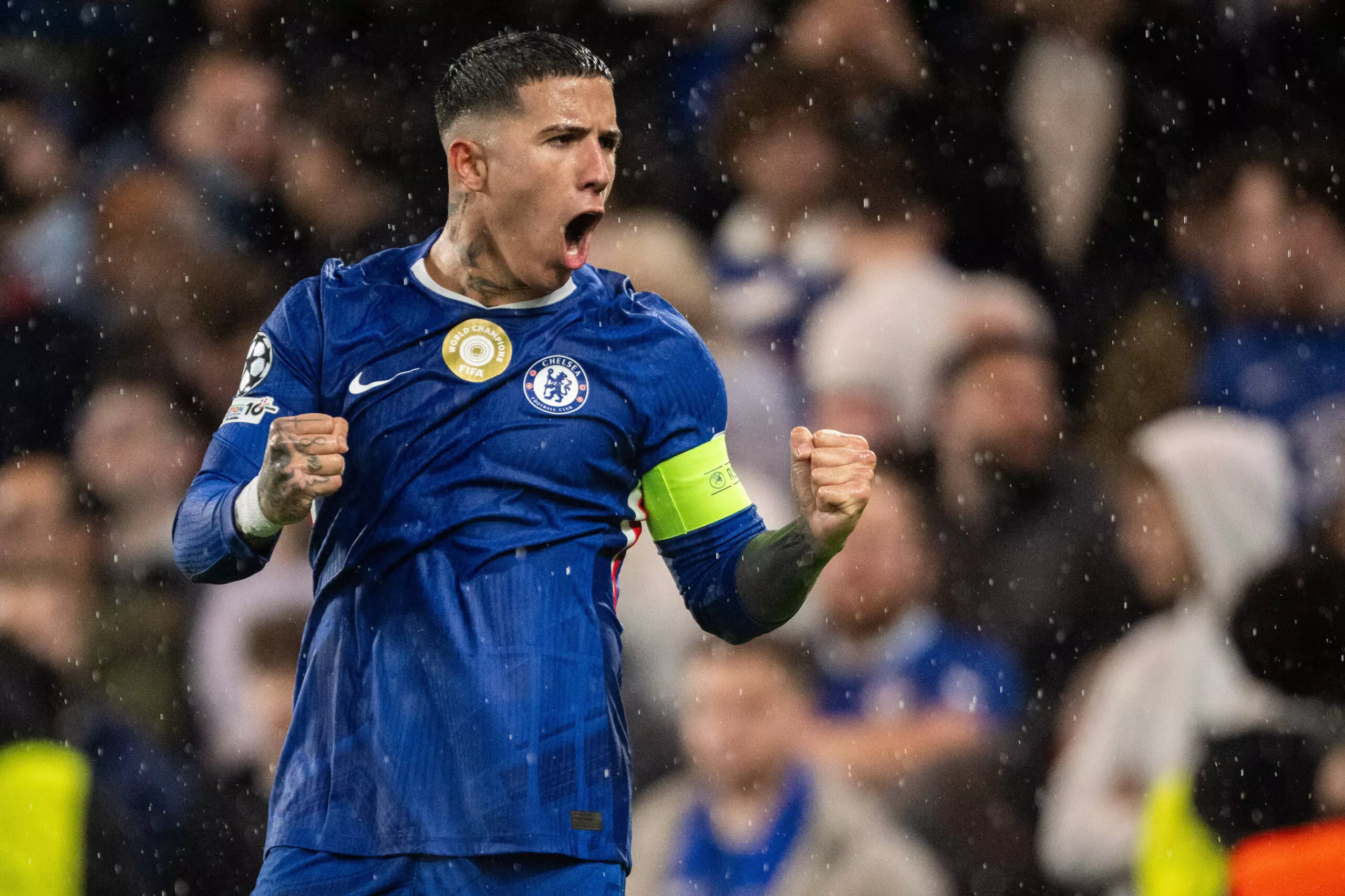
In a moment that felt almost surreal, a significant portion of Chelsea supporters openly backed Manchester City in the tie — actively hoping their own team would lose at home.
After the game, most Chelsea fans accepted the defeat gladly. This wasn’t ironic or performative. It was deliberate, and the motivation? Arsenal.
Following the Gunners’ shocking 2–1 home defeat to Bournemouth just a day earlier, the title race narrative shifted.
Rather than focusing on their own club’s push for a Champions League spot — which a win over City would have significantly strengthened — many Chelsea fans were more invested in seeing Arsenal’s nine-point lead cut down, even if it came at their own expense.
The idea of Arsenal moving closer to ending their two-decade wait for a league title seemed, for some, far more unbearable than the consequences of their own team dropping points and missing next season’s UEFA Champions League campaign.
This wasn’t just rivalry. It bordered on something deeper — something more emotional, more instinctive. The willingness to accept self-sabotage purely to see another club fail raises a bigger question: Are Arsenal currently the most hated club in the English Premier League?
From Title Contenders to Public Enemy: How Arsenal Became The Most Hated Club In The English Premier League
Fan1: By the way, are you hoping we lose or win today?
Fan2: LOSE!!!
Fan1: Same
A conversation between two Blues supporters before the Chelsea vs Manchester City game, as they prefer Pep Guardiola winning his seventh trophy in 10 years, than Mikel Arteta leading the Gunners to their first in 22 years.
On the surface, it just doesn’t make sense. This Arsenal team in recent years has come close to clinching the title, but has fallen short — finishing second three times in a row, often in painful fashion.
Traditionally, that kind of collapse attracts sympathy — the sort often seen from fans across Europe — but not in England.
Normally, a young squad, an ambitious manager, and a long-suffering fanbase are the perfect ground for a compelling underdog story.
However, in Arsenal’s case, that narrative doesn’t quite land — with fans, especially Chelsea supporters, seemingly wanting that suffering to continue rather than end, which was evident by the recent Chelsea vs Manchester City clash.
Arsenal: Style, Attitude And Ego Behind Their Most Hated Club In The English Premier League Tag
From their style of play that, in the eyes of critics, doesn’t quite resemble that of champions, to a fanbase often described as overly vocal and convinced they are still England’s biggest club despite a league title drought lasting decades, Arsenal have become increasingly unlikable.
Their players have also contributed to the most hated club in the English Premier League tag, with several incidents that have shown disrespect toward opponents.
An example is when Arsenal defender Jurrien Timber was seen telling then-Chelsea coach Enzo Maresca to “try harder” after a defeat in a London derby — an attitude that some believe reflects a broader edge and arrogance within the squad.
Add to that the limited silverware since Mikel Arteta’s takeover — just the FA Cup and two Community Shields — and a growing sense of inflated ego and confidence, as if they had already won everything in the game.
That mentality was highlighted when Manchester City striker Erling Haaland told the Arsenal head coach to “stay humble,” further fueling the idea that the Gunners’ attitude and achievements don’t align, making it easier to understand why many view them as the most hated club in the English Premier League.
There’s also the psychological aspect. After pushing for the title in consecutive seasons, Arsenal have become a constant — always there, always threatening, and familiarity, in football rivalry, often breeds contempt rather than admiration.
Also, the rise of social media narratives plays a part, as banter now travels faster and hits harder, and you begin to understand why opposition fans are increasingly unified in one desire: to see Arsenal fall short again.
YOU MAY ALSO LIKE: Manchester United Manager Search: Two Elite Candidates To Lead The New Era At Old Trafford
The Most Hated Club In The English Premier League — What Could Be Driving This Sentiment?
It could be fatigue from the constant Arsenal title talk, or the fear of what their eventual success might represent. It could also mean that Arsenal, for the first time in years, matter enough again to be hated.
Before Arsène Wenger’s departure as Arsenal’s head coach, the club were widely known for consistently finishing fourth in the league and regularly qualifying for the Champions League. However, after his exit, several managers struggled to maintain stability or return Arsenal to that level of consistency.
Even into Mikel Arteta’s early years, there were doubts, with the team going through inconsistency and not being taken entirely seriously by many observers.
However, in recent seasons, Arsenal have re-emerged as genuine title challengers, repeatedly coming close to winning the league and restoring a sense that they now truly matter at the top end of English football.
However, that resurgence has also intensified scrutiny. For some rival fans, the fear is that if Arsenal eventually win the league, the reaction from their supporters will be overwhelming — elevating the team to the status of “best in the world,” with players and Arteta himself placed among the greats of the game, despite no major league title success in years.
It is this growing confidence and comparison culture, especially during their recent title pushes and near misses, that has fuelled frustration among opposition fans. As a result, Arsenal are no longer viewed with neutrality or indifference.
Instead, attention has shifted fully toward them — and for many, it is now about watching and praying for their downfall.
If rival fans are willing to root against their own clubs just to keep Arsenal from lifting the title, then perhaps the conversation about who the most hated club in the English Premier League is has ended.
Title Race On A Knife Edge: Arsenal, Manchester City And The Defining April Clash
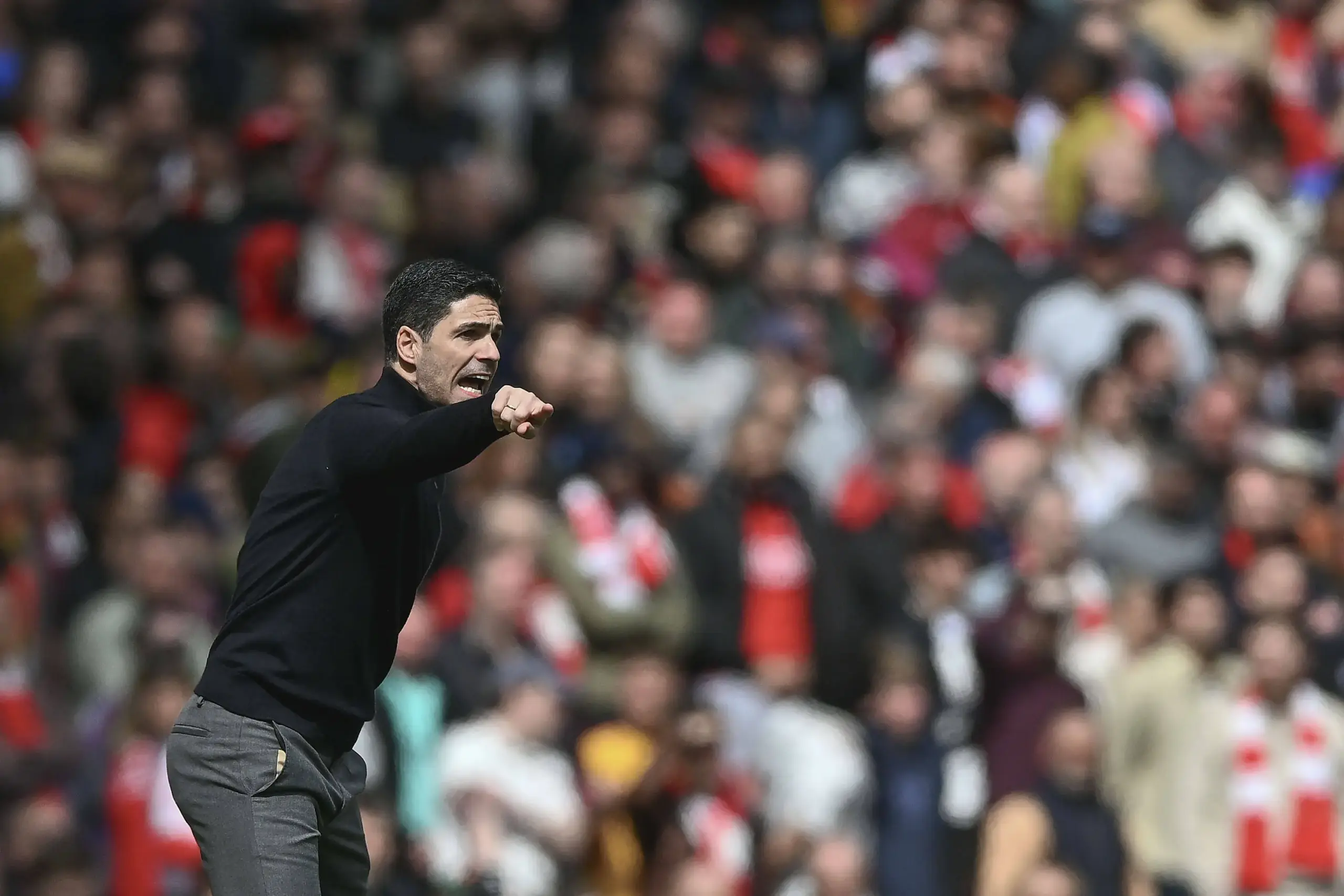
If Mikel Arteta can guide his side through maximum points in a month often labelled “Arsenal’s April curse,” the Gunners could yet turn the narrative on its head — not just by strengthening their title charge, but by redefining what it means to be seen as the most hated club in the English Premier League.
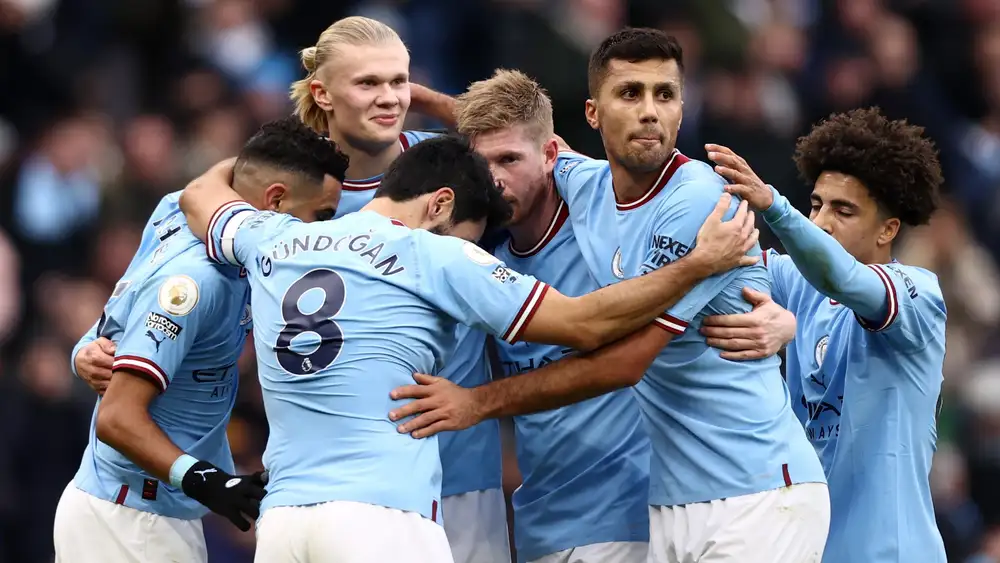
City’s victory over Chelsea has already trimmed the gap from nine points to six, setting up a blockbuster clash between the two sides on April 19.
Manchester City vs Arsenal at the Etihad is a fixture that could ultimately shape where the title lands in May. A win for Arsenal would restore the cushion to six points, while a City victory would reduce it to just three, with a game in hand.
With both teams facing strong sides as the season comes to a close, in a race this tight, the margin for error is almost nonexistent.
Next for the Gunners is the second-leg clash of the UEFA Champions League, where they take on Sporting Lisbon.
Main Photo
Credit: IMAGO /Xinhua
Recording Date: 11.04.2026