

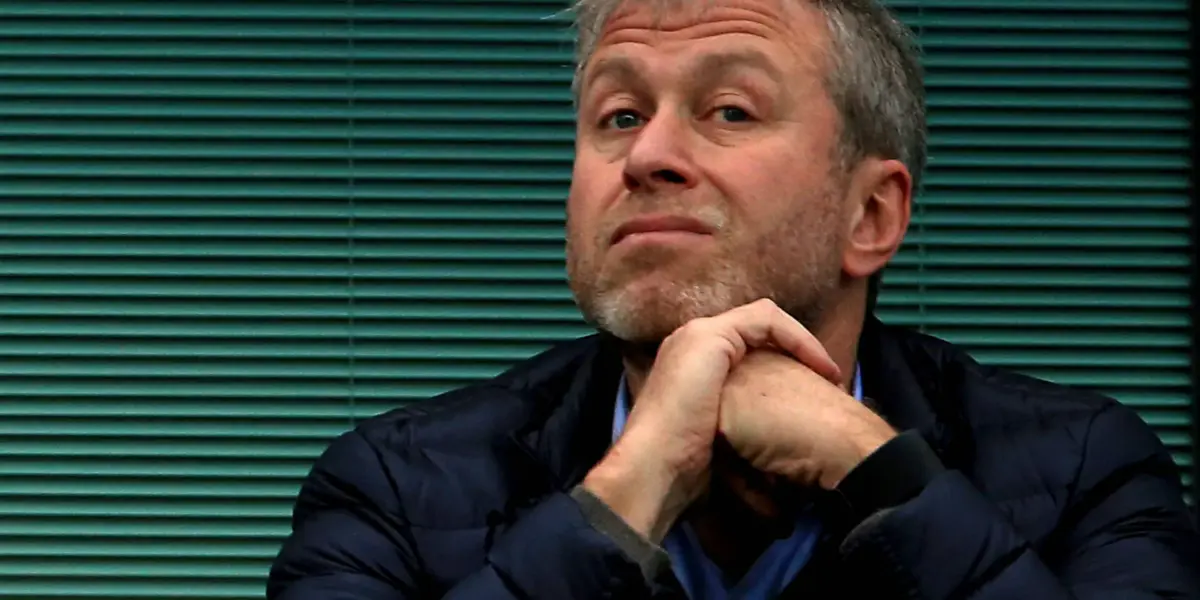
Chelsea have been hit with a £10m fine and a suspended transfer ban after admitting dozens of historical rule breaches dating back to the Roman Abramovich era.
The Football Association confirmed the fine and Chelsea transfer ban sanctions on Friday, July 31, following an independent appeal process that replaced an earlier suspended points deduction.
The Sanctions Imposed on Chelsea
The club admitted 74 breaches of FA regulations covering payments to agents, intermediaries and third-party involvement in players. New owners Todd Boehly and Clearlake Capital self-reported the issues in 2022 while completing their takeover from Abramovich.
The breaches mainly involve secret payments totalling around £47m made between 2011 and 2018 on a string of Chelsea transfers.
An independent regulatory commission had originally imposed a six-point deduction suspended until the end of June 2027, alongside the fine.
Chelsea appealed that decision.
The appeal board set aside the points penalty and instead imposed a suspended Chelsea transfer ban covering two transfer windows. The Chelsea £10m fine itself was not appealed and will be invested in grassroots football.
The FA said the fine was an appropriate penalty to punish the club, deter similar misconduct and protect the integrity of the game.
It noted the club’s “exceptional and unprecedented” level of co-operation after self-reporting, which heavily reduced the original proposed fine. Had Chelsea not come forward, the commission said, the breaches were unlikely to have been discovered.
Chelsea transfers linked to the payments include deals involving Eden Hazard, Samuel Eto’o, Willian, Ramires, David Luiz, Andre Schurrle and Nemanja Matic, among others whose names were redacted.
There is no suggestion of any wrongdoing by the players themselves. The FA is continuing to investigate individual misconduct arising from the case.
Chelsea had already settled related matters with the Premier League and UEFA. In March, the Premier League handed the club a £10.75m fine (reduced for co-operation) and a suspended one-year transfer ban over the same secret agent payments and separate youth registration issues.
UEFA had earlier fined Chelsea £8.64m for incomplete financial reporting under the previous ownership.
A Chelsea statement said the club was pleased a final decision had been reached:
“In 2022, the club self-reported potential historical rule breaches to all applicable regulators. Following that report, it has worked openly and transparently with all regulators, including voluntarily and proactively disclosing many thousands of documents.
“As previously announced, settlement agreements have been entered into with UEFA and the Premier League concerning the same self-reported regulatory matters.
“The club is pleased to confirm that, now The FA process has concluded, this brings all regulatory proceedings against the club to a close.
“We are grateful to UEFA, the Premier League and The FA for their engagement with the club throughout these processes.”
What the Chelsea Transfer Ban Means in Practice
The suspended Chelsea transfer ban means the club can continue to buy and register players as normal unless it commits further breaches during the probation period.
If triggered, the ban would stop Chelsea registering new players for two windows. That is a significant threat given the club’s recent heavy spending under the new ownership, but for now it remains theoretical.
The outcome ends years of regulatory uncertainty that began when Boehly’s consortium took control in May 2022 after Abramovich was forced to sell following Russia’s invasion of Ukraine.
The new regime has repeatedly stressed that the problems belonged to the previous era and that it chose full transparency from day one.
YOU MAY ALSO LIKE: Xabi Alonso Tactics and the Chelsea Rebuild Plan

The Impact
For Chelsea, the financial hit is manageable. A £10m fine, even on top of previous Premier League and UEFA penalties, is small relative to the club’s wage bill and recent transfer outlay.
Avoiding an active points deduction removes any immediate threat to their Premier League standing.
The suspended Chelsea transfer ban keeps a degree of pressure on the hierarchy to stay clean, but it does not restrict recruitment this summer or next.
Rival fans and some observers will argue the club has escaped relatively lightly.
Clubs that have received active points deductions in recent seasons may question why Chelsea’s punishment stayed largely financial and suspended when the original commission had considered a points hit.
Supporters of the current ownership will counter that they inherited the mess, reported it themselves, co-operated fully, and have already paid fines to three different bodies for the same set of historical failings.
The case also highlights ongoing questions about agent regulation and third-party involvement in English football. Secret payments on this scale over several years under one of the Premier League’s most high-profile ownerships raise awkward issues about oversight at the time.
The FA’s decision to continue investigating individuals suggests further action may still come.
In practical terms, the Chelsea transfer ban hanging over the club is the main remaining consequence.
As long as the club avoids further breaches, it will never take effect. That leaves Chelsea free to continue building under Boehly and Clearlake, with the historical Abramovich-era issues now formally closed by the FA, Premier League and UEFA.
The Chelsea £10m fine will at least go into grassroots football rather than disappearing into general funds.
The episode closes a long chapter that began with the 2022 takeover. The club can now focus on the pitch rather than the courtroom, albeit with a clear reminder that any fresh regulatory problems could still activate that suspended Chelsea transfer ban.