
Brazilian football is facing another major financial and cultural crossroads.
Just days after the CBF and Brasileirão clubs approved a plan to reduce the number of foreign players allowed in Brazilian football by 2030, President Luiz Inácio Lula da Silva, currently facing re-election at the ballot box in 2026, announced a ban on online betting websites and apps in Brazil. The measure takes immediate effect but must be approved by Congress within 120 days to remain in force.
This government action will visibly impact Brazilian football.
Brazil’s Government Takes Aim at Online Betting
The government argues online betting has become a public health and family finance problem. Finance Minister Dario Durigan called it a serious public health issue per Reuters, while the Finance Ministry estimates Brazilians spend around 60 billion reais ($11.57 billion) every year on online betting, much of it on sports.
The government also says recent surveys show roughly three-quarters of Brazilians support a complete ban. Speaking at a campaign rally, President Lula said: “Yesterday I made a decision: I ended the Bets in Brazil. Whoever wants to make money, let them find an honest way to earn it. But not by killing the poor people. By indebting the poor people. Selling lies. It’s a disease called gambling addiction: the vice of gambling.”
The other side of the argument is from the nation’s football clubs.
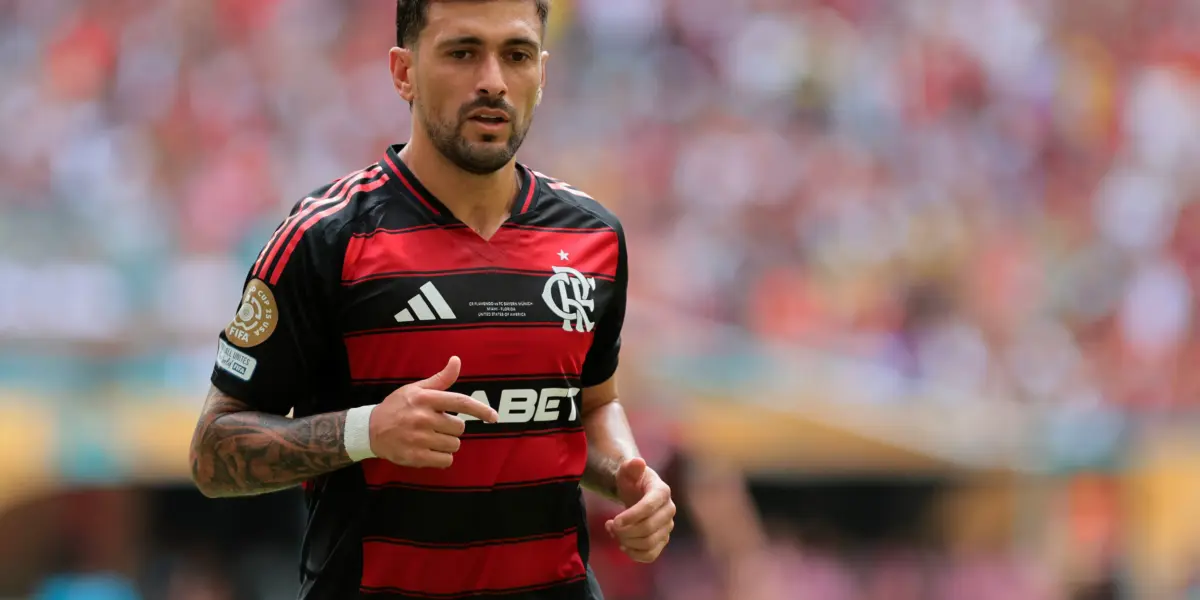
Betting companies have become deeply entrenched in Brazilian football, during its modern rise. In 2025, every Brasileirão Serie A club had some form of betting sponsorship, with “90% featuring a betting company as its main shirt sponsor”, per Footy Headlines, a website that tracks football kits and equipment globally. The investment of these companies is significant. Looking ahead to the 2027 season, if the law remains in place, team kits and stadiums in Brazilian football will look very different, impacting manufacturers like Puma as well.
Brazilian clubs are not operating in the financial world of the Champions League. Even some of the biggest clubs in South America have struggled with massive debts, delayed salaries, or bankruptcy. For clubs outside Brazil’s wealthiest, sponsorship revenue can help pay the salaries of footballers, coaches, trainers, medical staff and everyone else who keeps a professional club alive.
Industry estimates cited by football and betting groups put the value of betting sponsorships across Brazilian football at around 1 billion reais, per Brazilian news outlet Globo.
That is not money that can simply disappear without consequences.
The Human Cost of Widespread Gambling
At the same time, it would be impossible to discuss this issue honestly without acknowledging why governments, and many citizens are increasingly uncomfortable with the betting industry’s relationship with sport.
Sports betting is unavoidable, no matter how you consume sports. It is advertised on jerseys, at stadiums, on tv and radio broadcasts and social media. For millions of fans, betting can be entertainment and rivalry. For others, it can become an addiction that leaves people, and their families, dealing with debt to the point of financial and personal ruin.
This dynamic creates an uncomfortable contradiction for football.
The same industry providing clubs with millions of dollars in sponsorship revenue can also be associated with some of the game’s most difficult problems, including compulsive gambling, match-fixing concerns and the pressure placed on players and fans by an increasingly betting-focused sports culture. Players frequently face violent threats from problem gamblers.
The debate is not limited to Brazil. The United States has rapidly expanded legal sports betting, while North American professional leagues like Major League Baseball and the NBA have developed partnerships with the gambling industry. In England, meanwhile, Premier League clubs collectively agreed to remove gambling sponsorship from the front of matchday shirts.
Brazil is taking a much more dramatic step, and from a far less stable financial position than the Premier League.
What Happens to the Brasileirao if the Betting Ban Remains?

Brazilian clubs have already pushed back. Gremio had just announced a gambling sponsor, a mere two days before Lula’s ban.
Clubs like Brazil’s largest, Flamengo, argue eliminating the regulated market will not eliminate betting. Instead, they warn that bettors could move toward unlicensed websites, where there are “fewer protections and less government oversight.”
Their concern is straightforward: if legal betting disappears, so does a significant source of football revenue. By some estimates, a third of club revenue in 2025, per UOL.
The clubs have also argued that betting investment has helped Brazilian football reach its current position, including its dominance of the Copa Libertadores and Copa Sudamericana. Brazilian clubs have spent heavily on players, infrastructure and coaching, and sponsorship money is a major part of the financial ecosystem.
But there is another question worth asking.
If Brazil eliminates betting sponsorships while other South American leagues continue to accept the money, Brazilian clubs could find themselves at a financial disadvantage.
Major clubs elsewhere in the Americas, like River Plate, Boca Juniors, Chivas, Club America, Colo-Colo, America de Cali, Atletico Nacional, Barcelona SC, and Universitario, already feature betting companies prominently on their shirts and in commercial activations, meaning the money spent in Brazil will not necessarily disappear from football—it could simply move to another country.
This in a world where the squad value of Brazilian top division clubs can be north of 90 million Euros, 10x larger than clubs in Chile, Colombia or Ecuador.
That creates a difficult choice. Brazil can decide the social cost of legal gambling has become too high and accept the financial consequences for its football clubs. Or it can maintain a regulated betting market and attempt to “protect” fans and vulnerable gamblers while preserving an important source of sporting revenue to keep the league the strongest on the continent.
Neither side can pretend their point of view is without consequences, and Brazil arguably has the most to lose by removing gambling sponsors from their football.
Global Sport Tries to Address Concerns Around Gambling
The immediate battle will now move into democratic politics and the courts. Lula’s government will have to defend the measure through Congress and at the ballot box, while Brazilian clubs and the betting industry are preparing their own responses.
But even after the legal fight is settled, the cultural argument will remain.
How much gambling should be part of sport? How much advertising is too much? Can football accept money from an industry that some supporters say is causing serious harm, And if that money disappears, who replaces it?
Those are not questions unique to Brazil, South America’s largest economy.
They are questions being asked throughout the Americas as football becomes increasingly dependent on commercial partnerships to compete with Europe and to a lesser extent MLS.
Read More: The Copa Libertadores MLS Rumor Mill Is Spinning Again
Brazil is forced to consider whether the cost of the money received from sports betting houses has become too high, and other countries will have to consider if they too, need to take drastic actions.
The Last Word
Brazilian football is entering a period of uncertainty. The foreign-player limit will change how clubs build their squads, while a betting ban would remove one of the game’s most important sources of sponsorship revenue, changing club economics. The arguments on both sides are real: gambling regularly causes devastating harm to families, but the money has also helped sustain clubs and the people who work for them and raise the standard of football in the country.
Brazil’s political and legal battles will determine what happens next, but the larger cultural fight over gambling and sport is only going to continue across the region, and Brazil is just having this debate first, with the most to lose.
Main Photo Credit: Imagn Images via Reuters