

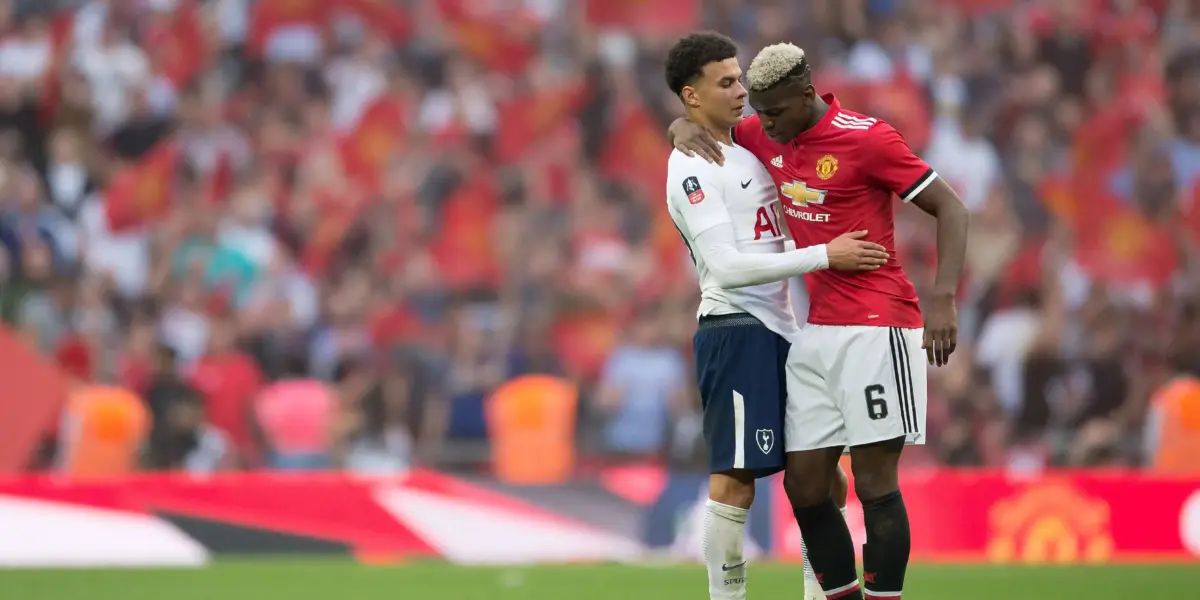
It seems surreal that whenever the conversation turns to fallen generational talents, superstar players like Dele Alli and Paul Pogba are mentioned as cautionary tales of modern football. In their prime, these players possessed the kind of ability that made fans dream, pundits predict greatness, and opponents fear what they might do next. In their respective ways, both represented the future of the sport: young, fearless, technically gifted and seemingly destined for greatness.
Yet, years later, their stories have become reminders of how brutally unpredictable a footballer’s career can be. Their journeys also raise important questions about the impact of footballers’ mental health, the pressures of elite competition and the responsibility clubs have to support and protect their players when personal struggles threaten to derail their careers.
Dele Alli’s Career: The Unfinished Story Of One Of Football’s Fallen Generational Talents
After his move from MK Dons to Tottenham Hotspur, Dele Alli’s career was on an upward trajectory. With every passing game, his performances reflected the confidence of a player who believed he belonged among the very best. At just 20, he was already producing numbers that invited comparisons with some of English football’s greatest midfielders, including Paul Scholes, Frank Lampard and Steven Gerrard at the same age.
Dele Alli was more than a goalscoring midfielder; he possessed an instinct for arriving in dangerous positions, while his street-football swagger and fearless approach made him unpredictable. He had a knack for turning ordinary attacking moves into extraordinary moments, improvising even in the tightest of spaces. His performances were not limited to the Premier League, either. Against Europe’s elite, he continued to demonstrate why England had discovered such a special talent.
One of the defining moments of his early career came in Tottenham’s 3–1 UEFA Champions League victory over Real Madrid in November 2017. Dele Alli scored twice against the reigning European champions, demonstrating his ability to influence football’s biggest occasions. By then, he had established himself in the England national team, earned individual honours and become a key figure in Mauricio Pochettino’s ambitious Tottenham side.
At just 21, Dele Alli had already achieved what many professional footballers spend their entire careers chasing. Winning the PFA Young Player of the Year award in consecutive seasons cemented his reputation as one of the most exciting young talents in European football. His trajectory suggested that his best years were still ahead of him, and following an outstanding 2017 campaign with Tottenham, he was named on the 30-man shortlist for the Ballon d’Or.
However, Dele Alli’s career would eventually take a very different and difficult turn, one that would make him a regular name in conversations about fallen generational talents. The confidence, creativity and attacking instincts that had made him one of Europe’s most exciting prospects could not guarantee a smooth journey through professional football. As his performances declined, a more complicated story began to emerge, involving injuries, personal struggles and mental health challenges.
His experience offers an important lesson about fallen generational talents: judging a player’s decline solely by their performances on the pitch can mean overlooking the personal battles taking place away from the cameras and quickly turn a struggling player into another example of wasted talent in football. Behind Dele Alli’s struggles was a human being dealing with challenges that supporters could not always see. His experience reminds us that even the most gifted footballers are not immune to life’s difficulties and highlights why footballers’ mental health deserves far more attention than it receives.
Paul Pogba’s Career: From World Cup Glory To Unfulfilled Potential
Paul Pogba’s career inspired similar expectations to those surrounding Dele Alli, although the Frenchman’s rise was built on a different combination of qualities. A midfield powerhouse with exceptional technical ability, Pogba combined physical dominance with the elegance of a player who seemed to have extra time on the ball. His imposing frame, remarkable vision and ability to dictate the tempo of a game made him one of the most exciting midfielders of his generation.
One of Pogba’s greatest strengths was his ability to drive through midfield, switch play with astonishing precision, escape pressure and produce passes that split defensive lines. He was also capable of spectacular long-range strikes, regularly threatening goal from 20 to 30 yards. During his prime, few players in European football combined his physical presence, technical brilliance and creative vision so effortlessly.
His performances for France at the 2018 FIFA World Cup further cemented his reputation. Pogba scored in the final against Croatia as France secured a 4–2 victory, capping a tournament in which he demonstrated his ability to influence games at the highest level. He was no longer simply a gifted midfielder whose potential generated endless debate; he was a world champion who had helped his country reach the pinnacle of international football.
However, Paul Pogba’s career at club level followed a less consistent trajectory. His return to Manchester United in 2016 for a then-world-record transfer fee of approximately £89 million came with enormous expectations. Having developed into one of Europe’s most exciting midfielders at Juventus, he was expected to become the driving force behind United’s return to dominance. Instead, his second spell at Old Trafford was marked by inconsistent performances, recurring injuries, public scrutiny and a strained relationship with then-manager José Mourinho.
Although Pogba enjoyed notable successes during his six years at Manchester United, winning the Europa League and the EFL Cup in the 2016/2017 campaign, he struggled to establish the sustained consistency many expected from a player of his ability. His departure in 2022 marked the end of a turbulent chapter, and his subsequent return to Juventus brought further injury problems before a doping suspension interrupted his career.
These setbacks complicated the story of a player whose extraordinary talent had once suggested he could dominate European football for years. For a while, the possibilities seemed limitless. Dele Alli had become one of England’s brightest young stars, while Pogba had established himself as a World Cup winner. Although their careers followed different paths, both reached a point where their potential appeared almost boundless.
Their subsequent struggles, however, demonstrated that even exceptional ability cannot guarantee a smooth or successful career. Describing them as fallen generational talents raises a more uncomfortable question: did they fail to fulfil their potential, or does modern football fail to adequately support the people behind its most valuable assets? The experience of former Liverpool goalkeeper Loris Karius offers another perspective on this issue, as he recently opened up about his mental struggles following his disastrous performance in the UEFA Champions League Final against Real Madrid.
YOU MAY ALSO LIKE: UEFA Champions League Matchday 3: Three Key Takeaways As Paris Saint-Germain Beat FC Barcelona
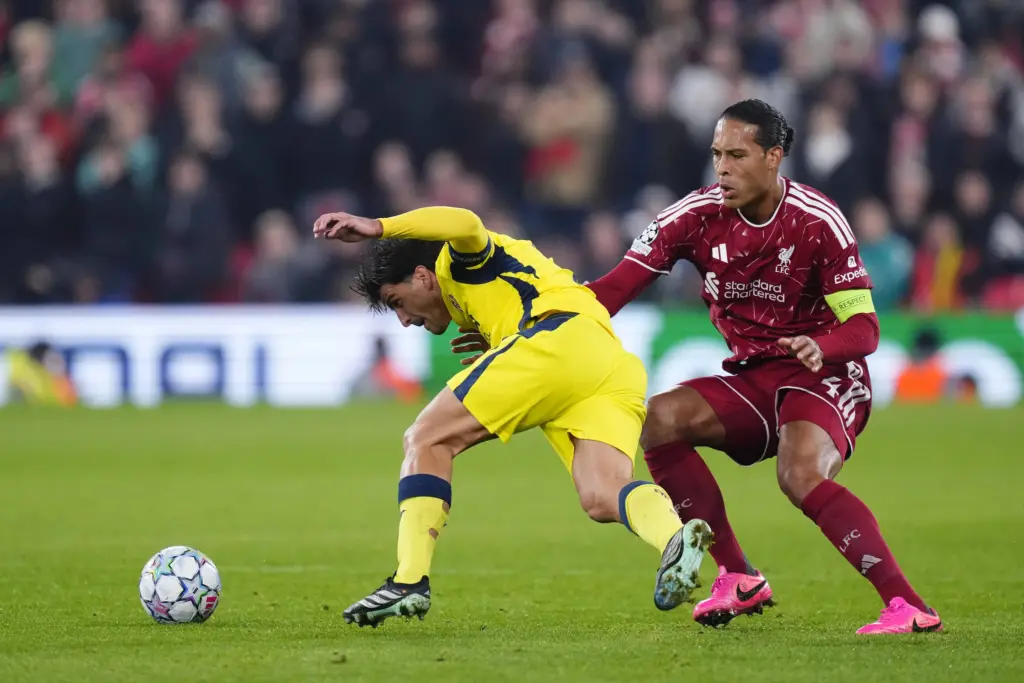
The Structural Mechanics Behind Unfulfilled Talents
The stories of Dele Alli and Paul Pogba are not isolated cases. Instead, they reflect a wider problem within modern football, where young players face excessive pressure to perform like elite athletes, give 100% in every match, avoid mistakes, maintain a positive public image and generate revenue like global brands.
They are often expected to meet these demands from a very young age, with little room for the mistakes and personal struggles that are part of being human. Despite football being the dream career of millions, questions remain about whether the industry does enough to protect its most promising young stars. The overexposure of young footballers is one part of the problem. By their late teens, some players already find themselves surrounded by sponsorship deals, commercial obligations, media appearances and enormous public expectations.
While clubs and agents invest heavily in protecting their financial assets, the emotional well-being of the players themselves can receive less attention. In an industry where performance and profit often take priority, the human being behind the footballer can become an afterthought, raising serious concerns about footballers’ mental health.
Social media has made these pressures even more difficult to escape. In the past, football icons such as Wayne Rooney, Eric Cantona, Ryan Giggs and John Terry faced relentless scrutiny from newspapers and television pundits. Today, however, criticism follows players everywhere. A simple scroll through social media can expose them to a barrage of negative comments, insults and ridicule from millions of fans. Every misplaced pass, poor performance or personal decision can trigger thousands of comments, mocking memes and online attacks.
For young players still developing emotionally, this constant scrutiny can make it increasingly difficult to separate their public image from their private lives. Over time, the pressure to satisfy supporters and silence critics can become another burden they must carry alongside the demands of professional football.
Another issue that appears increasingly difficult for players to control is the demanding football calendar. Players and managers have repeatedly raised concerns about fixture congestion, limited recovery periods and the physical demands of competing across multiple competitions. For young footballers who enter senior football early, the expectation to perform consistently in domestic leagues, cup competitions and international tournaments can take a significant toll.
Recurring injuries, fatigue and insufficient recovery time can affect players’ performances and long-term development. These pressures can also take a toll on some footballers’ mental health, particularly when they have little chance to switch off. Although a demanding schedule does not automatically lead to burnout, the cumulative physical and emotional strain can become difficult to manage without adequate support.
Without proper management, even the brightest prospects can struggle to fulfil the expectations surrounding their potential. The struggles associated with Paul Pogba’s career and Dele Alli’s career remind us that discussions about professional decline must go beyond performances on the pitch. Their experiences highlight the complicated relationship between talent, personal circumstances, injuries and the pressures of life in the public eye.
Ultimately, the story of fallen generational talents is about more than wasted talent in football. For players such as Ansu Fati, Benjamin Mendy and many others, natural ability alone cannot protect them from relentless scrutiny, physical exhaustion or personal and family difficulties.
Clubs must therefore recognise that their responsibility extends beyond developing players and maximising their commercial value. Providing appropriate psychological support, protecting recovery time and creating an environment where young players can seek help without fear of judgement are important steps towards addressing these challenges.
What Fallen Generational Talents Teach Us: The Need For A Cultural Shift
One of the biggest lessons from the stories of Dele Alli and Paul Pogba is the need to change how football interprets a player’s decline. On many occasions, fans and pundits have equated a drop in form with laziness, a lack of commitment or an unwillingness to work hard. However, Dele Alli’s revelations about the difficult experiences he endured growing up demonstrated that struggles away from football can affect what happens on the pitch.
What appears to be apathy or a lack of effort may sometimes be a sign that a player is dealing with challenges the public cannot see. Rather than rushing to label players as fallen generational talents, supporters should recognise that there is often more to their stories than statistics and performances suggest. Football clubs also have a greater responsibility to protect their players. Just as they invest in set-piece coaches, sports science, GPS tracking, nutrition and physical rehabilitation, they should prioritise accessible, proactive psychological support.
Players should feel comfortable discussing personal struggles without fearing that doing so will damage their careers or public image. Addressing footballers’ mental health should not be treated as an emergency measure introduced only when a player reaches breaking point; it should be an integral part of player development from the beginning.
Perhaps most importantly, football needs to redefine what it means to fail. Dele Alli’s career reached extraordinary heights, with individual honours and performances that established him as one of England’s most exciting young talents. Now a free agent, the 30-year-old has refused to let his story be written by others. While waiting for a professional club to take a chance on him, he continues to train behind the scenes, using facilities at clubs such as Tottenham Hotspur and Barnet, and he has also decided to explore live-streaming on Twitch.
Similarly, Paul Pogba’s career included major achievements, most notably winning the World Cup in 2018. Although neither journey unfolded as many expected, describing either player solely through the lens of unfulfilled potential overlooks what they achieved and the challenges they faced along the way.
Extra Time Notes
If football truly wants to protect its next generation of stars, it must invest in their well-being, and in footballers’ mental health in particular, with the same determination it invests in their success on the pitch. The stories of Dele Alli and Paul Pogba remind us that even careers that appear destined for the very top of the game can take unexpected turns. Behind their struggles are human beings dealing with disappointment, immense pressure and personal battles that supporters may never fully understand.
Before labelling another player a case of wasted talent in football, we should take a moment to look beyond their performances and consider the person behind the footballer. Football will continue to produce extraordinary talents, and not every promising career will follow the path supporters imagine. However, the way the sport treats its struggling stars can determine whether they receive the support they need or become another headline about unfulfilled potential, joining the growing list of fallen generational talents.
More Football News
UEFA Champions League Matchday 3: Five Exciting Clashes to Watch


