
Nike football has been a major part of the sport for decades, with the American sportswear giant’s boots, kits and sponsorship agreements helping establish it as one of the biggest brands in the game.
However, several recent developments have raised questions about its position in the market, particularly as rival brands continue to strengthen their presence in football.
From Kylian Mbappe ending his long-standing partnership with the company to PUMA securing new agreements within the English game, Nike has faced some notable changes.
But does this signal a decline in its influence, or is the company simply changing its approach to football?
Nike Football Partnerships Face Growing Competition
One of the more noticeable changes came ahead of the 2025/26 season, when PUMA became the official kit partner of the Professional Game Match Officials Limited (PGMOL).
The agreement means match officials across the Premier League, EFL, National League and Women’s Super League now wear PUMA apparel.
While this is not a direct indication of Nike losing its position among football clubs, it highlights the growing competition between sportswear brands for visibility within the game.
PUMA has also strengthened its wider football presence through its partnerships with clubs, national teams and competitions, while Adidas continues to compete with Nike for some of the biggest sponsorship agreements in the sport.
For Nike football, maintaining its position means competing in an increasingly crowded market, where established rivals and emerging brands are looking to attract both players and supporters.
Nike has traditionally enjoyed a strong presence through its football boots, team kits and individual player sponsorships. However, the changing landscape means it cannot simply rely on its existing reputation to maintain that position.
Kylian Mbappe’s Departure Is Another Setback for Nike Football
Perhaps the most significant development involving Nike came in September 2026, when Kylian Mbappe ended his nearly 20-year partnership with the company to join Swiss sportswear brand On.
The Real Madrid forward had been one of Nike’s most recognisable football ambassadors, having first joined the company in 2006 when he was just nine years old.
His departure is particularly interesting because On is still relatively new to the football market.
The company has traditionally been associated with running and tennis, but it is now looking to expand into football, with plans to launch its first football boots in 2027.
It has also brought former France international Thierry Henry on board as its director of football, highlighting its ambitions to establish itself in the sport.
Having a player of Mbappe’s standing involved in that expansion is a significant statement of intent and could give On an immediate advantage when it comes to attracting attention from football supporters.
For Nike football, losing a player of this profile is notable, particularly given how important individual athletes are to the promotion of football boots and sportswear.
However, his departure is not an isolated case. Spain international Lamine Yamal also joined Adidas back in 2024, adding to the competition for some of football’s most recognisable young talents.
These developments raise questions about whether Nike can continue attracting and retaining the players who have helped build its reputation in football.
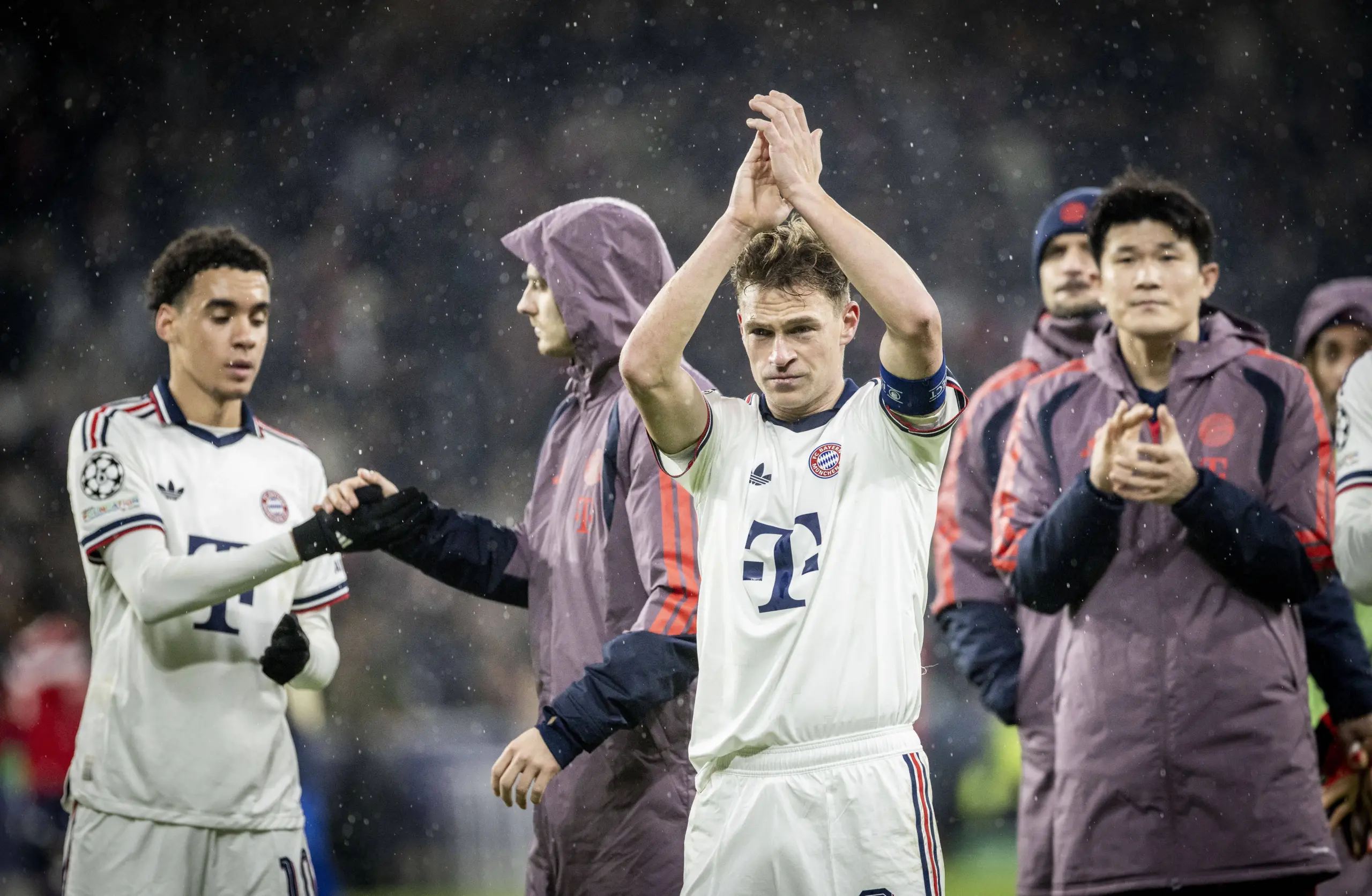
ALSO ON ETT: UEFA Champions League Matchday 5 Day Two: Three Key Takeaways As Bayern Munich Suffer Shock Away Defeat
Is Nike Really Stepping Back From Football?
Despite these developments, it would be premature to suggest that Nike is moving away from football.
In fact, the company’s latest strategic plans suggest quite the opposite.
At its November 2026 Investor Day, Nike introduced its ‘Full Stride Ahead’ strategy, identifying five priority performance sports: running, training, global football, basketball and outdoor.
The company expects these areas, alongside its Sportswear business, to drive more than 90% of its revenue growth through fiscal 2031.
Football’s inclusion is particularly important, as it demonstrates that Nike football remains a key part of the company’s long-term plans.
The company also continues to hold significant partnerships within the sport, including its agreement to supply kits and equipment to the French national team, which has been extended until 2033/34.
This suggests that Nike’s position in football is not necessarily under threat to the extent that some of its recent commercial developments might suggest.
Instead, the bigger question is how it intends to maintain that position while facing increased competition from other brands.
There is also the question of where Nike wants to focus its investment. Its continued involvement in major football partnerships does not necessarily mean every area of its football business will receive the same attention as before.
What Does the Future Hold for Nike Football?
There is no denying that Nike remains one of the most recognisable sportswear brands in football.
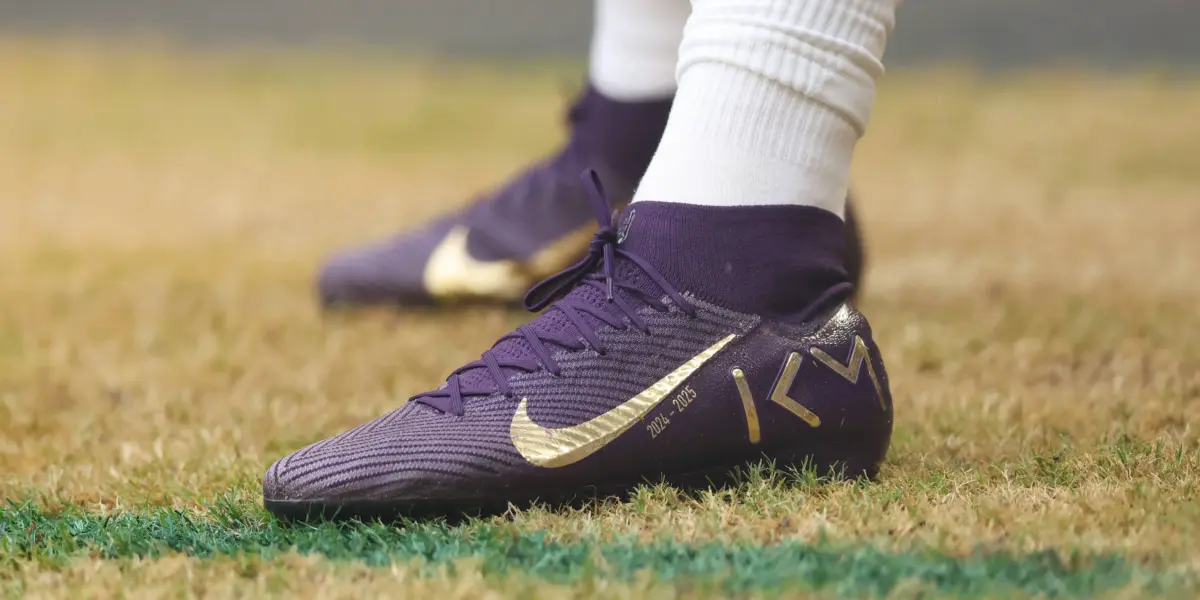
Its Mercurial, Phantom and Tiempo boot ranges continue to feature prominently in the game, while its partnerships with major clubs and national teams give it a significant presence.
However, the sportswear market is constantly changing, and brand recognition alone does not guarantee that a company will maintain its influence.
On’s move into football is particularly worth watching, especially with Mbappe involved in the development of its first boots.
Meanwhile, Adidas and PUMA will continue to compete for players, clubs and supporters, giving Nike plenty to think about.
Extra Time Notes
For Nike football, the challenge will be maintaining its appeal while ensuring its products and partnerships remain relevant to the next generation of players and supporters.
Ultimately, I don’t think the question is whether Nike is leaving football. Its latest strategy makes it clear that the sport remains important to the company.
Rather, it is whether Nike can continue to translate that commitment into the products, partnerships and player relationships needed to remain one of football’s leading sportswear brands.
The next few years could tell us a lot about where it stands.
More Football News
UEFA Champions League Matchday 5 Day One: Three Key Takeaways As Arsenal Suffer Shocking Draw