
For a small country that only gained its independence in 1991, and its national FA (HNS) was not even admitted into FIFA until the following summer, Croatia have a fairly rich and successful short history.
They have finished on the podium at three World Cups, winning the bronze medal in both 1998 and 2022, while even taking the silver medal in 2018.
It may be appealing and perhaps even logical to say that the runner-up team from the World Cup in Russia might be considered Croatia’s golden generation, particularly given that Luka Modrić won the Ballon d’Or that year. But this article will nonetheless go with the 1998 Croatia national football team, because coach Miroslav Blažević’s side played the more positive football than Zlatko Dalić’s results-focused team ever did.
Croatia’s Golden Generation: An Amazing Team of Stars
Croatia’s golden generation had several star players at its disposal at the 1998 World Cup in France: Zvonimir Boban of AC Milan, Davor Šuker of Real Madrid, and Robert Jarni of Real Betis, just to name a few.
But they were missing Lazio star striker Alen Bokšić, who got injured shortly before the tournament.
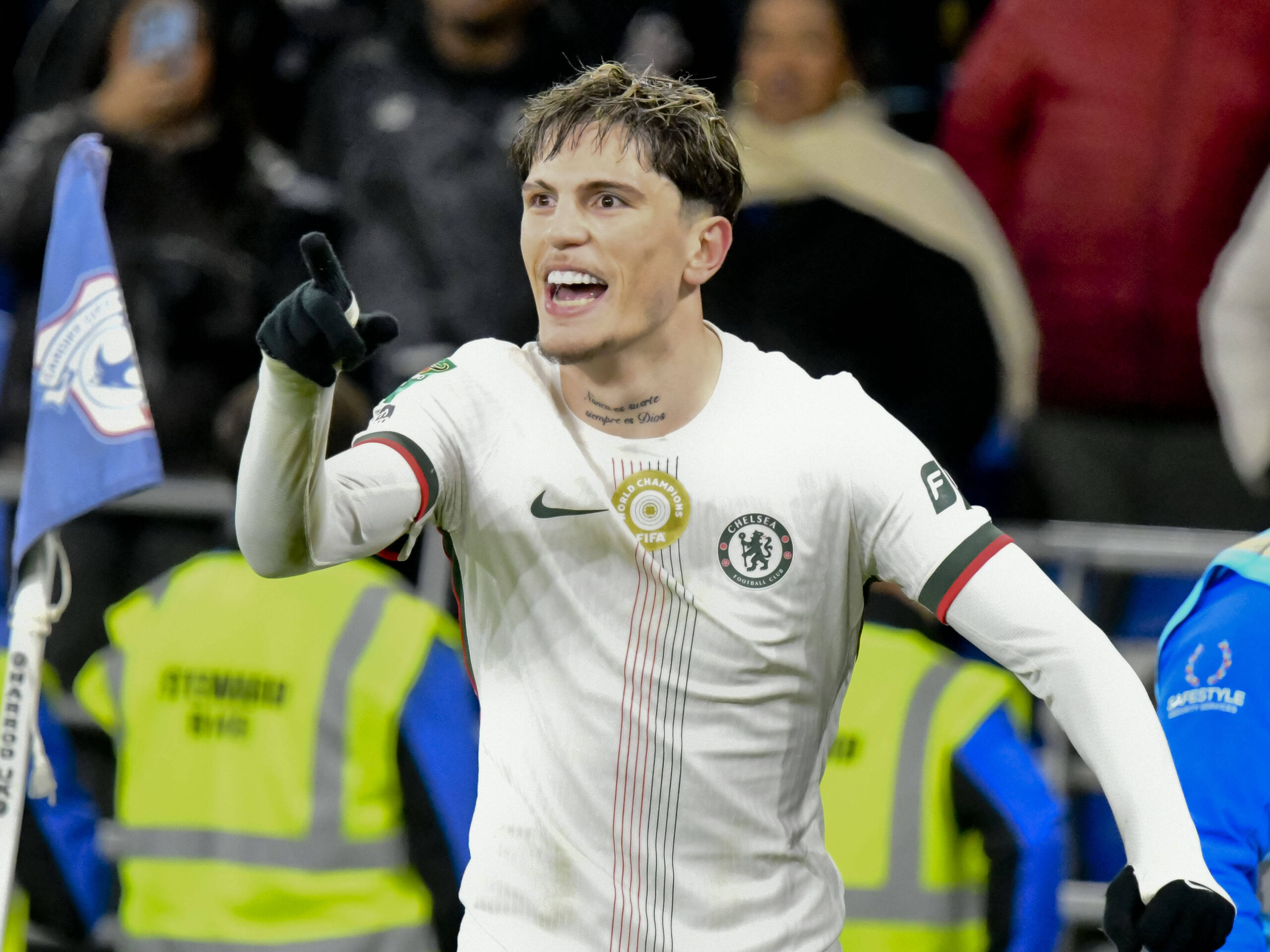
YOU MAY ALSO LIKE: Alejandro Garnacho Brace Shows Quality for Blues 3-1 Win in Cardiff City vs Chelsea Carabao Cup Quarter-Final
Upsetting the Odds at Their First World Cup
Admittedly, the Croatia national football team were somewhat lucky to be drawn into a group that also included two other tournament debutantes in Jamaica and Japan, along with heavyweights Argentina.
Well, before virtually anything could be found online, though, they knew very little about their first two opponents, besides the fact that they had to beat them both to advance.
They did overcome the Reggae Boys 3-1 with goals from Mario Stanić, Robert Prosinečki, as well as Šuker, while Robbie Earle had scored for Jamaica to make it 1-1 just before the break.
In the second match, they narrowly defeated a well-organised Japanese side 1-0 with a Šuker goal about 15 minutes from time.
That was enough to secure them a place in the knockout stages. Thus, they went into the Argentina match with nothing to lose. The Vatreni came up short by a score of 1-0 to the South American giants, scored by Mauricio Pineda.
In the Round of 16, they faced a strong Romanian side and were lucky to come away with the 1-0 victory, courtesy of a Šuker penalty just before the break.
Then came the quarter-final against the reigning European champions, Germany. The resulting 3-0 victory was at the time the greatest win in Croatian football history and arguably remained so until the Vatreni’s World Cup semifinal triumph over England, some 20 years later!
In any case, Jarni, Goran Vlaović, and yet again Šuker were the scorers against the Germans in 1998.
In the semifinals, Croatia’s golden generation were up against the French hosts.
Šuker gave the former the lead just after the break. Then, hardly a minute later, Lilian Thuram scored the equaliser, before also getting the winning goal. Thuram’s brace that night would remain the great defender’s only goals for his country.
Finally, in the Bronze Medal Match, Croatia would face and ultimately defeat the Netherlands 2-1. Prosinečki and Šuker scored the goals on that occasion, while Boudewijn Zenden had scored the 1-1 equaliser for the Dutch.
Davor Šuker won the Golden Boot and the Silver Ball for the best goal scorer and second-best overall player of the tournament.
The 1998 Croatia national football team laid the groundwork for all later success in Croatian football. That is why they were Croatia’s golden generation.
Main Photo
Credit: IMAGO / Buzzi
Recording Date: 11.07.1998