
Filip Jorgensen’s mistake against Paris Saint-Germain gifted the French side a third goal that effectively opened the floodgates, as Chelsea FC went on to concede three times in the final 20 minutes in their 5-2 defeat in the UEFA Champions League Round of 16 first leg.
The issue, however, is that while mistakes are part of the game, many felt the warning signs had already been there with Jorgensen.
Sections of the Chelsea fan base had anticipated such an error, pointing to the mixed impressions he had left during his brief cameos over the past few months.
When the team selection was announced, many were surprised to see him in goal instead of Robert Sanchez.
Reactions on social media also predicted that he might make a costly mistake. As the game unfolded, that prophecy appeared to come true. After the final whistle, Liam Rosenior defended his goalkeeper by saying that “everyone can make mistakes.”
However, the question remains: was it avoidable?
Sometimes, sticking to the basics and avoiding unnecessary risks, rather than overcomplicating situations, can significantly reduce the chances of such costly errors.
At one point during the match, the commentators pointed out a growing trend among modern goalkeepers: the tendency to persist with playing out from the back rather than going long, even when their teams are under intense pressure.
They noted that this approach had led to teams conceding “easy” goals, citing Antonín Kinský’s mistake in the Atlético Madrid vs Tottenham Hotspur clash as a recent example, before pointing out Filip Jorgensen’s mistake against PSG.
Filip Jorgensen’s Mistake Against PSG Symbolises Chelsea’s Night Of Errors
Chelsea actually outperformed PSG in terms of xG at the Parc des Princes, and for large stretches of the game, they were the better side on the pitch.
To a neutral observer, a 5-2 scoreline might suggest they were overwhelmed and dominated, but that couldn’t have been further from the truth.
In a Champions League Round of 16 clash where tactical battles will ultimately define the winners from the losers, it’s simply unfortunate that mistakes were littered all over the squad.
Liam Rosenior made a mistake with the starting lineup, Filip Jorgensen’s mistake stood out, Reece James made a mistake, Trevoh Chalobah made a mistake, and Wesley Fofana made a mistake. These errors contributed to three of the five goals PSG scored.
At this level, teams will capitalize 95% of the time. You can play attractive football all you like, but the moment you hand the opposition an easy opportunity, they’ll punish you. That’s exactly what happened last night.
The Risk And Reward Of Playing Out From The Back
That is the double-edged nature of modern goalkeeping: the expectation to function not just as a shot-stopper, but also as an additional outfield player in possession.
Sometimes, a team’s overall style can be disrupted if the goalkeeper abandons the approach of building play from the back.
A long clearance often carries a 50–50 chance of simply handing possession back to the opposition, adding more pressure to the backline. However, some would argue that going long can also be the most practical way to relieve sustained pressure, allowing the team to reset by moving the ball far away from their defensive third.
Another key factor is the personnel in goal. Not every goalkeeper possesses the same level of composure, decision-making and technical ability or “foot-work” required to consistently execute passes under pressure.
When it works, supporters applaud the bravery and precision involved in building attacks from deep, but when it goes wrong, the goalkeeper is usually the one who bears the brunt of the criticism.
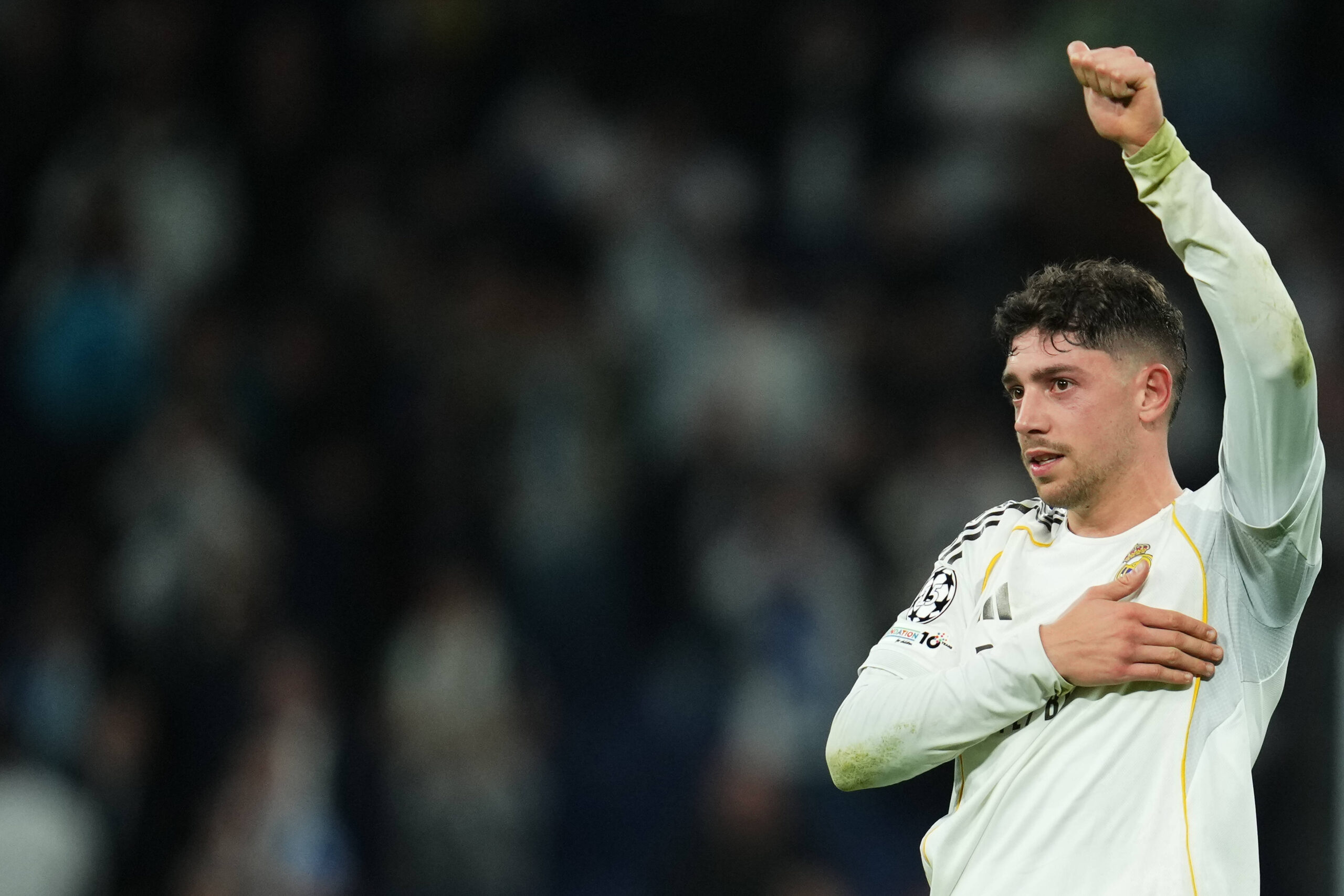
YOU MAY ALSO LIKE: Federico Valverde Hat-Trick Demolishes Manchester City’s UEFA Champions League Dreams
Three Goals Down, Four Needed To Qualify: What Are Chelsea’s Chances Of A Remontada At The Bridge?
The defeat on Wednesday cannot be placed entirely on one player. However, Jorgensen’s mistake against PSG has undeniably caused significant damage.
Not only did it have a major impact on the tie itself, but it has also amplified the outside noise and scrutiny surrounding the team.
Ironically, his willingness to play out from the back had often helped the team progress the ball and maintain possession during the match.
Yet, in football, moments tend to overshadow the bigger picture, and that single mistake is likely to become the defining talking point rather than the many times his distribution worked in the team’s favour.
With criticism pouring in from every corner of the fan base, the decision over who starts in goal for Chelsea in the second leg could prove decisive.
The choice made by Liam Rosenior may ultimately play a significant role in determining whether the Blues can overturn the deficit and progress to the next round.
However, if there is an English team capable of mounting a comeback, it is Chelsea. That being said, overturning the deficit and booking a place in the UEFA Champions League quarter-finals would require nothing short of a herculean effort.
Paris Saint-Germain already have one foot in the UEFA Champions League quarter-finals, and it’s hard to imagine them not scoring at Stamford Bridge.
Yet, having pulled off remarkable comebacks in the past, most notably the memorable fightback against West Ham United, the Blues will go into the second leg with belief.
That belief will be essential, with the club at risk of missing Champions League football next season, potentially exiting the competition now, while also struggling to secure a spot in the Premier League top four.
The Blues know they have the potential to turn the tie around and deliver a Champions League classic.
Main Photo
Credit: IMAGO / PsnewZ
Recording Date: 11.03.2026