
Today, football shirt sponsorship has become a crucial aspect of the modern game.
Football shirt sponsorship serves as a vital source of financial strength that enables clubs to generate substantial revenue, compete at the highest level, and expand their global brand presence, while in return, it provides sponsors with unparalleled visibility and worldwide exposure.
The Giants Of Football Shirt Sponsorship
European giants Real Madrid, Barcelona, and Paris Saint-Germain currently lead the way in football shirt sponsorship revenue, each earning around €70 million per season.
Meanwhile, Manchester United, despite not featuring in the UEFA Champions League since the 2023/24 campaign, were still able to secure a €70 million deal with Snapdragon, placing them in the same group with the top earners, which is largely driven by the club’s vast global following, estimated at 1.1 billion fans, the largest of any English side.
While Chelsea, who secured a front-of-shirt sponsor in February with IFS, are believed to have a deal that runs until the end of the season, as the club continues its search for a long-term, permanent football shirt sponsorship deal, the broader commercial outlook remains uncertain.
Following their Club World Cup triumph, the Blues had initially hoped to negotiate a record-breaking deal in the region of €75 million, but after a prolonged delay in securing a primary sponsor and spending a significant period without one, recent reports suggest they may now have to settle for a figure closer to €45 million.
The situation could deteriorate further, as Chelsea’s inconsistent domestic form risks them missing out on qualification for next season’s Champions League, a scenario that would further reduce their commercial appeal with brands and widen the growing revenue gap between them and their European rivals.
Barcelona’s Record-Breaking €1.7 Billion Deal: The Biggest Football Shirt Sponsorship In History
In 2024, Barcelona secured a 14-year extension with Nike for their kit deal, running until 2038, worth a total of €1.7 billion, roughly €121–127 million per year when factoring in signing bonuses and performance-related incentives.
This deal is the largest kit sponsorship deal in football history by total value.
To put this into context, it is more than what most clubs in Europe’s top five leagues generate in total annual revenue. Barcelona is making that in commercial revenue from one kit deal alone.
This agreement is widely cited as the largest kit sponsorship deal in football history, surpassing Real Madrid’s deal with Adidas (worth roughly €120 million per year).
Why National Teams Are Banned From Football Shirt Sponsorships
FIFA prohibits national teams from displaying corporate sponsors on the front of their match jerseys, primarily to protect its own global partners like Coca-Cola, Adidas and Visa.
Under the latest FIFA Equipment Regulations (2025), the only non-national branding allowed on a match kit is the manufacturer’s logo, which is strictly limited in size.
All other corporate advertising, including shirt sponsorship from competing brands, remains banned from match-day apparel, though it is permitted on training gear and press conference backdrops.
Allowing national teams to display competing brands during a World Cup would directly undermine the exclusivity that those partners paid billions to secure.
Imagine if the Nigerian Super Eagles team wore a “Pepsi” logo, it would violate the exclusivity that FIFA promised to Coca-Cola.
YOU MAY ALSO LIKE: Three Standout Midfielders In The Premier League This Season
How The 2026/27 Season Will Change Gambling Football Shirt Sponsorship In The Premier League
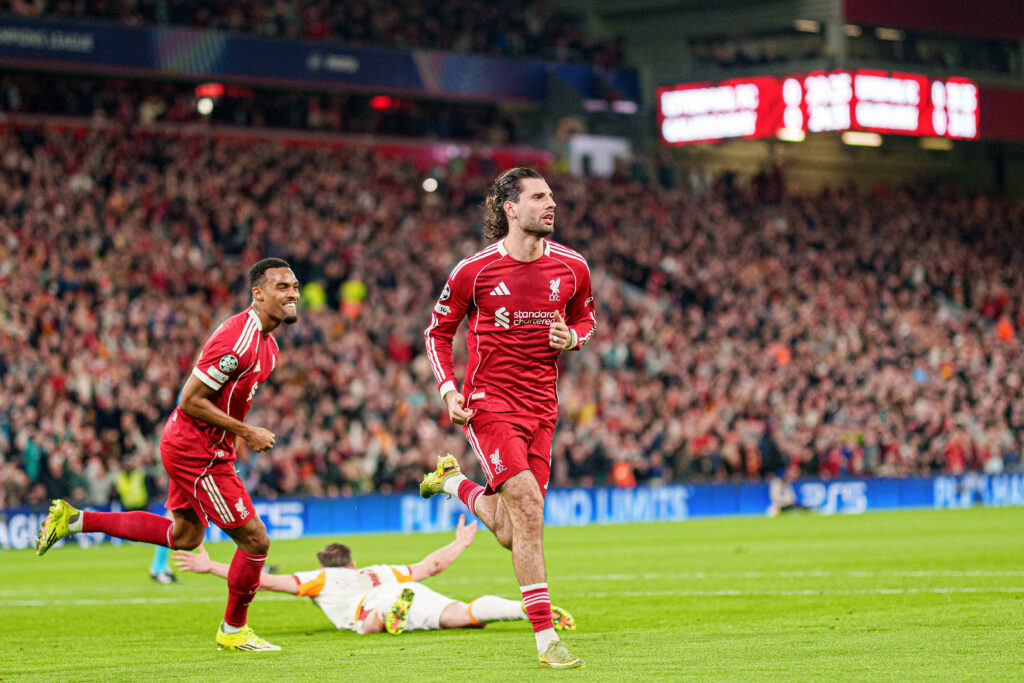
11 of the 20 Premier League clubs currently have a gambling company as their front-of-shirt sponsor, representing approximately 60% of the division.
Those gambling companies are spending £95 million combined across the Premier League in what will be the last season before the ban on front-of-shirt gambling sponsorship takes effect from 2026-27.
The ban on gambling front-of-shirt sponsors was a voluntary decision made by Premier League clubs in April 2023. There are two main reasons why this has come into effect.
Protecting Vulnerable Groups
Gambling had increasingly come to be viewed as both normal and morally acceptable, prompting significant concern from the UK government.
Due to footballers being role models to millions of boys worldwide, featuring betting logos on their chests was seen as exerting an undue influence on children and young fans.
Public Health Concerns
Research has shown that over 70% of children aged 10–17 can recognise gambling brands, largely due to watching Premier League matches and repeated exposure to betting shirt sponsorships.
Removing these logos is intended to reduce the visibility of addictive products to minors, although the ban only applies to the front of matchday shirts.
Gambling companies can still appear on shirt sleeves, training gear, and LED hoardings around the stadium.
The Blues’ Record-Breaking Wait For A Front-of-Shirt Partner
Chelsea have stayed without a primary shirt sponsor longer than any other club in recent Premier League history, entering three consecutive seasons without a long-term partner.
Since their deal with telecommunications company Three ended, the Blues decided to play with “clean” shirts rather than accept a deal they believed was below their standard.
In the 2023/24 season, Chelsea played without a front-of-shirt sponsor for the first seven games of the Premier League campaign before reaching a deal with technology firm Infinite.
The following 2024/25 season, they went without a front-of-shirt sponsor for the majority of the campaign, before eventually striking a short-term agreement with Damac Properties for the final seven matches.
Reports suggested the deal was worth around £1 million per game.
This season followed a similar pattern to the previous two, with the campaign beginning without a front-of-shirt sponsor.
However, that run finally came to an end in February 2026 when they secured a deal with AI company IFS to cover the remainder of the season.
For the Blues, the next campaign is once again an unknown regarding the front-of-shirt sponsor, but that will likely be determined by how Chelsea perform for the rest of the season.
Main Photo
Credit: IMAGO / Sports Press Photo
Recording Date: 17.03.2026