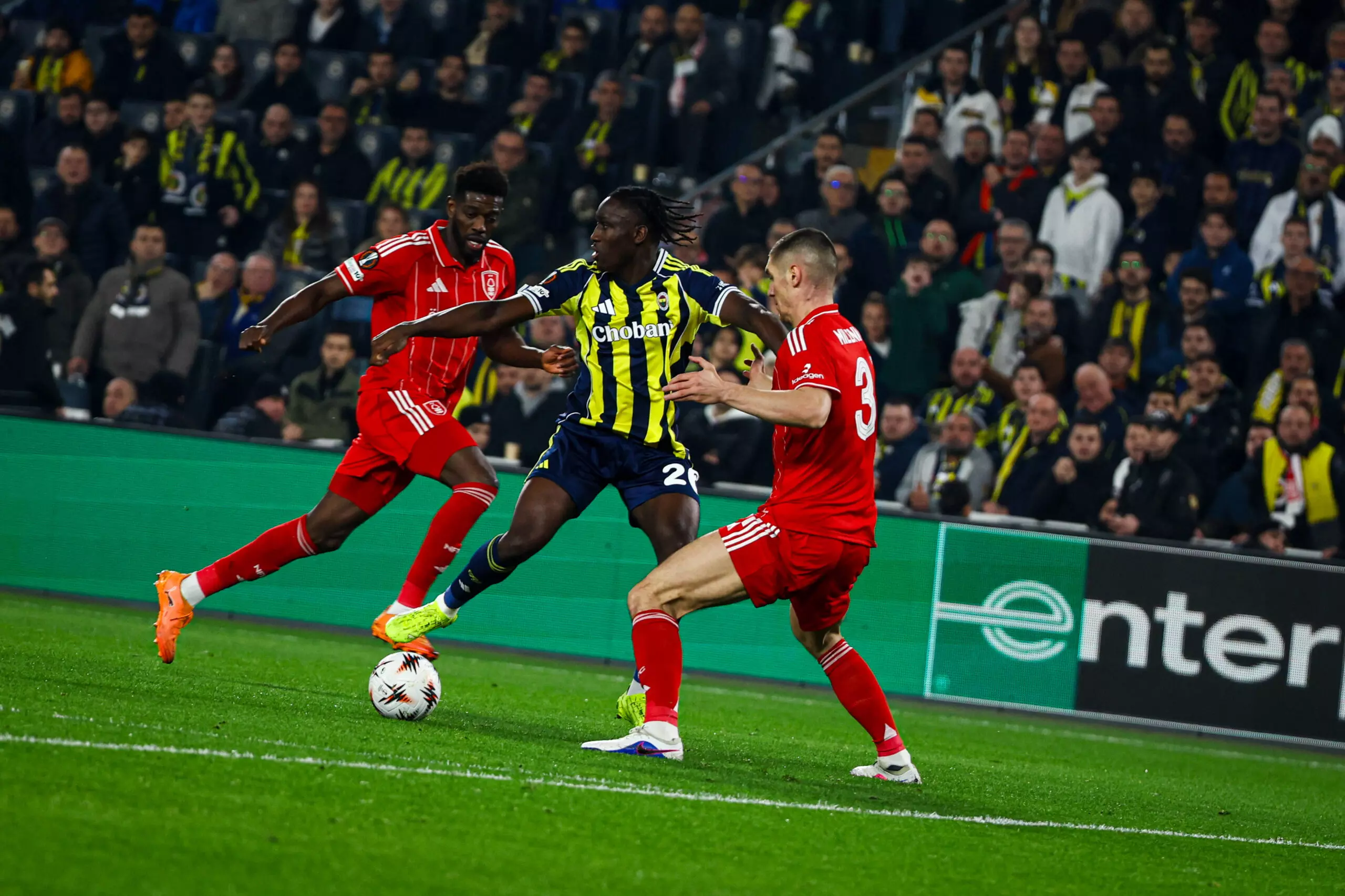


There are European nights that feel like theatre, and there are European nights that feel like evidence. Aston Villa’s trip to Istanbul was the second kind: a narrow, abrasive 1–0 win at Fenerbahçe that did more than add another result to the calendar – it sealed Aston Villa’s round-of-16 qualification.
Jadon Sancho’s first-half header settled the scoreboard to further ignite Aston Villa’s Europa League campaign, but the real significance lay in the wider consequence.
With that win, it guarantees Aston Villa’s top-eight finish in the league phase, meaning no detour through the play-off round and no extra tie to survive – exactly the kind of control that defines Aston Villa’s round-of-16 qualification. They have done the hard part early – qualification secured with a game still to play.
This is what serious European campaigns look like. Not the desperate scramble of late matchdays, not the frantic arithmetic of “must-win” nights – just a team arriving at a hostile ground, managing the chaos, and leaving with certainty.
For Villa, the timing matters as much as the milestone. A club that last sat at the top of Europe in 1982 is now back in position to chase a different European prize, and the route has already been cleared with a professionalism that suggests they are not in this competition to make up the numbers.
Villa’s early qualification is not a standalone achievement or a sudden spike in form. It is the European expression of a trajectory that has been building for months: Aston Villa’s rise under Unai Emery, a club that stopped behaving like a hopeful outsider and started operating like a team with a method.
That method is the point. Aston Villa’s rise under Unai Emery has been less about headlines and more about repeatability – clear structure, clearer decision-making, and a mentality that treats difficult spells as phases to manage rather than moments to panic. The result is a side that no longer needs the game to feel perfect to win it.
And that is why this season, in particular, matters. Villa have played like a top team for long enough that the old framing no longer fits. They are not a traditional title power, but they have forced themselves into the conversation by producing the habits of one: consistency, authority, and the ability to keep their level across weeks, not just on big occasions.
So their Europa League form is not a detour from their domestic rise. It is the next proof point. With Aston Villa’s round-of-16 qualification already secured and the safety of Aston Villa’s top-eight finish in the league phase removing the extra trapdoor round, the question becomes sharper and more serious: can this rise end with silverware, and can Emery’s European expertise turn progress into a trophy?
This Season’s Proof: Villa Have Earned Title-Race Language, Even Without “Big Club” Status
What makes this European push feel credible is that it is happening alongside a domestic form that has already reclassified Villa’s season. They are not hovering around the conversation on vibes; they are positioned in it on merit. Villa remains third in the Premier League, level on points with Manchester City and seven points behind leaders Arsenal.
And it is not merely the league position – it is who they have already beaten to get there. Villa have taken scalps off Arsenal (2-1), Manchester City (1-0), Manchester United (2-1), Chelsea (2-1) and Tottenham (2-1). The one traditional heavyweight they have not cracked yet is Liverpool, who beat them 2-0 in November 1, 2025.
That framing matters because it changes how opponents treat them and how Villa should speak about themselves. A club can be “improved” and still be harmless. Villa, this season, has not been harmless. Their points pace reflects a side performing at a contender level – even if the traditional assumptions around who should be in a title race do not naturally include them.
Even the setbacks underline the point. The 0-1 home defeat to Everton was described as Villa “losing ground” in the title race precisely because the bar for them has shifted: this is now a team measured against the top, not merely applauded for progress.
So when Villa move through Europe with composure, it does not read like escapism from league reality. It reads like alignment. The domestic table says they are already operating like a top side; Aston Villa’s Europa League campaign now offers the stage to turn that level into the one thing that changes a club’s modern reputation permanently – silverware.
The Emery Effect: What Changed, and Why It Travels in Europe
To understand why Villa’s Europa League progress feels sustainable, you have to start where the change actually began: the moment Unai Emery walked into a club drifting near the bottom half and turned it into one with direction. Villa appointed him in late October 2022, and the appointment was framed immediately as a “project,” not a short-term patch.
What followed was not a cosmetic uplift. It was a structural reset. The most telling early indicator was not a single big win, but the speed at which Villa became repeatable – harder to destabilise, harder to draw into chaos, and far more consistent in how they managed games.
The shift was clear enough that, within months, reports around Villa focused less on “new manager bounce” and more on “transformation,” noting how quickly Emery turned a side that had hovered around the relegation line into one producing top-end league results.
That matters for Europe because the Europa League rarely rewards teams that rely on adrenaline or perfect-flow football. It rewards teams that can control risk, survive uncomfortable phases, and still execute a plan when the crowd, the tempo, and the match state all turn against them. Villa’s ability to qualify early from the league phase fits that profile – and it fits the manager’s history too, given Unai Emery’s Europa League pedigree.
YOU MAY ALSO LIKE: Arsenal vs Manchester United: Three Key Factors To Consider, Predicted Lineups and Injuries
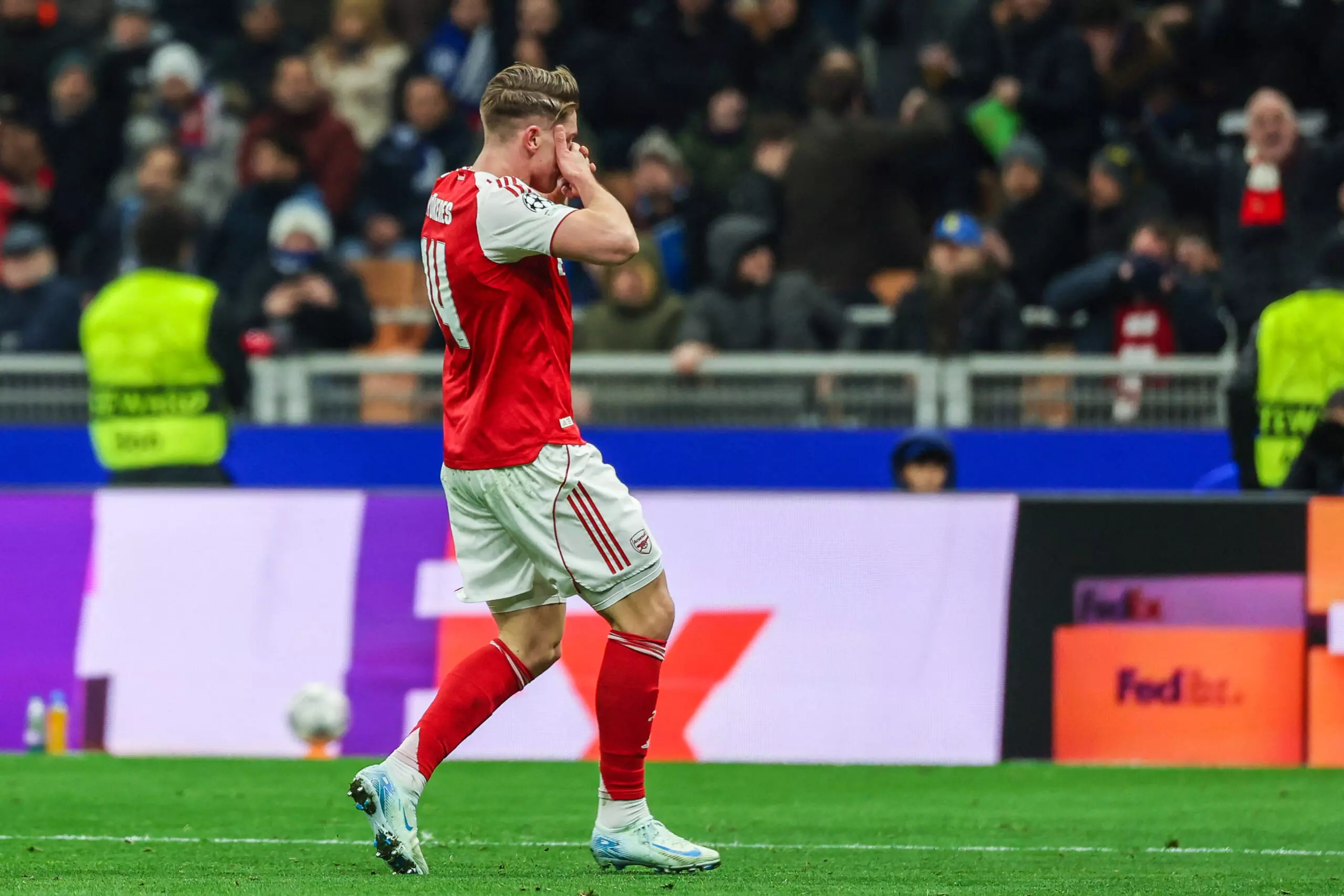
Why Aston Villa’s Europa League Campaign Fits: The Competition and the Specialist
The Europa League is rarely won on glamour alone. It rewards structure, adaptability, and the ability to manage uncomfortable phases – especially when away legs turn chaotic, and game states shift fast.
The early Aston Villa’s round-of-16 qualification, secured with a game to spare, reflects that kind of control rather than a one-off burst of form – and Aston Villa’s top-eight finish in the league phase has only sharpened the sense that this has been handled with intent.
And then there is the manager. Unai Emery’s Europa League pedigree is not a marketing line; it is a competitive advantage. It speaks to a specific competence: how to navigate two-legged ties, how to win when the performance is imperfect, and how to turn small advantages into progression.
Villa have built domestic credibility. Aston Villa’s Europa League campaign now offers the most direct route to turn that credibility into something more permanent.
Stakes and Finish: History Within Reach
The temptation, once a club reaches this stage, is to talk as if it’s time to take a foot off the pedal. It is not. The round of 16 is where the Europa League stops feeling like a campaign and starts feeling like a referendum: on depth, on discipline, on whether your identity holds when the margin tightens to a single mistake.
For Villa, the stakes are sharpened by the distance between then and now. 1982 sits in the club’s European memory as a peak, but memory is not a medal you can defend. What this run offers is the chance to create a modern landmark – one that does not live in archive footage, but in a squad that has earned the right to be taken seriously in both England and Europe and one that would crown Aston Villa’s Europa League campaign with a finish that matches its evidence.
Yet the threats are obvious. Knockout football punishes lapses. Rotation can either preserve legs or disrupt rhythm. A season fought on two fronts can reward ambition or expose limits. The opposition will improve, the atmosphere will grow sharper, and every tie will ask the same question in a new accent: can Villa control the uncontrollable?
That is where the story becomes simple, in the best way. Villa have already proved they are a top team, not a temporary surprise. Now the challenge is harsher and more honest: to become a trophy team. Because progress changes perception, but silverware changes history.
Main Photo
Credit: IMAGO /BSR Agency
Recording Date: 22.01.2026