
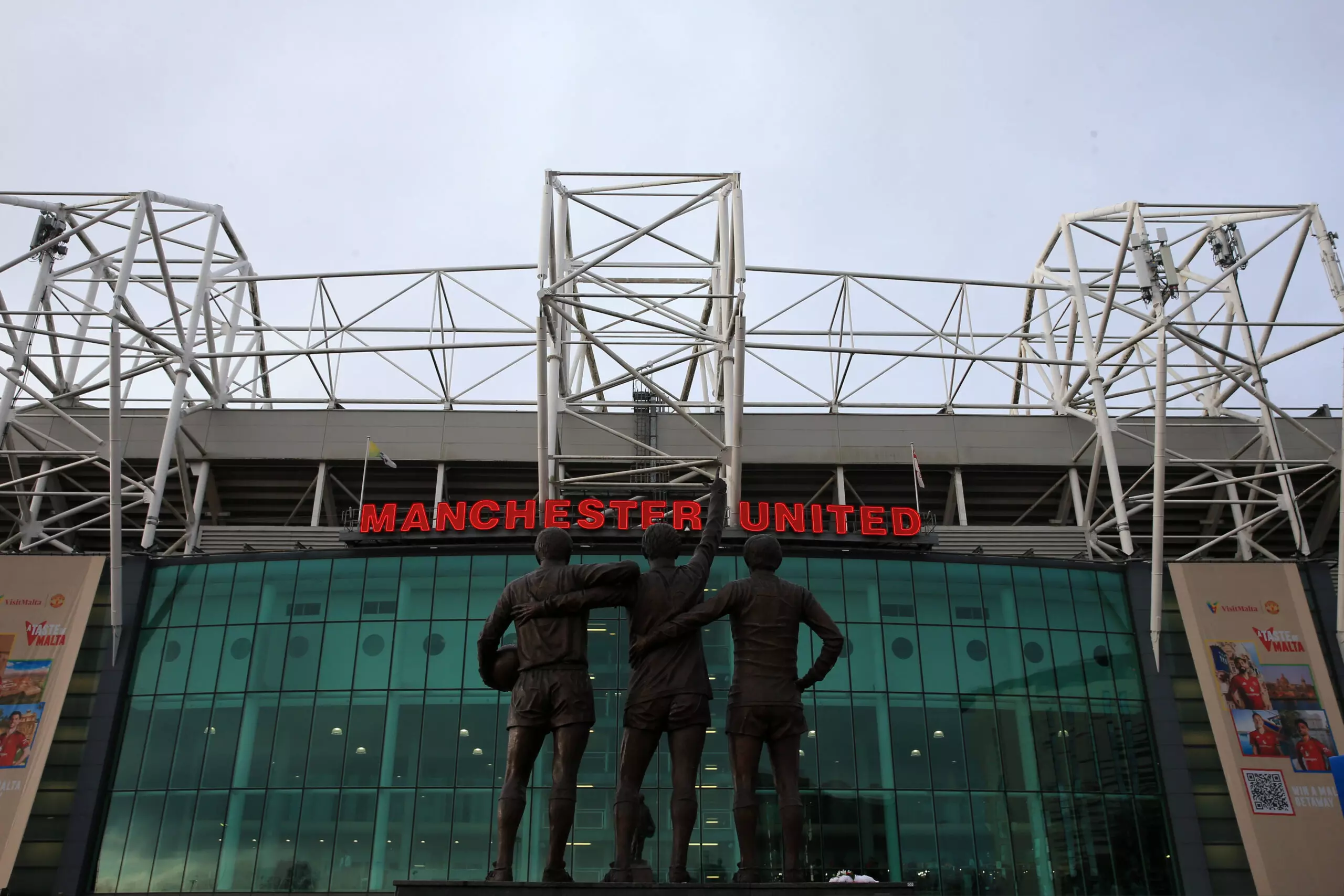
The Manchester United new stadium plan has moved from a long-term vision to an active boardroom project. Behind the scenes at Old Trafford, executives are now progressing concrete discussions to build a 100,000-seat arena – a venue insiders have nicknamed the “Wembley of the North.”
While supporters naturally focus on results on the pitch, this development signals a structural shift in how United intends to modernise their commercial and football operations simultaneously.
Old Trafford has long been one of football’s most iconic stadiums, but ageing infrastructure and limited expansion options have increasingly constrained matchday revenue growth. Senior leadership now views a new stadium as essential to competing financially with Europe’s elite. As a result, the Manchester United new stadium plans are being treated not as a cosmetic upgrade but as a foundational pillar of the club’s long-term rebuild.
Manchester United New Stadium Plan: Why United Are Building a New Arena
Internal assessments have shown that modern stadium ecosystems generate much more than ticket revenue. Hospitality, digital fan engagement, sponsorship activation, and global events have become vital sources of income. United’s board believes a next-generation venue is necessary to maximise these revenue streams.
External reports indicate the club is negotiating a major naming-rights deal, potentially worth hundreds of millions of pounds, to help fund construction. Recent coverage of stadium naming-rights negotiations explains how United plans to develop commercial partnerships around the new arena.
This commercial approach mirrors a broader trend in top-tier football, where financial sustainability models increasingly link to infrastructure investment. Therefore, for United, the Manchester United new stadium project is equally about good governance and long-term competitiveness as it is about architecture.
What Happens to Old Trafford?
One of the main discussions has been about whether to renovate Old Trafford or to build a new stadium instead. The current plan is to build a new stadium on nearby land, so match operations can keep running while construction is happening. This step-by-step method lessens interruptions while building an important location meant for the next 50 years.
The New Trafford project‘s background documents present initial design ideas and capacity estimates that are currently under consideration.
This approach would allow United to preserve Old Trafford’s legacy while transitioning to a commercially superior facility. The Manchester United new stadium plan therefore, blends heritage with modernisation – a delicate balance at the heart of the club’s identity.
YOU MAY ALSO LIKE: Liverpool’s Form: The Reds’ Stalwarts Faltering As Reds Show Signs Of Weakness
Boardroom Strategy Meets Football Rebuild
Crucially, the stadium project is not unfolding in isolation. It sits alongside broader structural reform in recruitment, contract policy, and sporting leadership. Investment priorities across football operations are now being aligned with a long-term infrastructure strategy.
Executive-level restructuring has played a key role in shaping decision-making at Old Trafford in recent months, particularly around how authority and responsibility are distributed within the club’s leadership.
This alignment suggests the Manchester United new stadium plan is part of a unified long-range vision rather than a standalone construction project.
What This Means for United’s Future
If executed successfully, the new stadium would position United among the highest-earning matchday operations in world football. More importantly, it would create the financial headroom needed to support sustainable squad investment without breaching evolving Premier League profitability regulations.
Supporters may primarily see a stadium announcement as an architectural story. Internally, however, executives view it as a competitive reset – one that allows football strategy, commercial growth, and global brand expansion to move in sync.
The Manchester United new stadium plan is therefore more than a venue upgrade. It is a declaration of long-term intent: to rebuild infrastructure, restore revenue dominance, and provide a platform for sustained sporting success in the decades ahead.
In practical terms, the success of the Manchester United new stadium plan will shape nearly every dimension of the club’s future operations. Matchday experience, commercial partnerships, global fan engagement, and even player recruitment appeal are directly influenced by stadium infrastructure. Executives believe that delivering a world-class venue will restore United’s position as a commercial benchmark in European football.
For players and coaching staff, a modern arena also signals ambition and long-term stability. Ultimately, the Manchester United new stadium plan is not just about bricks and steel – it is about redefining the environment in which the next generation of Manchester United success will be built.
Main Photo
Credit: IMAGO /Action Plus
Recording Date: 17.01.2026