
The World Cup 2026 Round of 16 delivered everything football fans could ask for – last-minute drama, stunning upsets, heartbreaking exits, controversial decisions, and moments that will be remembered long after the final whistle.
Legends saw their World Cup dreams come to an end, emerging contenders proved they belong among the elite, and VAR once again ignited fierce global debate.
Beyond the score lines, the knockout stage revealed deeper stories that could shape the remainder of the tournament and the future of the FIFA World Cup.
From Lionel Messi keeping Argentina’s title defence alive to political controversy and the rise of fearless underdogs, here are the five biggest takeaways from the World Cup Round of 16.
World Cup 2026 Round of 16 Exits: Ronaldo and Neymar Are Out – Messi’s World Cup Dream Lives On
The FIFA World Cup Round of 16 marked the end of an era for two of football’s greatest icons while keeping another legendary career alive.
The World Cup 2026 Round of 16 became the stage where Cristiano Ronaldo’s Portugal and Neymar’s Brazil saw their championship hopes disappear.
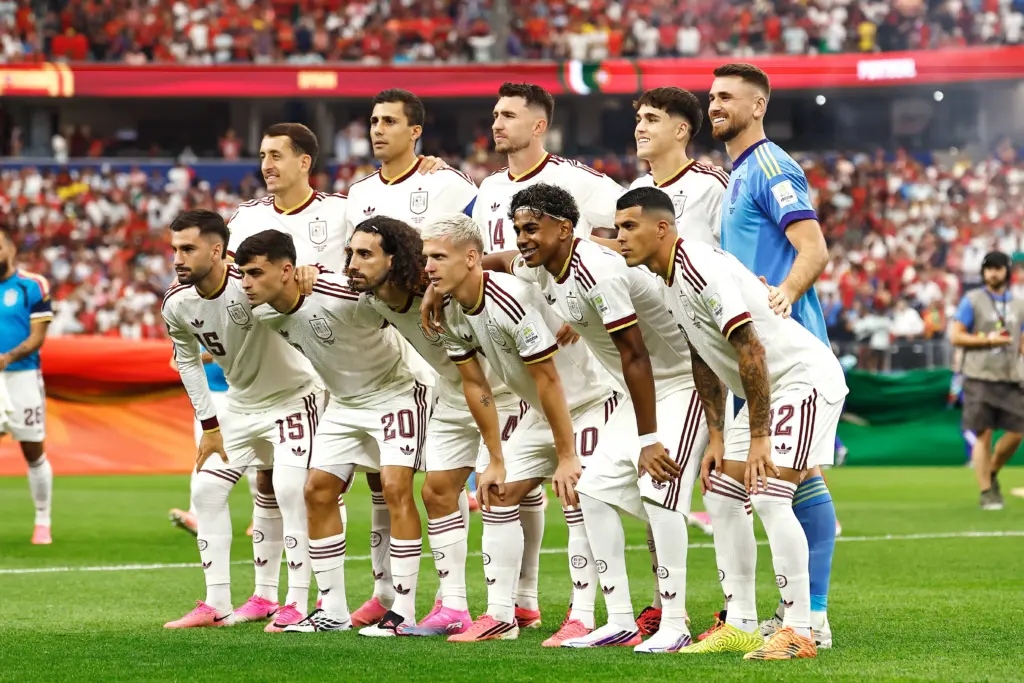
Cristiano Ronaldo’s Portugal were eliminated by Spain after Mikel Merino’s dramatic stoppage-time winner brought the five-time Ballon d’Or winner’s World Cup journey to a heartbreaking close. Neymar also saw his dream of lifting football’s biggest prize come to an end as Brazil suffered a stunning 2-1 defeat to Norway, with Haaland scoring twice late in the match to complete one of the tournament’s biggest upsets.
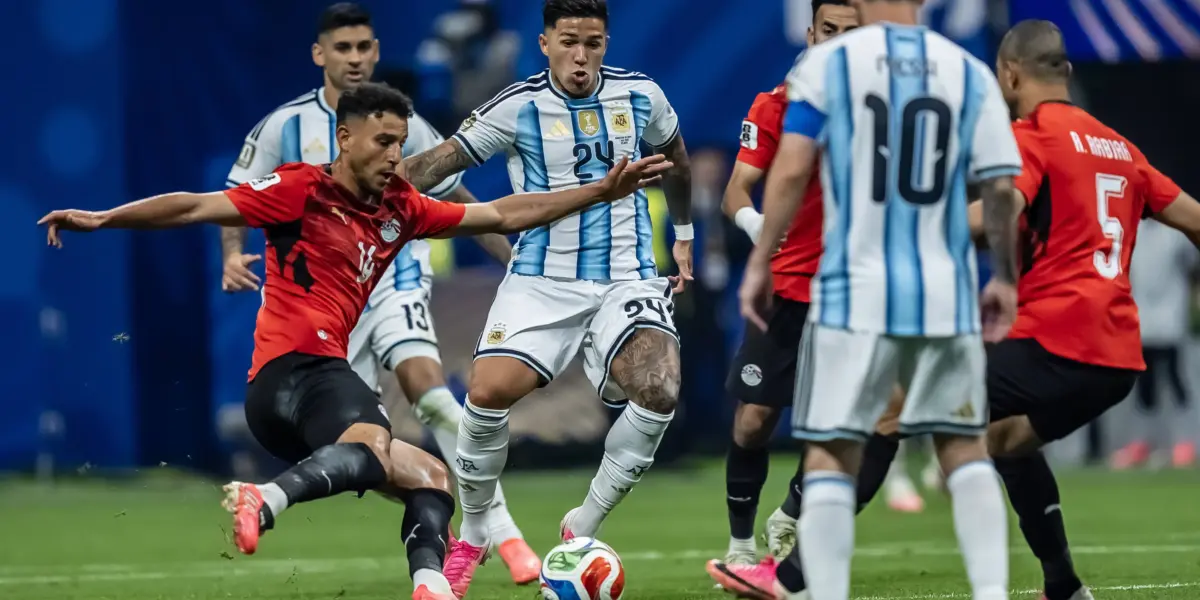
While two modern legends bowed out, Lionel Messi once again found a way to survive. The Argentina captain inspired the defending champions’ dramatic 3-2 comeback victory over Egypt, leading his nation into the quarterfinals and keeping alive the possibility of another unforgettable chapter in his extraordinary career.
In a tournament that has already delivered countless twists, the World Cup Round of 16 may ultimately be remembered as the moment football bid farewell to the World Cup dreams of Ronaldo and Neymar – while Messi’s pursuit of history continued.
Dark Horses Are No Longer Dark Horses
Perhaps the biggest storyline of the FIFA World Cup Round of 16 is that several so-called underdogs have officially shed that label.
Norway stunned Brazil in one of the tournament’s biggest shocks, proving that disciplined defending and clinical finishing (as long as you have Erling Haaland on your team…you can say so) can topple even football royalty. Morocco continued their remarkable rise by comfortably eliminating Canada, building on years of consistent development rather than relying on one magical tournament.
Calling these nations “dark horses” now almost feels outdated. The World Cup 2026 Round of 16 proved that international football’s balance of power is shifting, with emerging nations now capable of defeating traditional giants on the biggest stage. Their performances have earned them something far more significant: genuine favourites.
International football has become increasingly balanced, and the traditional hierarchy is no longer guaranteed. The age of predictable giants is fading – this World Cup belongs to the fearless. And from this point forward, every remaining contender has the power to rewrite football history.
The Host Nations Are Out – But They Leave With Pride
The dream of a home nation lifting the trophy is officially over, but a tournament should not define the performances of the hosts in elimination alone.
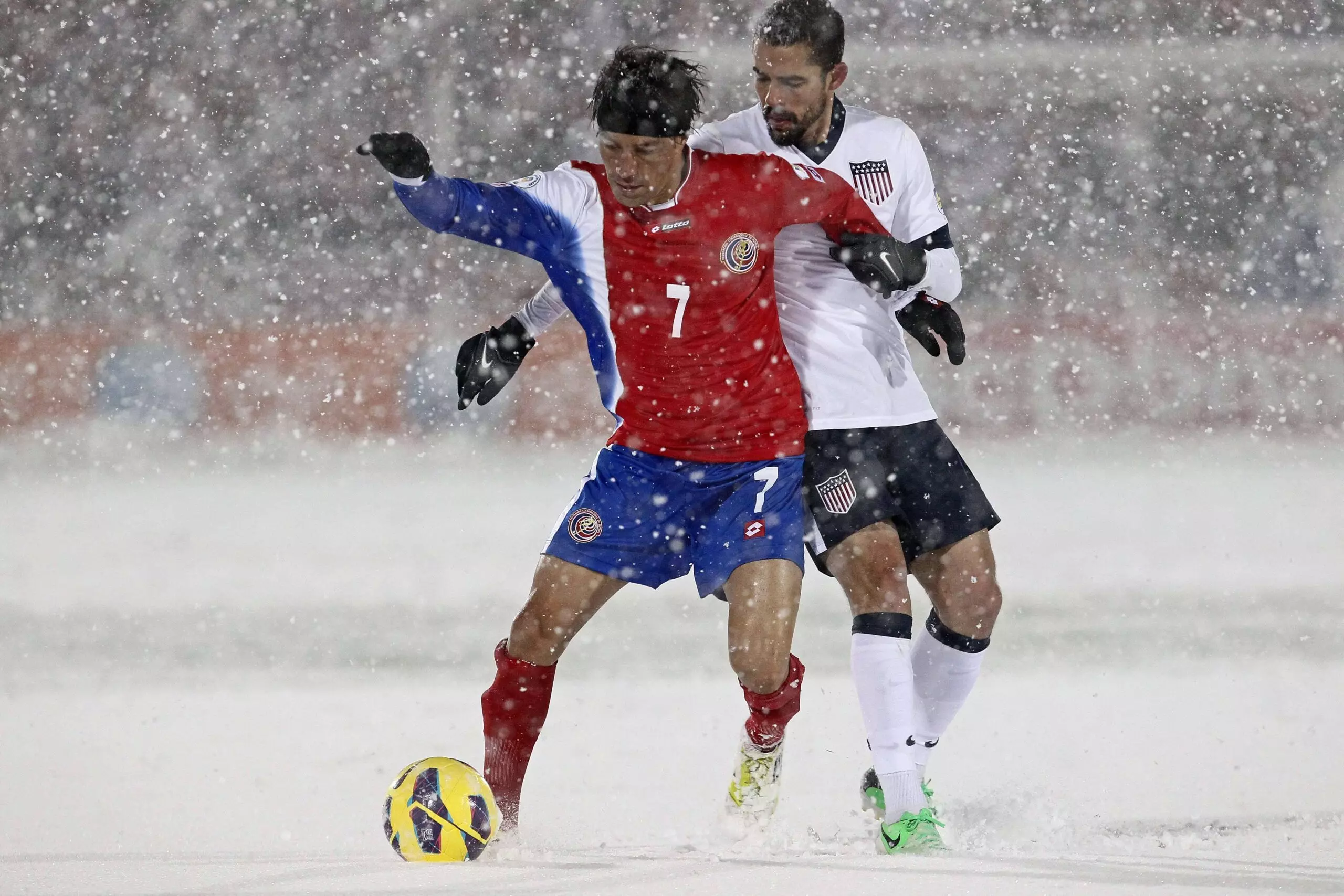
Canada exceeded expectations by reaching the World Cup knockout stage and competing bravely against Morocco. The United States fought hard but ultimately fell to a clinical Belgium side.
Mexico, however, arguably earned the greatest respect among the three co-hosts.
Their spirited performance against England embodied everything supporters hoped to see: passion, determination, and fearless football. Although defeat ended their campaign, Mexico demonstrated that they belonged on the biggest stage.
Hosting a World Cup brings enormous expectations and pressure unlike anything experienced by visiting nations. While neither of the hosts advanced further, each contributed to a memorable tournament atmosphere, and the World Cup 2026 Round of 16 showcased the continued growth of football across North America.
Sometimes success cannot be measured solely by how far a team progresses.
VAR Controversy…At It Again
The World Cup 2026 Round of 16 will likely be remembered as much for VAR debates as for the incredible football played on the pitch.
When Argentina completed a dramatic 3-2 comeback victory over Egypt in the FIFA World Cup Round of 16, the headlines quickly shifted from the score line to another heated debate over the Video Assistant Referee (VAR).
While Argentina celebrated its comeback, Egypt was left questioning several crucial decisions that defined the second half. The biggest flashpoint came when Egyptian Mostafa Ziko appeared to score what would have been a decisive goal, only for VAR to disallow it after determining that a foul on Lisandro Martinez had been committed in the build-up.
Egypt also appealed for a late penalty quickly dismissed by referee François Letexier, moments before Enzo Fernández scored Argentina’s dramatic stoppage-time winning header in the World Cup Round of 16 match.
The controversial decisions quickly dominated post-match discussions, with fans and analysts divided over whether VAR had upheld the Laws of the Game or unfairly influenced the outcome.
Once again, a World Cup classic became remembered not only for its football but also for the controversy surrounding VAR – proving that VAR controversy is, once again, at it again.
YOU MAY ALSO LIKE: World Cup 2026 Quarterfinals: Analysis and Match Predictions
Political Interference – A Disgrace To Football?
The FIFA World Cup Round of 16 reminded us that football’s biggest threats don’t always come from the opposition – they sometimes come from outside the game.
After Folarin Balogun’s red card, U.S. President Donald Trump’s direct appeal to FIFA president Gianni Infantino over the striker’s suspension ignited widespread backlash. Regardless of whether Balogun deserved to play, the mere perception that political figures can influence football’s disciplinary process is a disgrace.
Football’s integrity depends on independent decisions made by referees and judicial bodies, not by politicians. Once politics enters the conversation, trust in the competition begins to erode.
The World Cup 2026 Round of 16 should be remembered for unforgettable matches, not political intervention. Keeping football free from outside influence isn’t just important. It’s essential.