

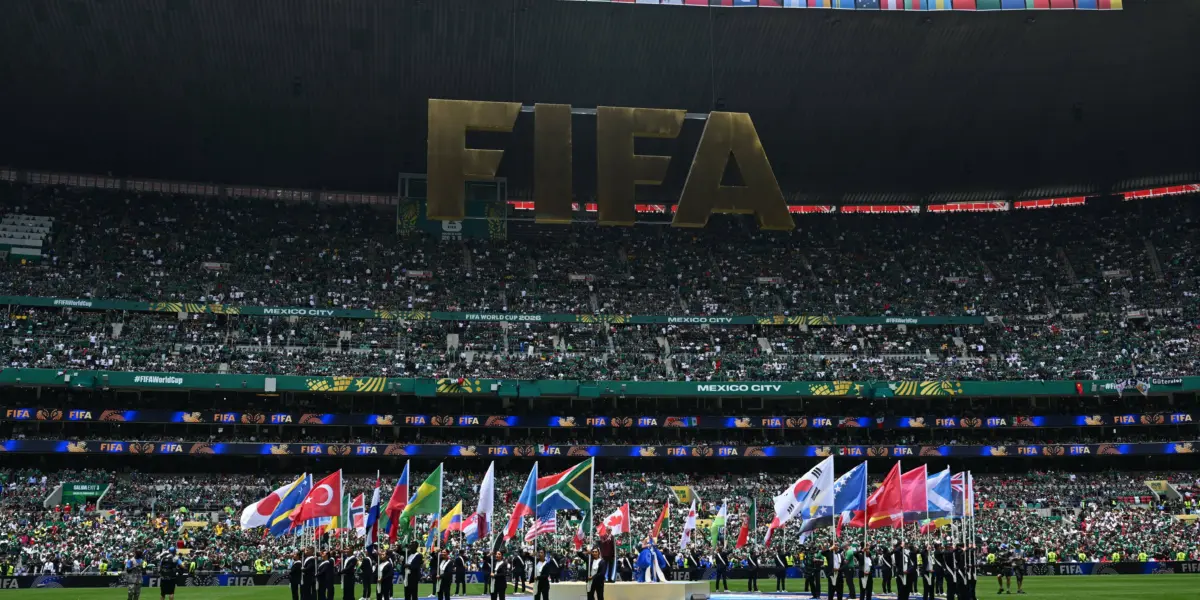
The African teams World Cup 2026 campaign looked destined to become the continent’s greatest performance at a FIFA World Cup, with history seemingly within reach after a record-breaking start to the tournament.
That optimism was driven by a standout Africa World Cup performance during the group stage, which saw a record nine African nations qualify for the Round of 32, keeping the continent’s dream of a historic World Cup run very much alive.
Yet, as the knockout stage unfolded, that dream gradually faded, with only one African nation, Morocco, reaching the quarter-finals while the other teams suffered eliminations along the way.
Although every exit unfolded differently, one costly pattern repeatedly surfaced, with late goals becoming the defining factor behind Africa’s collapse on football’s biggest stage.
African Teams World Cup 2026: Nine Nations Arrived with History in Sight, But Only One Survived
The African teams World Cup 2026 campaign began with ten nations qualifying for the tournament, with many of them producing impressive performances during the group stage and matching some of Europe’s strongest sides.
That impressive showing resulted in nine African teams reaching the Round of 32, the highest number of African nations ever to qualify for the knockout stage of a single FIFA World Cup.
Following that remarkable achievement, optimism quickly spread across the continent, with many fans and pundits predicting that multiple African teams could reach the quarter-finals given the incredible depth, quality and experience within several squads.
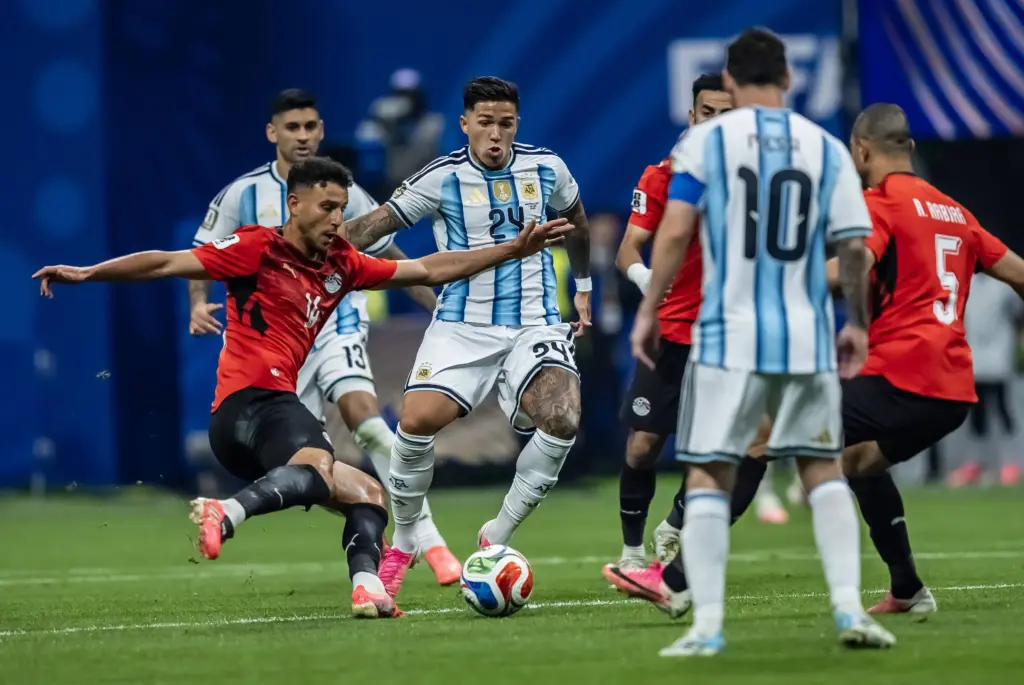
However, despite those expectations, only Morocco progressed to the quarter-finals. Seven teams were eliminated in the Round of 32, while Egypt became the latest casualty after suffering a Round of 16 defeat to Argentina.
What made those exits even more intriguing was the manner in which they happened. Most of the Africa World Cup exits came after conceding decisive goals in the final minutes of normal time or during extra time.
Before those heartbreaking moments, many of the teams had controlled large spells of their matches, but a loss of tempo, concentration, and composure turned promising performances into painful eliminations.
The Late-Goal Trend That Kept Haunting African Teams
Several Africa World Cup exits at this tournament have been defined by late goals that ultimately ended their World Cup dreams.
Time after time, African teams controlled matches for long periods, only to concede decisive goals from the 75th minute onwards.
South Africa conceded in the 91st minute against Canada, Ivory Coast allowed an 86th-minute winner against Norway, DR Congo conceded in the 86th minute against England, Senegal were beaten in the 125th minute by Belgium, Cape Verde conceded in the 111th minute against Argentina, while Egypt allowed a 92nd-minute goal against Argentina. Each of those goals proved decisive in their elimination.
What made the trend particularly captivating was that, before those moments, many of the teams had been playing well, dictating the tempo and limiting their opponents’ attacking threat.
As a result, what could have been a historic World Cup for African football instead became another tournament filled with painful lessons, with late goals emerging as one of the defining stories behind the Africa World Cup performance.
When Control Turned Into Collapse: Why African Teams Could Not Finish the Job
The Africa World Cup performance throughout this tournament has consistently shown that many African teams started matches brightly, controlling possession, pressing aggressively, and creating clear-cut opportunities.
There were several performances against elite opposition where African teams looked tactically organised, disciplined, and, for long periods, the better side, placing themselves in strong positions to qualify.
However, as the tournament progressed, their inability to manage games became one of the biggest reasons behind the Africa World Cup exits.
Instead of maintaining pressure, many teams dropped their intensity, defended too deeply, and became overly cautious during the closing stages, allowing opponents to regain momentum.
At the same time, a lack of experience in managing knockout football and questionable tactical decisions made it even more difficult to protect valuable leads.
Consequently, visible drops in tempo and urgency after taking the lead allowed opponents back into matches, while mental and physical fatigue during the closing stages also played a significant role in many of the Africa World Cup exits.
Fatigue, Tactics or Mentality? The Real Reason Behind the Late Goals
The Africa World Cup exits caused by late goals were influenced by several interconnected factors rather than one single issue.
Many African teams showed clear signs of fatigue during the final 15 to 20 minutes, with players unable to sustain the same pressing intensity and work rate that had defined their earlier performances.
In addition, late substitutions often failed to inject fresh energy or maintain the team’s tactical structure. In some cases, coaches persisted with exhausted starters for too long before making changes that disrupted the defensive organisation.
Game management also became a recurring concern. Rather than controlling possession and slowing the tempo, many teams retreated into deep defensive blocks, inviting unnecessary pressure from opponents.
Defensive concentration equally became a problem in crucial moments. Poor marking, lapses in focus, crosses into the penalty area, and second-ball situations repeatedly resulted in goals during stoppage time or extra time.
Psychological resilience also appeared to play a significant role. Several teams struggled to cope with the pressure of protecting narrow leads, abandoning their proactive approach for a reactive one while lacking experienced leaders capable of guiding the team through difficult closing stages.
Overall, the late goals that have defined many Africa World Cup exits were caused by a combination of fatigue, tactical shortcomings, and mentality. However, poor game management and mental resilience appeared to be the biggest factors, given the repeated pattern seen throughout the tournament.
YOU MAY ALSO LIKE: World Cup 2026 Round of 16: Five Unforgettable Takeaways
Can Africa Turn This Painful Lesson Into Future World Cup Success?
The African teams World Cup 2026 campaign has already demonstrated the remarkable progress of African football, with a record number of teams reaching the knockout stage and competing strongly against some of the world’s best nations.
Nevertheless, the large number of heartbreaking eliminations also exposed important areas that still require improvement if African teams are to challenge consistently for the latter stages of future World Cups.
Going forward, stronger game management, improved tactical flexibility, greater mental resilience, and better control of matches until the final whistle will be essential in building on this Africa World Cup performance.
Ultimately, while late goals proved costly for many African teams in 2026, the lessons learned from this tournament could provide the foundation for an even stronger generation capable of finally taking African football deeper into future World Cups.