
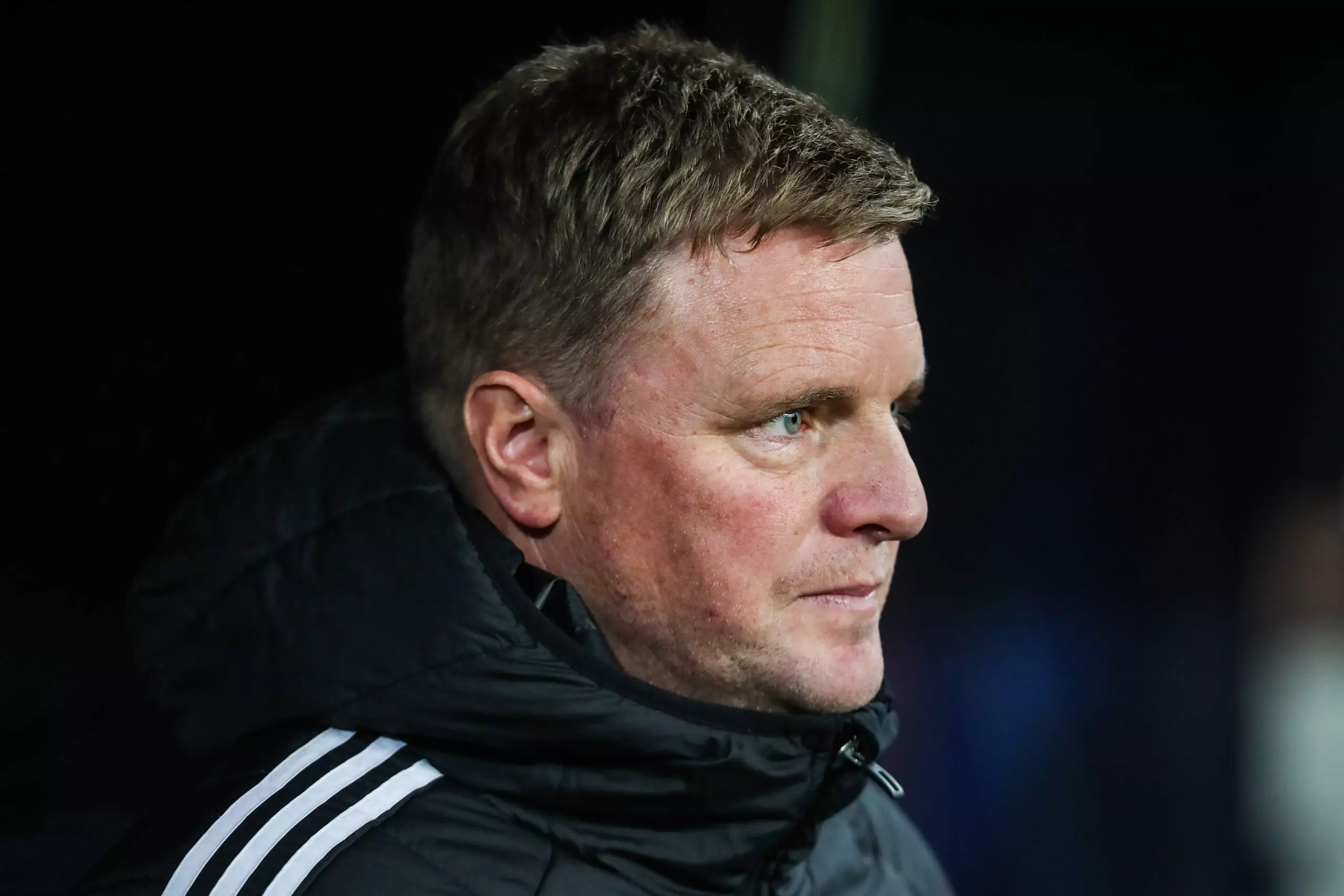
Speculation surrounding a potential move by Eddie Howe to Manchester United has intensified in recent days, as the Red Devils’ disappointing season took another turn for the worse after a humiliating 4-1 defeat to Italian side Como in the third game of the UEFA Champions League league phase.
The result has compounded the pressure on the club, marking their worst start to a season since 1986 and raising fresh questions about its direction. Howe, who has emerged as a potential candidate to become Michael Carrick’s replacement, stepped down as Newcastle United manager in July after nearly five years in charge of the Magpies. Now linked with a possible move to Old Trafford, the Englishman could become Manchester United’s eighth permanent manager since Sir Alex Ferguson’s departure.
However, while his achievements at Newcastle make him an intriguing candidate for the role, appointing him as the next Manchester United manager could carry significant risks.
Eddie Howe To Manchester United: Why His Playing Style Could Be A Mismatch
The past few years have seen Manchester United fall well below the standards expected of a club of their stature. Despite their recent struggles, the Red Devils remain one of the Premier League’s biggest football institutions, with expectations of competing for major honours still firmly intact. As the search for the next Manchester United manager continues, the club’s hierarchy faces another crucial decision, particularly after enduring mounting criticism over its leadership and the team’s declining fortunes.
Against this backdrop, the Eddie Howe to Manchester United speculation has gathered attention, with the former Newcastle boss emerging as a potential candidate to restore the club’s competitiveness. However, one of the biggest concerns surrounding the speculated appointment is whether his tactical philosophy can translate to a club expected to overturn its fortunes and dominate opponents rather than simply outwork them.
During his time at Bournemouth and Newcastle United, Howe built competitive teams around relentless pressing, physical intensity and rapid transitions. While this approach helped establish the Cherries in the Premier League and transform Newcastle into UEFA Champions League contenders, Manchester United’s expectations are considerably different.
When opponents arrive at Old Trafford, they are often content to surrender possession, sit deep in a compact low block and frustrate the hosts. Breaking down these stubborn defensive structures requires creativity, patience and tactical flexibility, qualities that some sections of the Manchester United fanbase remain unconvinced Howe possesses in sufficient measure to succeed as Michael Carrick’s replacement.
The problem is that Howe’s preferred style can become less effective when his teams are forced to dictate play against organised opposition. His emphasis on quick transitions and aggressive pressing works best when opponents leave spaces to exploit, but those opportunities become harder to find against teams defending in compact, low blocks, raising concerns over whether the rumours linking Eddie Howe to Manchester United point towards the right solution for a club desperate to restore its attacking identity and compete for major honours.
If the former Bournemouth manager struggles to develop a more sophisticated approach in the final third, United could find themselves repeating the same frustrating pattern of sterile possession, predictable attacks and dropped points against supposedly weaker opponents. Ultimately, whoever becomes the next Manchester United manager — and not just Howe — must offer more than intensity, pressing and quick transitions.
Michael Carrick’s Replacement: The Defensive Risk Behind Eddie Howe’s Appointment
Throughout his managerial career, Howe has built teams around aggressive pressing and high-intensity football. However, this front-foot approach has sometimes come at the expense of defensive stability, raising questions about whether his teams can consistently maintain their tempo and structure against elite opposition.
At Bournemouth, the 48-year-old established a reputation for brave, expansive football, using rapid transitions to trouble opponents. His system encouraged full-backs to push forward and support attacks, but this often left his centre-backs exposed when possession was lost. Bournemouth’s 2016/17 Premier League campaign showed this defensive vulnerability. Although they finished ninth after scoring 55 goals, they also conceded 67, highlighting the risks associated with their entertaining and attack-minded approach.
After joining Newcastle United in November 2021, Howe refined his tactics and developed a physically imposing 4-3-3 system that helped the Magpies finish fourth in the 2022/23 Premier League season. Players such as Joelinton and Sean Longstaff provided aggression and energy in midfield, allowing Newcastle to press opponents high up the pitch and force mistakes. However, sustaining that intensity over 90 minutes proved challenging, particularly when injuries and fatigue affected the team’s ability to maintain its defensive structure.
When opponents bypassed Newcastle’s initial press, the spaces between midfield and defence became difficult to protect, leaving the backline vulnerable to counterattacks. These concerns became more apparent during the 2023/24 campaign, when injuries and inconsistent defensive performances contributed to Newcastle conceding 62 Premier League goals.
These concerns have shaken the confidence of some supporters, who believe an Eddie Howe to Manchester United appointment could be a risky gamble that introduces familiar vulnerabilities if his attacking philosophy leaves the midfield exposed. For Howe to succeed as Michael Carrick’s replacement, he would need to demonstrate that he can retain his team’s pressing intensity while establishing greater defensive control. In the board’s search for the next Manchester United manager, they must look for a seasoned serial winner with the ability to balance attacking ambition with defensive discipline.
YOU MAY ALSO LIKE: Premier League Managers Running Out Of Time: Who Must Deliver Results Before They Are Sacked
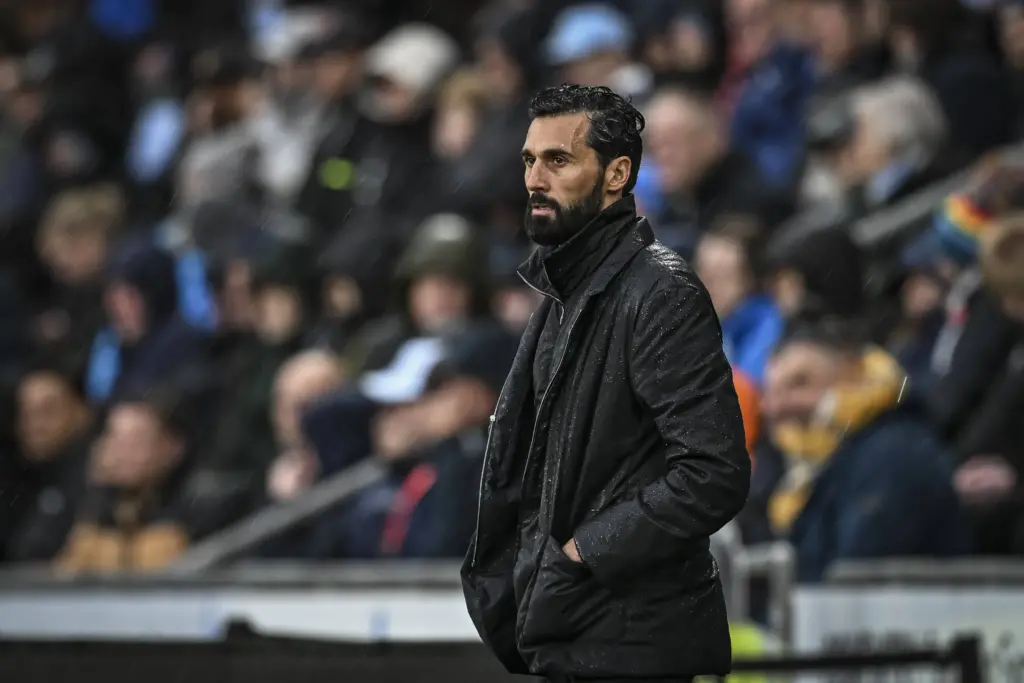
Next Manchester United Manager: The Recruitment Power Struggle That Could Complicate Eddie Howe’s Appointment
It remains to be seen whether the Red Devils’ hierarchy will grant the next Manchester United manager greater authority over the club’s transfer decisions, a level of control that has largely been absent under previous coaches. Unlike clubs that give their managers significant influence over recruitment, United have adopted a more structured approach in which responsibility is shared between the head coach, senior football executives and the scouting department.
This could present another potential problem if the Eddie Howe to Manchester United appointment is completed. The Englishman has traditionally taken a hands-on approach to identifying players and shaping his squad, but Manchester United’s recruitment system places greater emphasis on collective decision-making rather than allowing the head coach to dictate transfer targets.
At Newcastle United, Howe worked closely with the recruitment team to identify players suited to his tactical approach, helping the club assemble a competitive squad despite financial restrictions. However, reports suggest that growing tensions over transfer policy, particularly his diminishing influence over recruitment decisions, were among the key factors behind his departure from St James’ Park.
This raises questions about how comfortable he would be working within a system where the head coach does not necessarily have the final say on transfers. At Manchester United, Jason Wilcox oversees football operations and recruitment strategy, while Christopher Vivell leads the club’s recruitment department. This structure is designed to ensure that transfers align with the club’s long-term plans rather than being dictated solely by the preferences of the first-team coach.
The challenge now is finding the right balance between Howe’s ideas and the club’s recruitment philosophy. If he becomes Michael Carrick’s replacement but is expected to work with players he believes don’t fit his system, or who were selected without sufficient input from him, disagreements over tactics and squad suitability could emerge. Also, giving him extensive control over transfers could undermine the structure INEOS has worked to establish. Either scenario risks creating tension behind the scenes, distracting from the task of rebuilding the team.
Extra Times Notes
Eddie Howe is not the only name being mentioned in discussions surrounding Michael Carrick’s replacement, should Manchester United decide to make a change in the dugout. Julian Nagelsmann and Antonio Conte have also been earmarked as potential candidates, with reports linking both coaches to become the next Manchester United manager. While each brings a different managerial philosophy and level of experience, their potential appointments would come with their own challenges.
However, regardless of who eventually succeeds Carrick, the question of transfer control remains a significant concern. Both Nagelsmann and Conte would need to work within United’s existing recruitment structure, potentially creating similar disagreements over player selection and squad building. For a club attempting to establish long-term stability, appointing a manager without clearly defining their authority over transfers could create unnecessary friction, regardless of the candidate’s tactical ability or managerial reputation.
More Premier League News
Manchester United vs Bournemouth: Three Key Battles For 2026/27 Premier League Clash
Liverpool vs Brighton: Three Key Battles To Watch for 2026/27 Premier League Clash