
A lack of Kai Havertz’s creative spark saw Arsenal’s momentum this season hit a sudden snag on Thursday night as the Gunners were held to a 1-1 draw against Brentford.
This game exposed why Arsenal struggle without Kai Havertz’s creative spark and raised questions about their attacking identity at a pivotal stage of the title race.
Arsenal took the lead through a header by Noni Madueke in the 61st minute, but Brentford responded when Keane Lewis-Potter headed home from a long throw just 10 minutes later.
The result prevented Arsenal from extending their lead at the top of the table and marked the first dropped points after a short period of encouraging attacking performances.
Kai Havertz’s Creative Spark: Hit With Fresh New Injury
Earlier in the week, manager Mikel Arteta confirmed that Kai Havertz would miss the Brentford match and likely several other games with a fresh muscular injury sustained after Arsenal’s previous fixture.
Havertz’s unavailability came at a crucial point as the German had recently returned to the side after a lengthy absence earlier in the season and had contributed positively before this setback.
The sequence of events, improvement in attacking rhythm followed by the loss of his presence, underlines why Arsenal struggle without Kai Havertz’s creative spark.
His movement threatened compact defensive shapes, and his absence forced Arsenal into a more predictable build-up.
Lack Of Kai Havertz’s Creative Spark: Wasteful In The Final Third
Without Havertz’s ability to occupy defenders between the lines, Arsenal struggled to create clear opportunities against Brentford’s well-organised defence.
The Gunners had territorial dominance in parts, but their attacking play lacked the sharp vertical passes and dynamic movement that had defined their previous attacking spells this season.
Brentford’s equaliser came from a set-piece rather than open play, reflecting the lack of clear-cut chances that Arsenal’s frontmen were able to fashion on the night. Despite seeing more of the ball, chances worth a high expected goals value were scarce.
YOU MAY ALSO LIKE: Nottingham Forest Managerial Chaos: The Explosive Pattern Of Sackings That’s Sinking Their Season
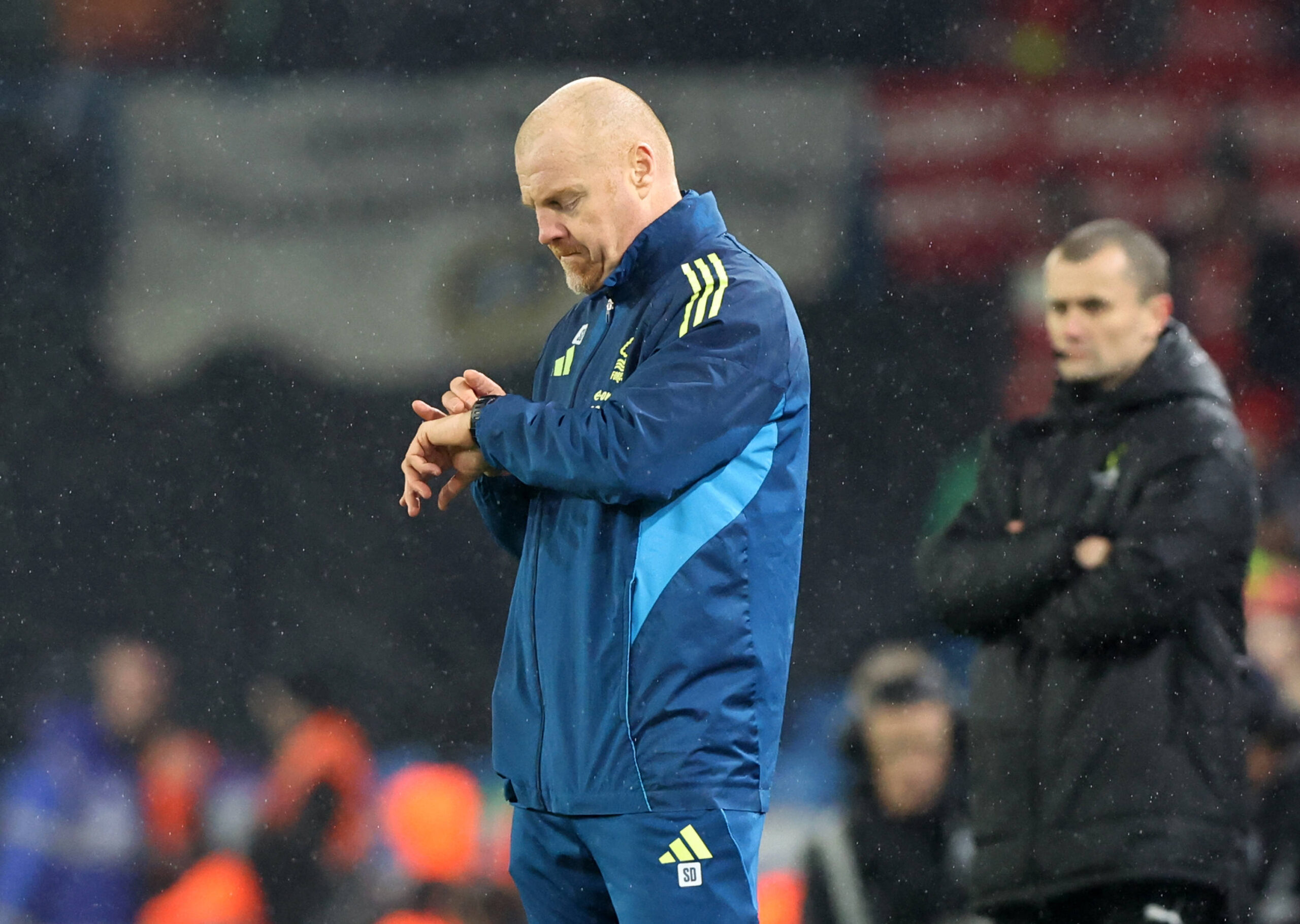
Kai Havertz’s Creative Spark: Player Performances Highlight Creative Drop
Key attacking players such as Viktor Gyokeres and Gabriel Martinelli had moments of promise but were ultimately unable to force decisive situations in the opposition penalty area.
Madueke’s involvement led to Arsenal’s opening goal with a well-timed header, but beyond that moment, opportunities were hard to come by.
Captain Martin Odegaard attempted to fill the Kai Havertz creative void but lacked the penetrating forward option Havertz provided, often recycling possession rather than breaking defensive lines.
Bukayo Saka, returning from injury, was tightly marked and seldom able to exploit space behind Brentford’s lines.
Tactical Implications Due To Kai Havertz’s Injury
Arteta acknowledged after the match that his side had failed to handle aspects of the game, particularly set pieces and the physical intensity of Brentford’s play, but the attack’s lack of rhythm was equally notable.
Without a central figure able to consistently drag defenders out of position or link the midfield and attack with quick combinations, Arsenal’s approach turned more lateral than vertical.
This tactical rigidity partly explains why Arsenal struggle without Kai Havertz’s creative spark, as opponents now have less to fear from Arsenal’s central threat and can afford to crowd the midfield block.
The draw leaves Arsenal four points clear at the top as Manchester City shortened the gap after their midweek fixture.
With a North London derby against Tottenham Hotspur and other crucial league matches looming, Arsenal’s inability to turn territory into goals may become a more significant concern if Kai Havertz’s injury problems continue.
Kai Havertz’s Creative Spark: What Needs To Change
For Arsenal, to mitigate the impact of missing out on Kai Havertz’s creative spark, they may need to adjust their attacking strategy.
This could involve greater forward runs from midfield to provide true vertical threats, more direct service into the box rather than reliance on patient build-up, and deploying attackers in patterns that confuse markers and create mismatches.
Simply maintaining possession will no longer be sufficient in tight games against teams that defend deep and compact.
Arsenal’s 1-1 draw at Brentford is a clear case study in why Arsenal struggle without Kai Havertz’s creative spark.
His absence did not just remove a goal threat; it removed a tactical catalyst that gave structure and unpredictability to Arsenal’s attack.
As the title race narrows and fixtures intensify, finding solutions to this shortfall could determine whether Arsenal can still sustain their push for the Premier League crown.
Main Photo
Credit: IMAGO/Pro Sports Images
Recording Date: 07.02.2026