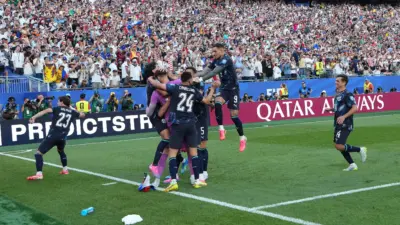

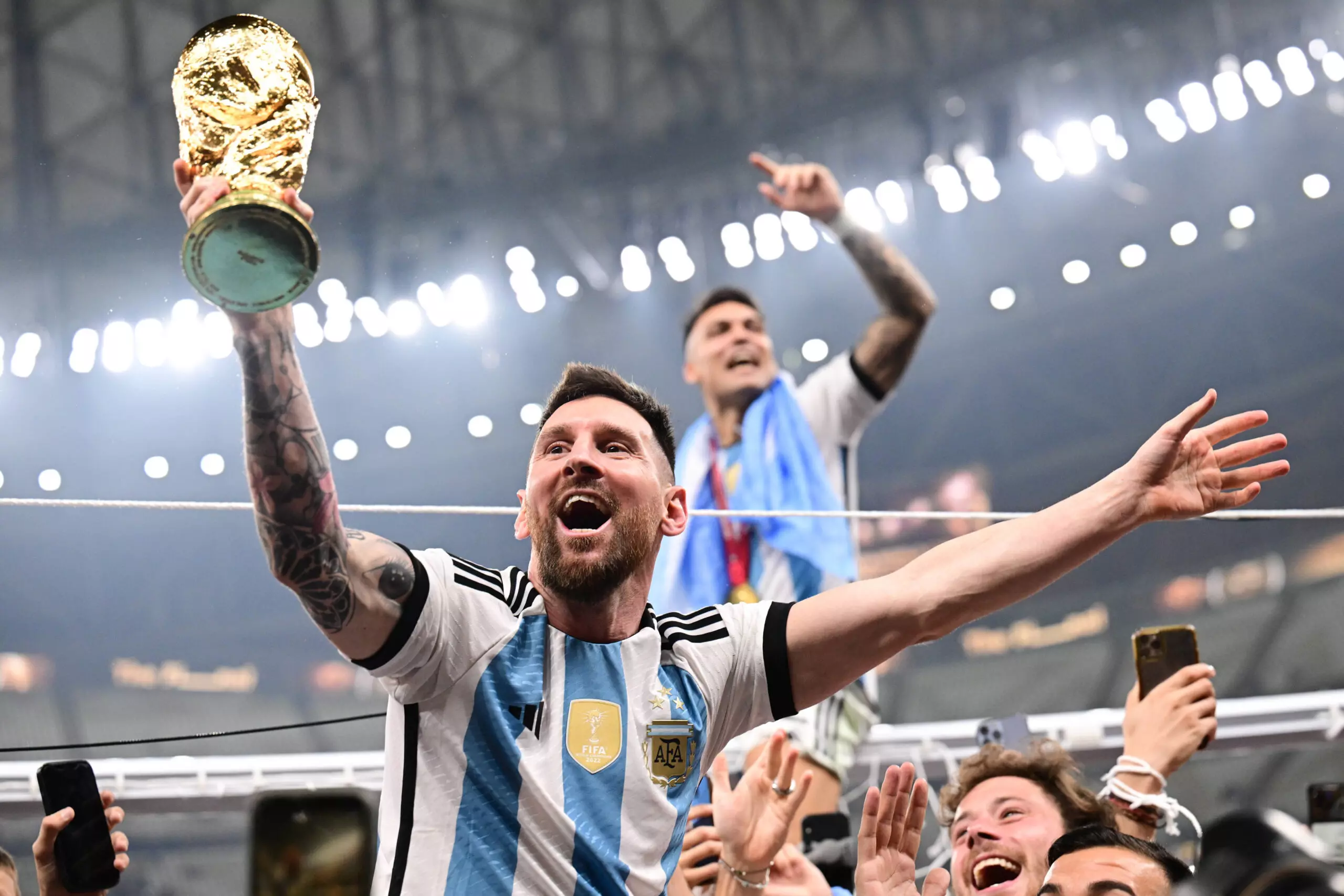
The FIFA World Cup is not just a tournament; it’s a phenomenon that has captured the hearts of millions across the globe. From the thunderous cheers of fans in packed stadiums to the emotional displays of players on the pitch, there are countless memorable World Cup moments.
These instances not only shape the narratives of the tournament but also significantly influence the realm of sports entertainment.
Historic Upsets: When Underdogs Roar
One of the defining features of the World Cup is its ability to deliver shocking upsets that rewrite the scripts of the tournament. Take the 2006 World Cup, for instance, when Italy triumphed over France in a nail-biting penalty shootout. This match not only showcased the skill and resilience of both teams but also highlighted how the World Cup can elevate an underdog to legendary status. Stories like Italy’s triumph resonate with fans and inspire countless documentaries and analysis pieces, further enriching the sports entertainment landscape.
Upsets like these create moments that live on in the sports lore, captivating audiences for generations. They serve as reminders that anything can happen in football, keeping viewers glued to their screens. This unpredictability is one of the reasons sports entertainment continues to thrive and evolve, drawing in new fans every four years.
10 of the Biggest World Cup Upsets
-
USA 1–0 England (1950, group stage): An American team of part-timers stunned one of the pre‑tournament favourites in Belo Horizonte in what is still often called the “Miracle on Grass.”
-
West Germany 3–2 Hungary (1954, final): Hungary’s “Mighty Magyars” were heavy favourites after going unbeaten for years and thrashing West Germany 8–3 in the group, but lost the final in the “Miracle of Bern.” For many, this was considered ‘match-fixing’.
-
North Korea 1–0 Italy (1966, group stage): Tournament debutants North Korea shocked two‑time champions Italy and advanced to the quarterfinals, one of the earliest giant‑killings from Asia.
-
Algeria 2–1 West Germany (1982, group stage): World Cup newcomers Algeria beat a West German side considered one of the favourites, a result still remembered as a landmark African win.
-
Cameroon 1–0 Argentina (1990, group stage): Defending champions Argentina, with Diego Maradona, were beaten by a rugged Cameroon team that finished with nine men but held on for a famous opening‑match win.
-
Senegal 1–0 France (2002, group stage): On their World Cup debut, Senegal upset reigning champions France in the opening game, signalling the end of France’s golden cycle and the rise of a new African force.
-
South Korea 2–1 Italy (2002, round of 16): Co‑hosts South Korea eliminated three‑time champions Italy in extra time amid major controversy over refereeing decisions, one of the tournament’s most debated upsets.
-
South Africa 2–1 France (2010, group stage): Hosts South Africa, ranked far below France, beat the 2006 runners‑up in a chaotic French campaign, even though the result was not enough for the hosts to advance.
9–10: Modern seismic shocks
-
Saudi Arabia 2–1 Argentina (2022, group stage): Saudi Arabia came from behind to beat an Argentina side on a 36‑match unbeaten run and widely tipped to win the tournament, instantly entering upset folklore.
-
Brazil 1–7 Germany (2014, semi‑final): Not a classic underdog win in terms of pedigree, but the scale of Germany’s demolition of host and five‑time champion Brazil in Belo Horizonte is widely described as one of the most shocking scorelines ever.
Iconic Goals That Define Careers
It’s not just the matches themselves; it’s also the spectacular goals that echo through time. Think of Diego Maradona’s “Hand of God” goal in 1986, which remains etched in the memory of football fans worldwide. This moment wasn’t merely about the goal itself; it was about what it represented—the spirit of the game, the drama, and the sheer unpredictability of sport. Such moments have a ripple effect, inspiring a myriad of commercials, films, and even books, which showcase the cultural significance of these events.
These iconic goals bring drama to sports entertainment, prompting discussions and debates that engage audiences long after the final whistle. They fuel the passion of fans, making tournaments like the World Cup a hot topic of conversation in homes and pubs alike.
The Role of Technology in Enhancing the Experience
With the rise of technology, the way we consume and interact with sports has transformed dramatically. From VAR to enhanced viewing experiences through augmented reality, technology has revolutionized our connection to the game. During the 2018 World Cup, VAR made its debut, igniting discussions about fairness and accuracy in officiating. This innovation created a new layer of anticipation and excitement for fans as they experienced the match through a more analytical lens.
Moreover, streaming services and experience-driven platforms have made it easier for fans to access matches from anywhere in the world. Such innovations not only enhance the viewing experience but also contribute to the broader landscape of sports entertainment by creating a more immersive environment for fans.
Cultural Impact: Bridging Divides
The World Cup is a unifying force, transcending cultural, geographic, and linguistic barriers. The 1994 tournament in the United States marked a significant moment, as it introduced football to a new football audience and set the stage for the sport’s growth in North America. These tournaments have the power to create connections between people who might otherwise never interact. The magic of a World Cup can bring together fans from all walks of life, fostering a sense of community and shared passion.
Furthermore, these events often serve as platforms for social change. Players and fans alike use the visibility of the World Cup to advocate for important issues, from human rights to environmental awareness. The cultural significance of these moments extends far beyond the pitch, influencing society and the sports industry in ways that resonate long after the final match is played.
World Cup Legacy and Preparing for the Future
As we look toward future tournaments, the legacy of previous World Cups continues to shape the landscape of sports entertainment. Each tournament leaves behind a wealth of stories, rivalries, and moments that are revisited and celebrated. The 2022 World Cup in Qatar, for instance, is set to introduce new narratives and unforgettable moments that will impact generations to come.
The excitement built around the World Cup fosters an environment where innovation thrives. From grassroots initiatives to cutting-edge broadcasting technology, the influence of the tournament promotes a culture of creativity and enthusiasm in the sports industry.
Conclusion: The Everlasting Impact of World Cup Moments
The FIFA World Cup is more than a series of football matches; it’s a cultural phenomenon that shapes the world of sports entertainment. Through unforgettable moments, shocking upsets, and iconic goals, the tournament has left an indelible mark on fans and players alike. As technology continues to evolve and the world of sports shifts, the spirit of the World Cup will undoubtedly thrive, continuously inspiring and uniting people across the globe.
For a deeper dive into the statistics and cultural significance of the World Cup, visit Forbes for insights that explore its impact beyond the pitch.
main image credit: IMAGO / Ulmer/Teamfoto