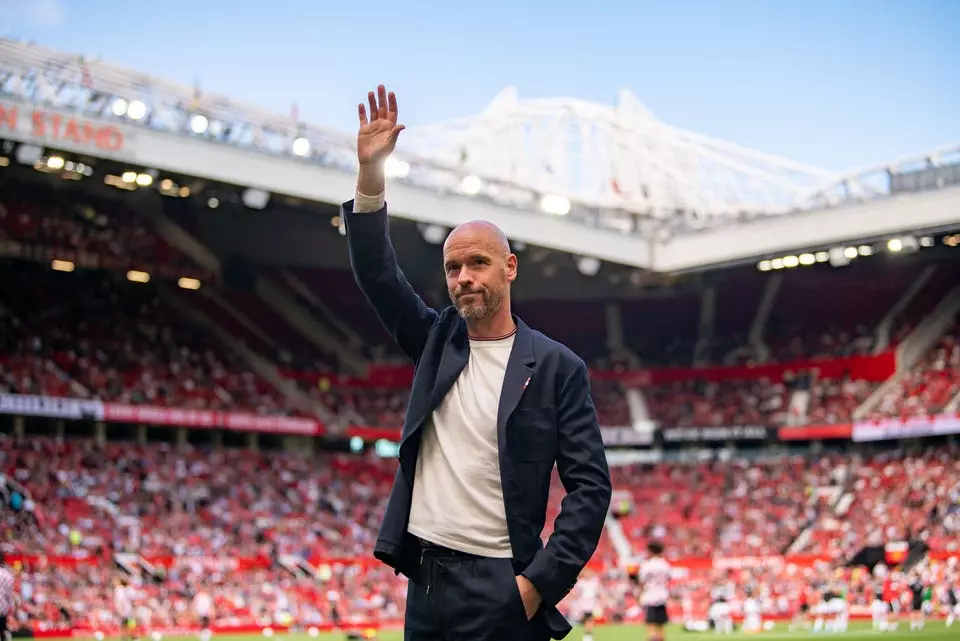

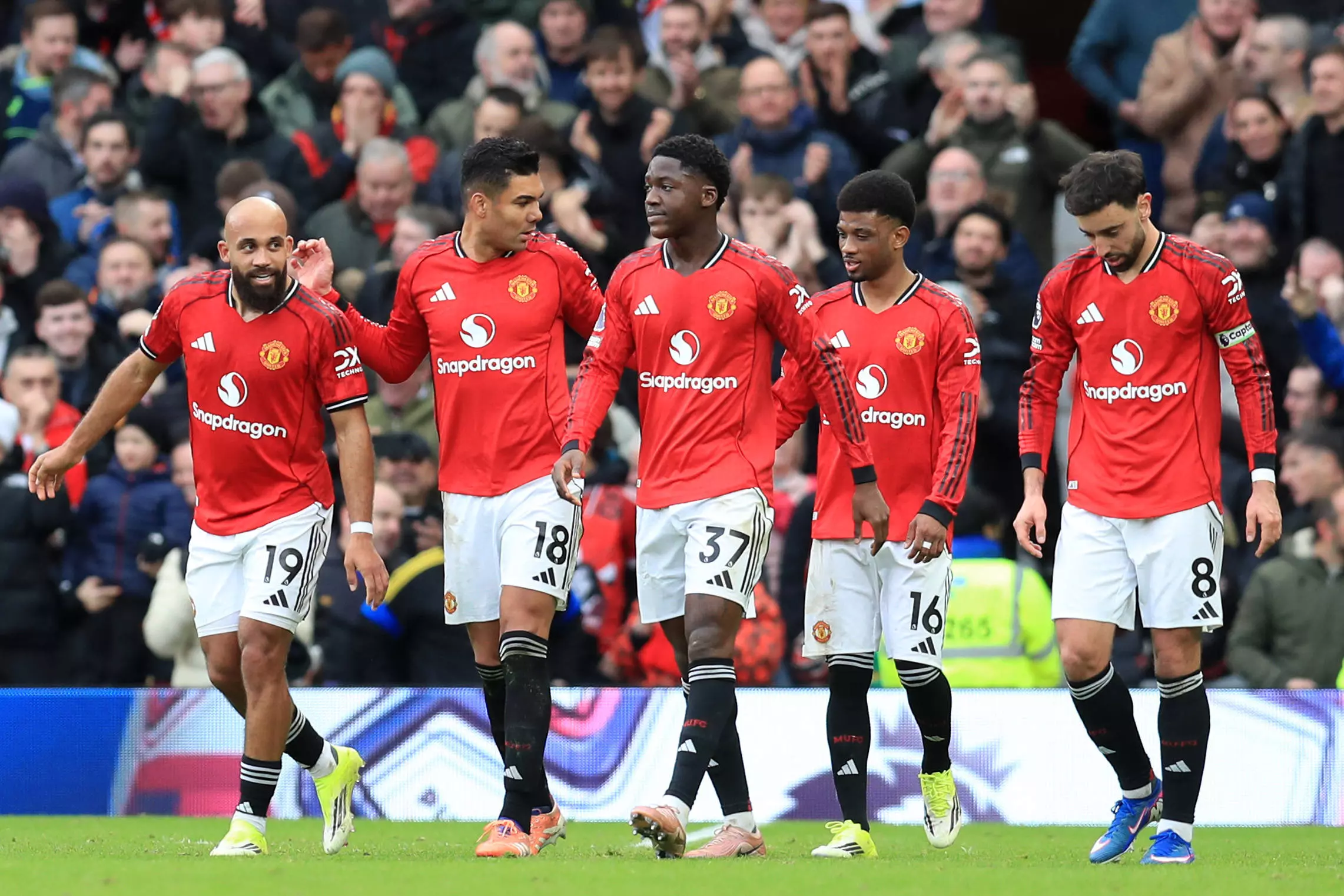
Old Trafford can usually tell early whether a new era is real or simply loud, and Manchester United wins derby 2-0 in a way that sounded like purpose rather than noise. After Michael Carrick was appointed interim manager with Ruben Amorim outgoing, his first game in charge came with the toughest possible test—Manchester City—and the opening message was unmistakable: Carrick leads derby win by setting the tone, not surviving the occasion.
From the first whistle, the plan was obvious—and United carried it out. Manchester United’s intensity was not just talk; it was how they played. They fought for every second ball, pounced on every loose touch, and attacked with purpose. Whenever City tried to slow the game down and regain control, United kept the tempo high and the pressure constant. That is how Manchester United wins derby in a way that makes people believe, while also making them wonder what comes next.
Because even after the result is secure, the bigger question remains. When Manchester United wins a derby like this, it is easy to put it down to emotion and adrenaline. But United fans will frame it more sharply: is this simply a one-off new manager bounce, or the first sign of something that can last?
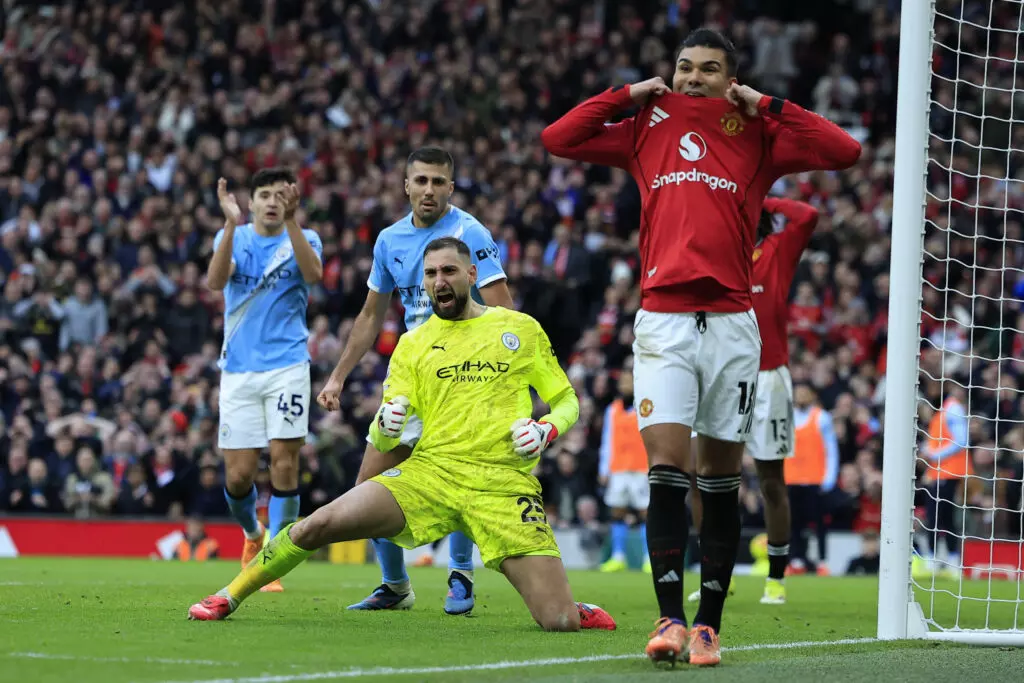
Manchester United Wins Derby with a Surge in Intensity
The clearest shift was in how United treated the messy parts of the match. They did not wait for City to make mistakes; they tried to manufacture them. Every clearance became a contest, every ricochet became a sprint, and Manchester United’s intensity turned the in-between moments into a battlefield that United were determined to own.
United’s midfield and front line hunted second balls like they were chances on goal, collapsing quickly to swarm the landing zone and force City into hurried decisions. It was not pressing for show. It was pressure with a purpose: win it back, and play forward before City could reset. That urgency is a major reason carrick leads derby win on day one; it gave United a clear identity within the chaos.
That intensity also fed the crowd. Old Trafford responded to the tackles, the recoveries, and the little moments of aggression that rarely make highlight reels but decide whether Manchester United wins derby on your terms or your rival’s.
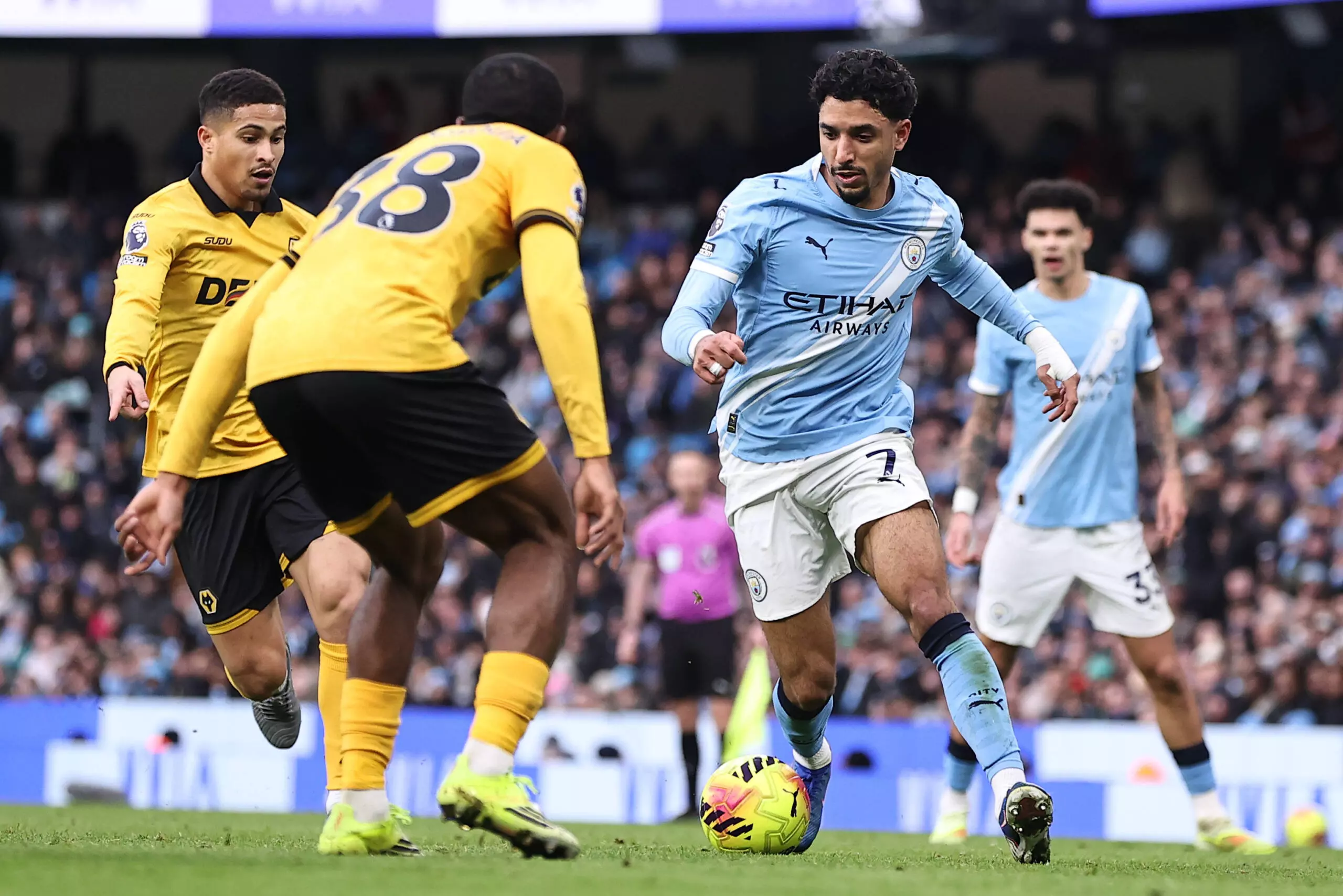
City can dominate the ball and still lose, but it rarely looks this one-sided in terms of threat. Despite Manchester City finishing on 68% possession, the game’s danger kept swinging back toward their own penalty area. United created the moments that mattered, and the scoreline only tells part of the story because United disallowed goals kept interrupting the noise of celebration.
Donnarumma’s afternoon underlined it. He finished with five saves, proof that United were not shooting for the sake of it—they were repeatedly getting into positions where the goalkeeper had to work. United hit the woodwork twice and, crucially, United’s disallowed goals changed the feel of the contest: the threat was constant, the margins were brutal, and City were forced to defend their own goal more often than their possession suggested.
And if the match felt like it was played at United’s speed rather than City’s, the defensive output explains why. United registered 22 tackles to City’s 12, a blunt but revealing measure of Manchester United intensity. They were first into contact, quicker to loose balls, and more willing to turn every City possession into a physical and mental contest. That is how it ended up with City holding the ball, yet United holding the initiative—and how Manchester United wins derby without needing to dominate possession.
United disallowed goals as a tactical clue, not a flaw
If United’s intensity set the tone, the offside chaos revealed the idea behind it. Three times Old Trafford thought it had seen a goal, and three times the flag dragged the moment back—Amad Diallo, Bruno Fernandes, and later Mason Mount all had finishes ruled out. Those United disallowed goals were not just frustration; they were evidence of how aggressively United tried to run beyond City’s line.
It is easy to file that under sloppiness, but it can also be read as intent. Teams that want to play safe rarely live on that edge. Carrick’s early United repeatedly tried to turn transitions into straight-line threats, repeatedly attacked the space behind City, and repeatedly arrived in behind quickly enough that the difference between reward and reset came down to inches. The offsides were the cost of playing with that kind of vertical aggression. The pattern in the United’s disallowed goals hinted at instruction: stretch the line, force recovery runs, make the game uncomfortable.
In that sense, the match contained a clear tactical tell. Carrick leads Derby win without trying to out-pass City for long spells; he tried to stress them. The upside is obvious too: when the timing improved, the goals finally counted—and Manchester United wins derby with a decisiveness that made the afternoon feel bigger than a single result.#
New manager bounce or blueprint?
This is the part that always arrives after a derby win: the temptation to treat one electric afternoon as a turning point by default. United have seen new manager bounce performances before—90 minutes of adrenaline, sharpness, and collective buy-in that fades once opponents adjust, and the calendar tightens. When Manchester United wins derby, it is easy to confuse the rush with a roadmap.
But the encouraging detail here is that the win carried signs of something repeatable. Manchester United intensity looked organised rather than chaotic. The forward play was direct rather than desperate.
The pattern behind the United’s disallowed goals hinted at a clear attacking instruction: run beyond, threaten space, keep the opponent defending their own goal. Those are not traits you stumble into; they are choices—and choices can become habits.
The question now is whether Carrick can turn that choice into a baseline. If this energy becomes normal—if Manchester United intensity stays high, if United disallowed goals turn into counted goals as timing sharpens, and if the ideas hold even when the initial buzz fades—then this will not be remembered as a new manager bounce. It will be remembered as the first outline of an identity, and as the day Carrick led the derby to a win that announced the direction.