

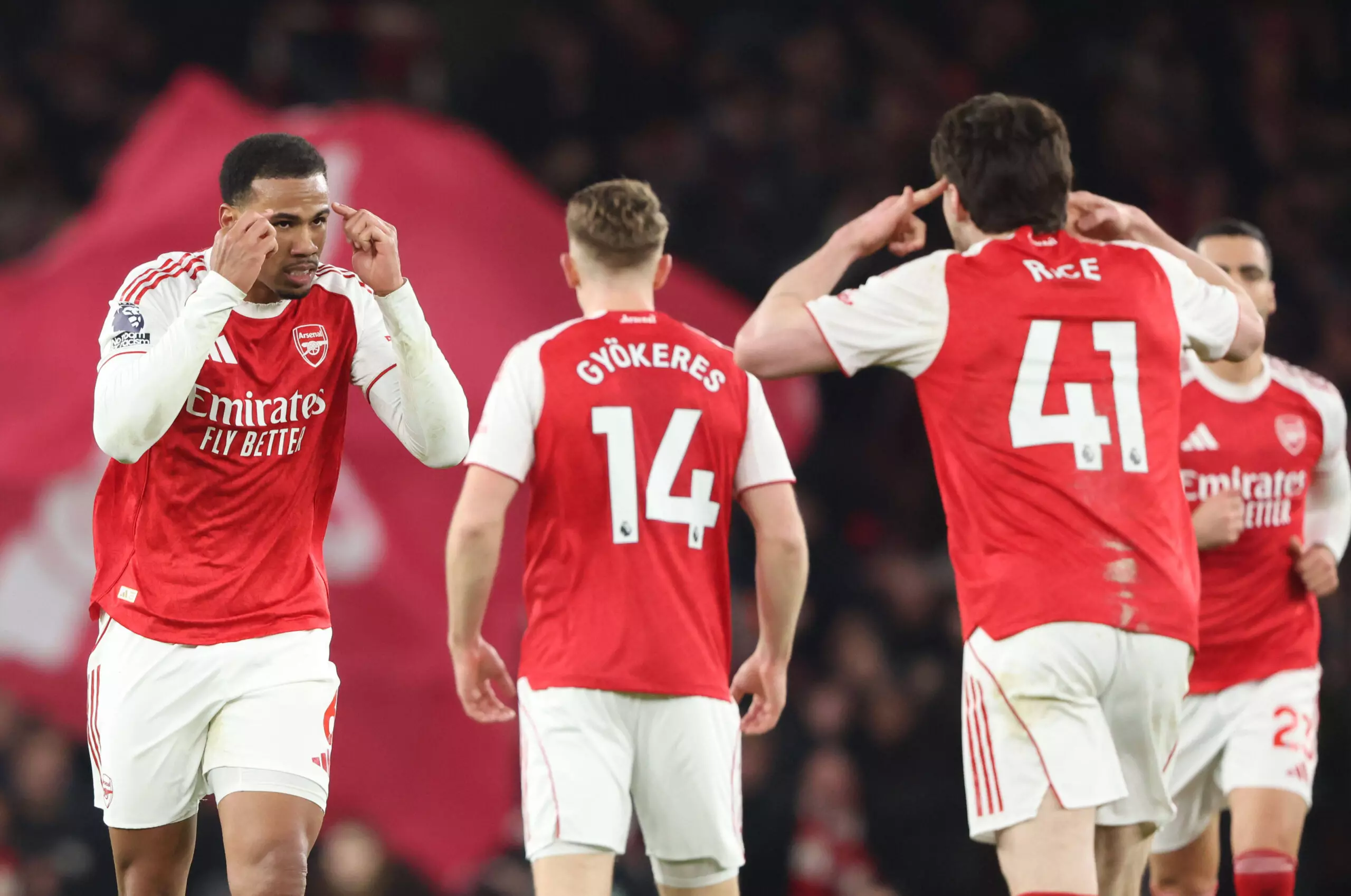
Arsenal’s defence this season remains one of the strongest in the Premier League. They have conceded very few goals, kept multiple clean sheets, and make it difficult for opponents to create high-quality chances. Despite these numbers, the feeling of defensive invincibility that defined the early months has faded.
The reason for this lies in Arsenal’s defensive transition struggles, the moments immediately after losing possession that can leave the defence temporarily exposed.
What Are Arsenal’s Defensive Transition Struggles?
Defensive transitions refer to how a team reorganises when the ball is lost. In the early part of the season, Arsenal were almost flawless in this phase.
Their press was coordinated, recovery runs were compact, and opponents rarely exploited gaps after turnovers. This high level of organisation helped Arsenal concede very few goals and gave the impression that their defence was untouchable.
Arsenal’s defensive transition struggles were minimal, and their back line could respond quickly to counterattacks or sudden opposition breaks.
Why These Struggles Are More Noticeable Now
Over time, Arsenal’s defensive transition struggles have become slightly more visible. One major reason is that opponents have adapted to Arsenal’s style. Teams now use quick switches, long passes, and rapid counterattacks to bypass the press.
These tactics force Arsenal to react in less predictable scenarios, testing their defensive organisation in ways that were rare earlier in the season. While the defence remains strong, these moments show that even elite teams can be challenged during transitions.
Another contributing factor is the freedom given to full-backs. Arsenal full-backs now have more liberty to roam in possession. They sometimes tuck inside to support the midfield, sometimes overlap on the wings, and sometimes hold wide positions.
This unpredictability increases attacking options but can affect defensive shape when the ball is lost. During transitions, the back line must adjust to full-back movements, which can create temporary gaps and make Arsenal’s defensive transition struggles slightly more frequent.
A small but important point is the role of the midfield during defensive transitions. When possession is lost, midfielders must quickly drop back to protect the back line. Arsenal’s midfielders are highly skilled, but the team’s aggressive style means they are often further up the pitch when possession is lost.
This creates small pockets of space for opponents to exploit. While these situations rarely lead to high-quality chances, they do highlight why Arsenal’s defensive transition struggles are noticeable even in matches the team dominates.
YOU MAY ALSO LIKE: Is The Fixture Congestion Crisis Breaking Modern Football?
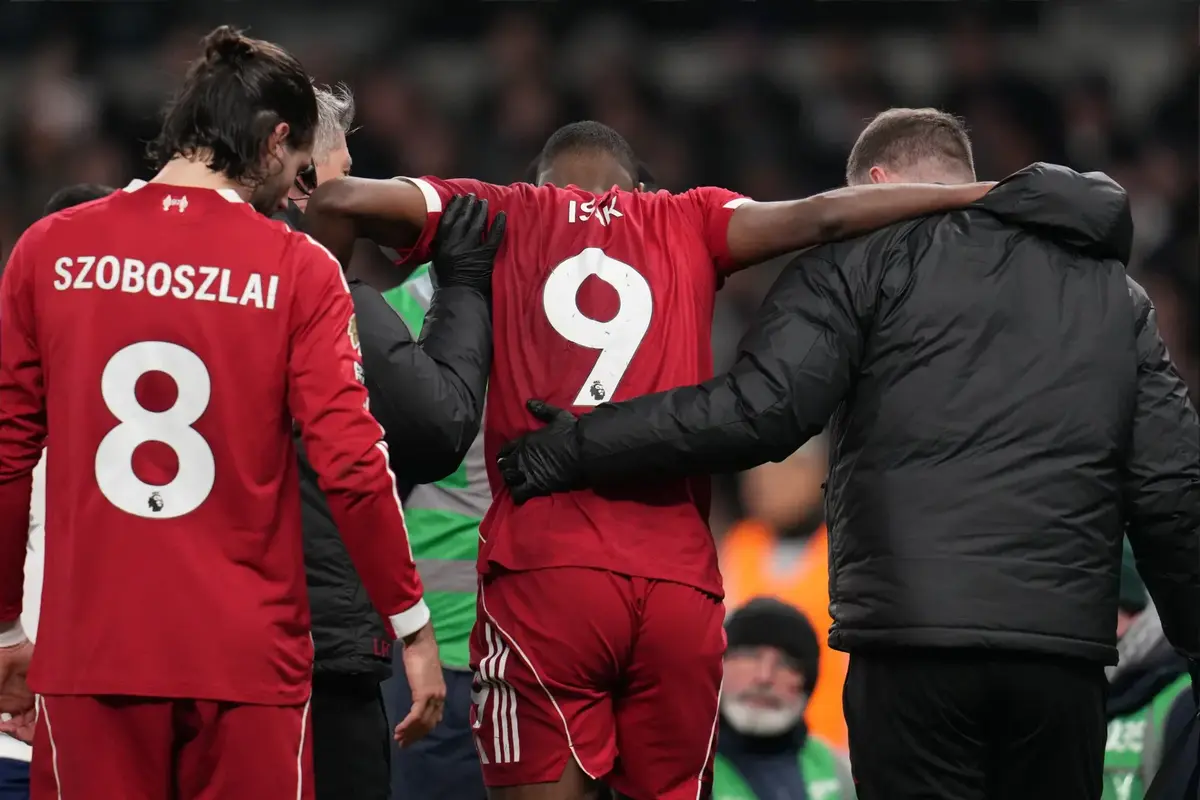
(Photo by Harvey Murphy/News Images)
Arsenal’s Defence Remains Elite
Even with these minor struggles, Arsenal remain one of the Premier League’s top defensive sides. They still concede fewer goals than any team. Their defensive numbers remain among the league’s best, and they continue to prevent high-quality chances from developing.
The back line is disciplined, the midfield provides effective cover, and the team reacts well to transitional moments. The visibility of Arsenal’s defensive transition struggles does not indicate a drop in quality but reflects the team facing more varied tactical scenarios.
The Difference Between Invincibility and Consistent Excellence
The concept of defensive invincibility comes from the period when Arsenal dominated both with and without the ball, producing long streaks without conceding.
Arsenal’s defensive transition struggles do not indicate weakness. Instead, they highlight that the team is being tested under more complex circumstances. Open play is faster, counters are more direct, and positional freedom in attack can temporarily affect defensive shape.
Managing these moments effectively while maintaining aggressive, possession-based play is a sign of elite defensive organisation.
Arsenal’s defensive transition struggles are minor but noticeable. The defence remains one of the best in the league and continues to prevent high-quality chances consistently. These struggles stem from smarter opposition, tactical freedom for attacking players, and more challenging transitional situations.
Arsenal continue to perform at a high level, and addressing these defensive transition moments will only strengthen an already elite back line. The evolution of Arsenal defensive transition struggles reflects a team that is disciplined, adaptable, and capable of maintaining excellence even under varied tactical pressures.
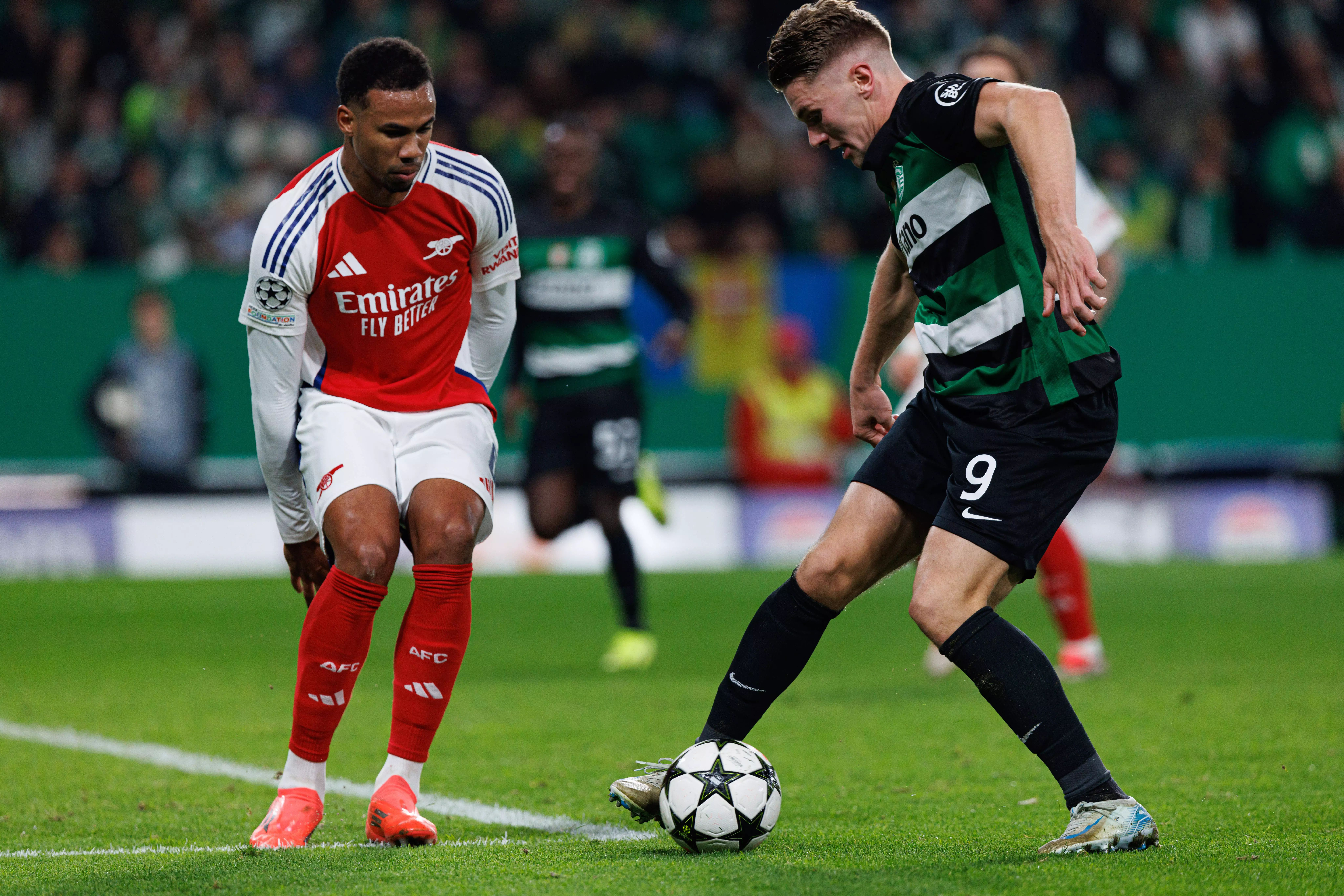
Main Photo
Credit: IMAGO / Paul Marriott
Recording Date: 25.01.2026

Leave a Reply