

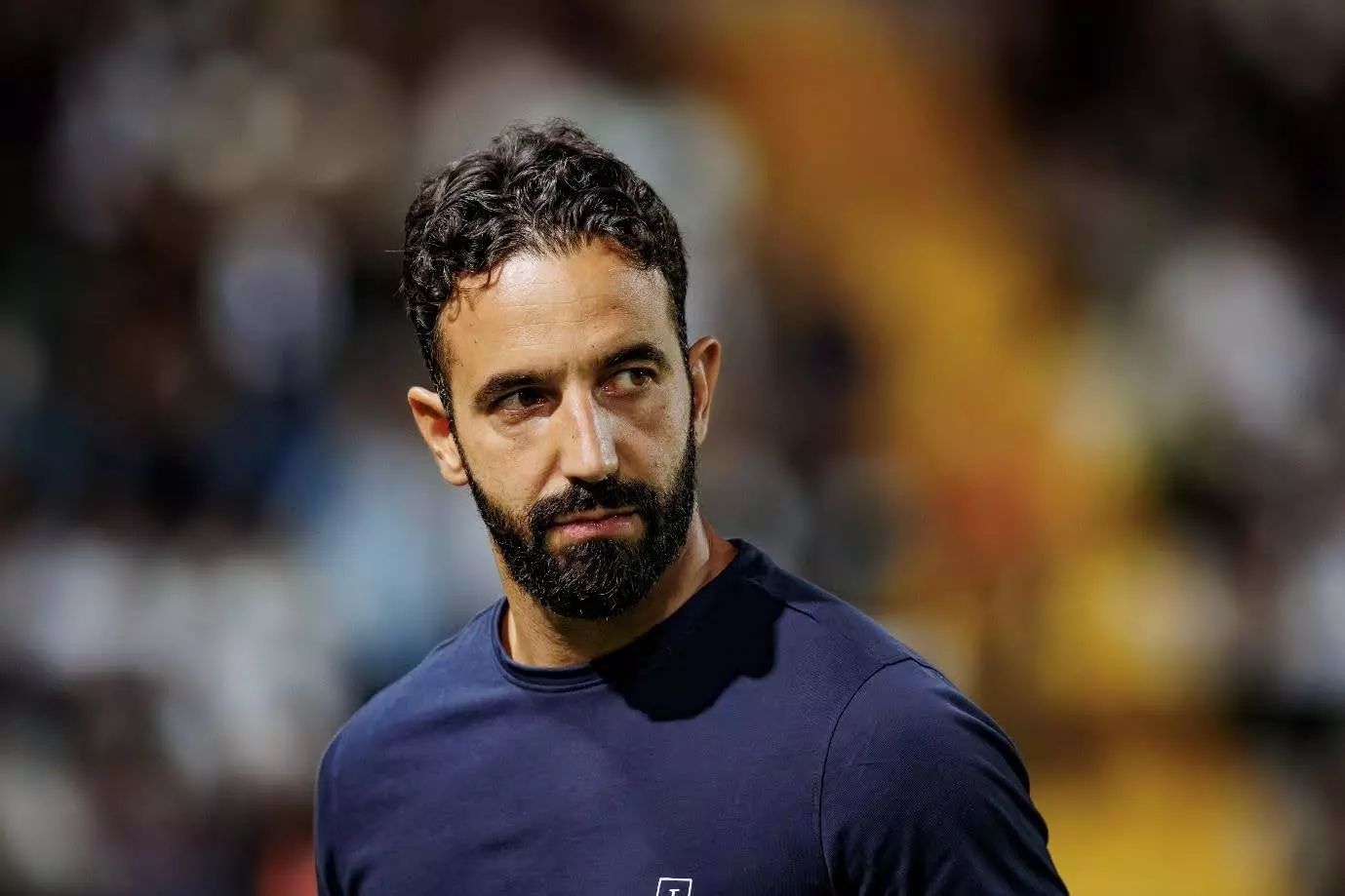
When Ruben Amorim was appointed Manchester United manager, the club seemed to be trying something different. His work at Sporting Lisbon had been impressive. He arrived with a clear tactical identity, a strong reputation for developing players and a calm authority that suggested long-term thinking – enough to shift early Premier League betting expectations around United’s direction.
What followed was the same old story. Amorim didn’t lose his job because of one poor run or a single mistake. Instead, a series of issues combined to make his position untenable.
A System That Never Worked
Amorim arrived at Old Trafford with big expectations and a reputation for structure. But fitting that approach to a squad assembled for a different style proved difficult. His preferred 3-4-3 (and 3-4-2-1) system requires centre-backs who are comfortable defending wide, wing-backs who can provide constant width and recover quickly, and midfielders who can control space without protection.
United’s squad lacked both the personnel and cohesion to make it work consistently in the Premier League’s relentless schedule.
There was also a clear reluctance from Amorim to move away from his principles, despite mounting evidence that it wasn’t clicking with the squad he had.
That rigidity extended to the training ground. Some players described sessions as “boring”. While Amorim believed consistency would eventually bring clarity, the mood within the group drifted in the opposite direction.
Mixed Results
Results never gave Amorim the platform he needed. United won just 32% of their matches under his management – a return that left little room for patience in a season already short on margin for error and one that inevitably began to influence Premier League relegation odds in uncomfortable ways.
There were brief moments that hinted at progress. A four-game unbeaten run between Gameweeks 13 and 16 offered a recent lift, including a convincing 4-1 victory over Wolves, which suggested his ideas might be starting to take hold. During that spell, United looked more settled, with clearer roles and better control.
That momentum didn’t last. United hadn’t won a game since Boxing Day 2025. Performances quickly began to unravel again.
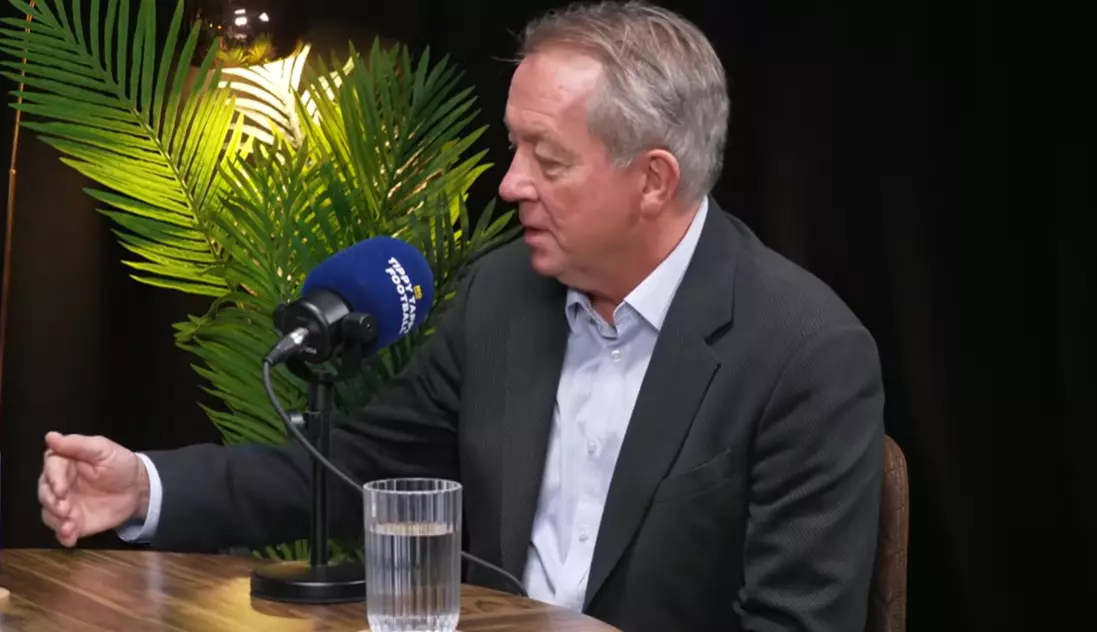
YOU MAY ALSO LIKE: Perfect for the Players, Perfect for the Board – Curbishley Says Carrick Is Buying United Time
A Disconnect
As results worsened, Amorim struggled to engage fully with both the squad and the supporters.
His public demeanour was often reserved, at times coming across as distant. Reports suggested some players found his approach to training and preparation too rigid and dismissive of feedback at times.
That detachment extended beyond the pitch. Amorim was reportedly unhappy with aspects of the club’s transfer strategy, feeling certain recruitment decisions didn’t align with the demands of his system. Those frustrations were never fully resolved and contributed to a disconnect between the manager, the squad and the wider club structure.
Breakdown in Relationships
Tension developed between Amorim and the club hierarchy, particularly with director of football Jason Wilcox.
After a 1-1 draw with Leeds United that left questions hanging over United’s momentum, Amorim publicly challenged the board’s investment and involvement in football matters.
That confrontation – where he demanded to be recognised as “manager, not coach” – was widely seen as a turning point. It signalled not just disagreement over tactics, but a breakdown in trust and communication.
Feature Image Stock ID: 2370630541

Leave a Reply