
Following the World Cup, Premier League fan culture has entered a new phase of transformation.
The tournament did not simply deliver iconic goals and national rivalries; it reshaped how supporters relate to players, clubs, and the league itself.
Fans now follow the Premier League through a more global, emotionally layered lens, shaped by national team narratives, player identities, and the shared cultural moments of the World Cup.
Digital media, stadiums, and fan communities all reflect this transformation. Once the World Cup is over, club loyalty is no longer the sole force shaping Premier League fan culture.
Instead, mixed identities emerge, as supporters remain emotionally attached to players they followed during the World Cup and continue to back them throughout the club season.
Premier League Fan Culture: Life After The World Cup And Global Identity
The rise of transnational fandom is one of the biggest changes in Premier League fan culture since the World Cup.
Fans are increasingly following individual players rather than clubs alone. A player who does well for their national team can quickly gain a global fan base, which then follows that player back to the Premier League.
The league’s global reach has made this trend stronger. Official data on the Premier League’s global audience shows that people from more than 180 countries now watch the games.
This process moves faster because the World Cup brings new fans to players who then become regulars in the Premier League.
So, after the World Cup, the Premier League fan culture is shaped more by shared international experiences than by customs that are only found in one country.
Premier League Fan Culture: Digital Communities
Digital spaces have amplified the transformation of Premier League fan culture after the World Cup.
Online communities now form around players, moments, and shared cultural references that transcend club boundaries.
Memes, highlight clips, and post-match debates often continue to reference World Cup performances months later, keeping international narratives alive within club contexts.
This digital blending has changed how supporters consume football content. Rather than following only club-focused channels, fans increasingly engage with global football discourse, tactical analysis, and international storytelling.
As a result, Premier League fan culture after the World Cup is shaped just as much by global football media ecosystems as it is by traditional local club cultures.
Premier League Fan Culture: Shifting Expectations
The post-World Cup environment has also reshaped expectations placed on Premier League players.
Supporters now judge performances through a global benchmark. Players who excelled on the world stage face heightened scrutiny at club level, while those who underperformed internationally may struggle to reset public perception.
This dynamic adds psychological pressure and reshapes how fans interpret consistency, form, and leadership.
This evolving expectation framework mirrors broader structural changes within English football.
An analysis of how competitive dynamics in the Premier League are shifting shows how global narratives increasingly influence domestic football culture.
YOU MAY ALSO LIKE: Arsenal’s Double Pivot: The Gunners’ Strong Midfield Approach Leading Them Towards The Title
Premier League Fan Culture: Stadium Behaviour
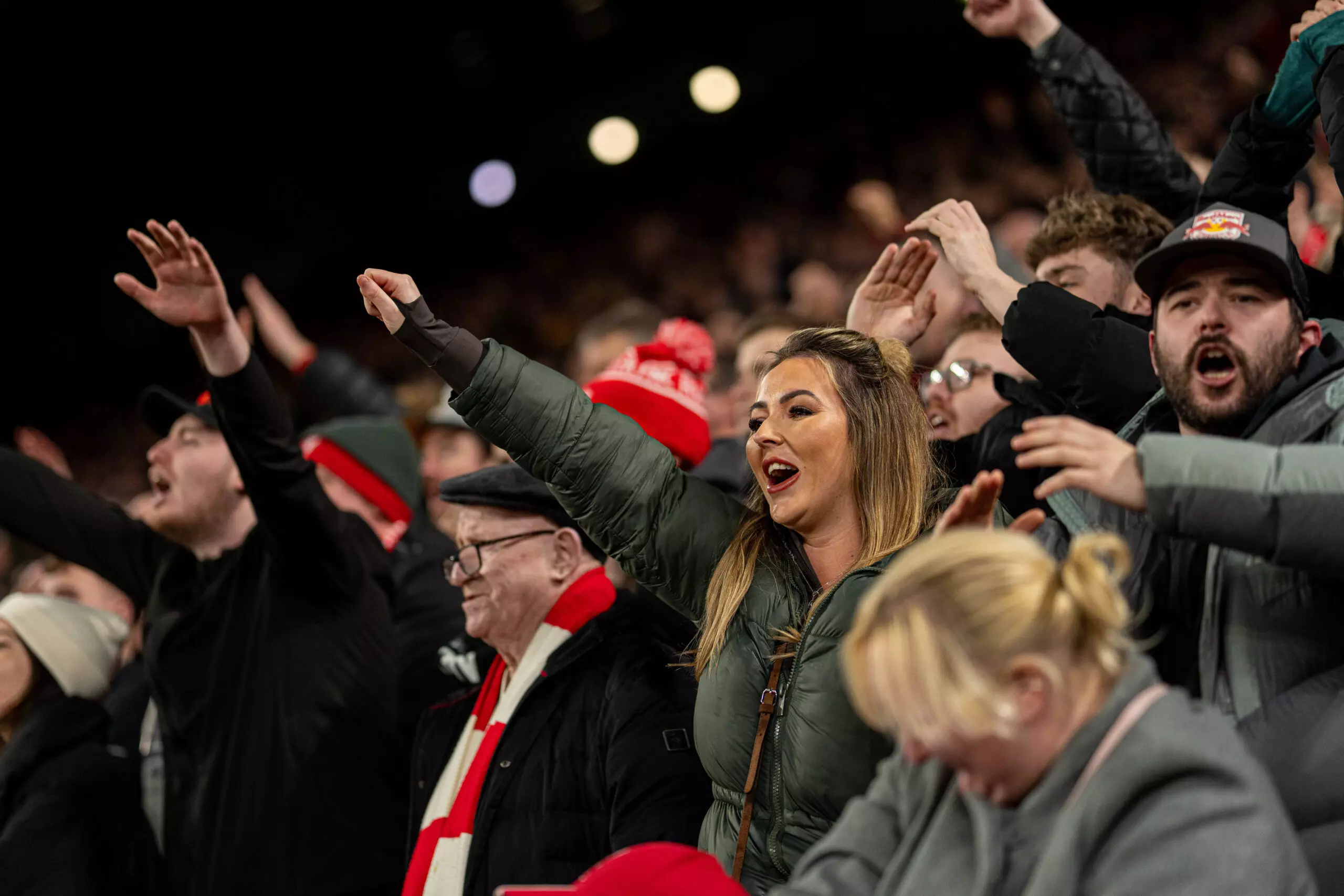
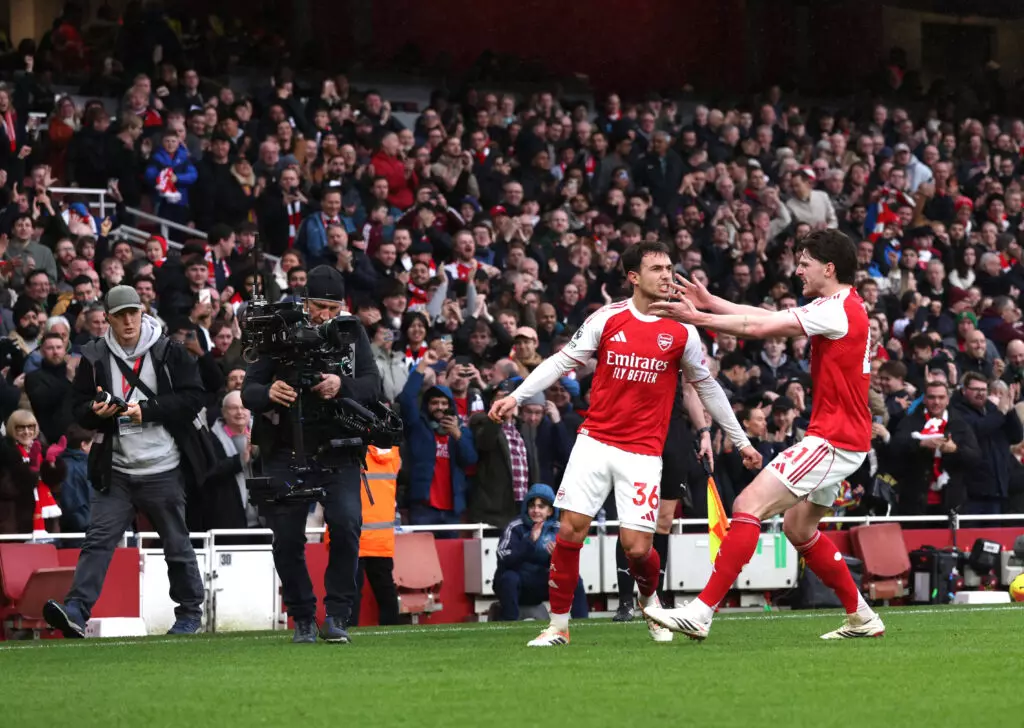
The transformation of Premier League fan culture after the World Cup is also visible inside stadiums.
Supporters now bring national team rituals, chants, and visual symbols back into club environments. Flags, colours, and references related to international tournaments are appearing more frequently in Premier League stands.
This blending of identities changes the emotional tone of matchdays. Stadium atmospheres now reflect a more globalised football culture, where club loyalty coexists with memories from international tournaments.
Sociological research on fan behaviour after major tournaments shows how global competitions reshape local fans’ rituals and emotional expressions over time.
This broadens rather than diminishes club identity, as a multi-layered expression of belonging that blends local custom with global football memory, Premier League stadiums are seeing fans bring new cultural references.
Premier League Fan Culture: Shifting Club Narratives
After the World Cup, Premier League clubs are responding to fan culture changes. Marketing, digital storytelling, and player promotion increasingly mention international tournaments.
Club content highlights World Cup performances as fans emotionally connect them to the club narrative.
This shift has altered how players are framed. Footballers are becoming worldwide identities created by World Cup moments, not just club assets. Due to the Premier League’s commercial expansion, global audiences increasingly follow players across tournaments.
These dynamics make Premier League fan culture post-World Cup less territorial. Global storylines as well as local devotion shape identity, especially among younger digital-first followers.
This cultural shift could significantly impact the future of the Premier League.
Premier League fan culture will probably become even more hybrid in the future, following the World Cup.
The emotional worlds of supporters will continue to intersect between club and country as a result of the expanded Club World Cup, the increasing number of international tournaments, and the expanding global broadcasting reach.
The definition of success, loyalty, and belonging is already being influenced by this cultural fusion.
Supporters are increasingly appreciative of players for their symbolic contributions to the global stage, in addition to their consistency at club level.
Expectations, pressure, and fan-player relationships are being transformed by this emotional economy.
The Premier League is no longer solely a domestic competition that attracts international audiences.
It is evolving into a cultural ecosystem in which global football narratives are perpetually reintegrated into the weekly league experience.
In this regard, the Premier League fan culture following the World Cup is not a transient change but rather a long-term transformation in the way football is experienced, remembered, and emotionally processed by supporters worldwide.
Main Photo
Credit: IMAGO/NurPhoto
Recording Date: 08.02.2026