

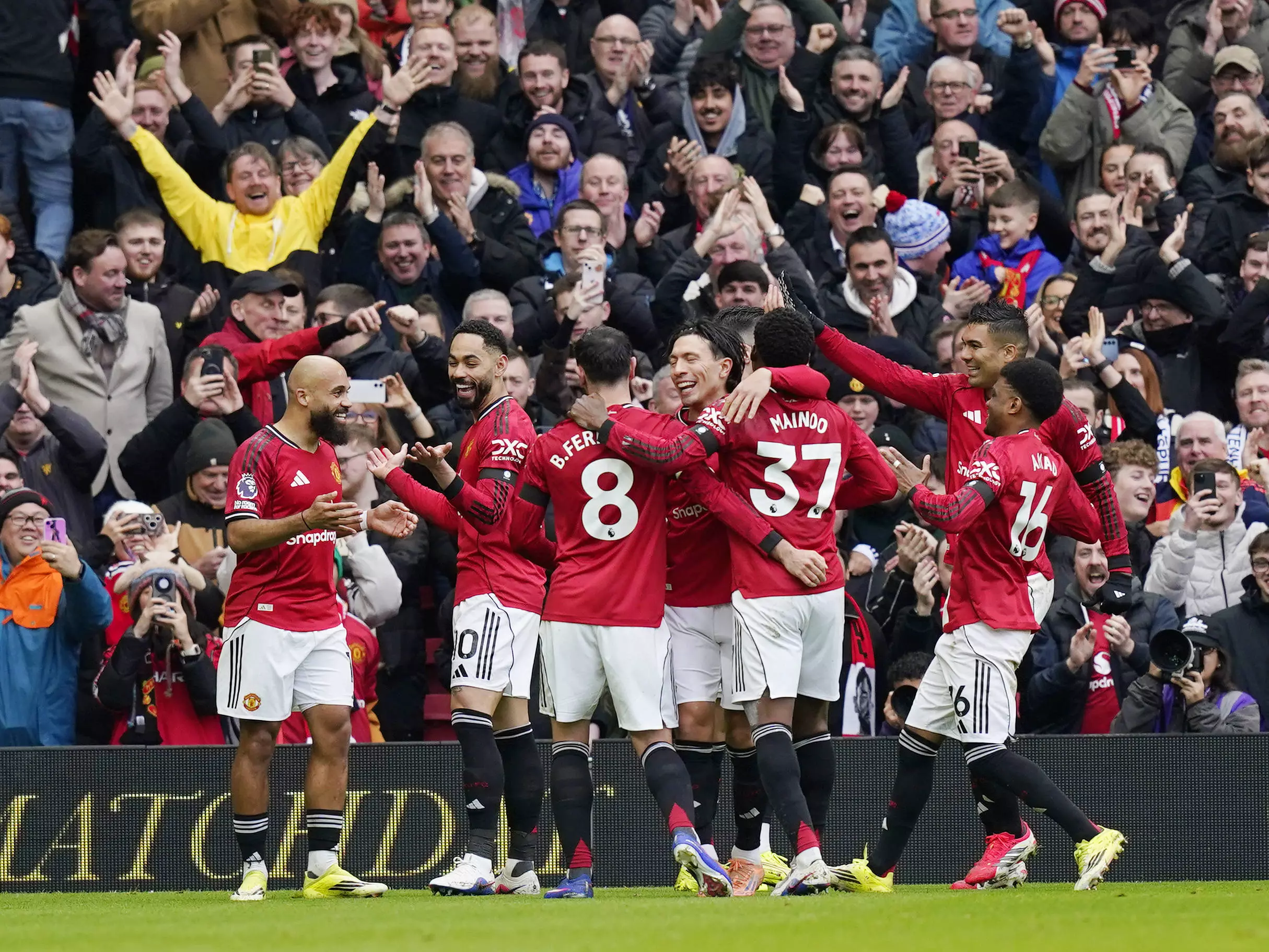
Manchester United’s top four hopes are well and truly at the forefront of most conversations at Old Trafford after a brilliant turnaround from last season’s chaos.
However, the Premier League rarely leaves room for sentimentality as its margins are thin and its narratives unforgiving.
For Manchester United, the 2025/26 campaign has unfolded less as a revival and more as a cautious return to relevance.
Manchester United’s top four hopes have been shaped by narrow wins and functional performances, week after week, in a congested table.
In a league where a short run of form can redraw the landscape, United’s position remains provisional, earned incrementally rather than declared through dominance.
Manchester United’s Top Four Hopes And The Limits Of Control
Manchester United’s top four hopes have exposed a familiar tension in United’s performances: control without authority, and there have been clear structural improvements.
United are marginally more secure in possession, more selective in their pressing, and less prone to transitional chaos. These changes have stabilised matches against mid-table opponents, but they have not consistently translated into superiority against direct rivals.
In high-stakes fixtures, rhythm remains elusive. Periods of territorial control often give way to passive phases, inviting pressure and compressing matches into moments of chance rather than sustained dominance.
In a league defined by thin margins and an unforgiving calendar, the inability to impose tempo across 90 minutes has become the line between presence and progress in Manchester United’s top four hopes, a pattern reflected in recent Premier League team stats.
Manchester United Top Four Hopes And The Weight Of Margins
Manchester United’s top four hopes will be ultimately decided by margins that rarely dominate headlines.
Set-piece efficiency, game management in the final 15 minutes, and the ability to protect narrow leads often shape qualification campaigns more than stylistic narratives.
These narrow margins have defined United’s season. In previous eras, routine wins have transformed into tests of emotional control and tactical discipline.
It is easy to frame this as fragility. In practice, it reflects the broader compression of the Premier League.
The league’s competitive depth ensures that even controlled performances require conversion.
Competence alone is insufficient in the Premier League top four race; one must replicate it under pressure.
This is where United’s campaign has oscillated between promise and restraint, producing a table position that reflects process rather than momentum.
This pattern is explored in more detail in our analysis of United’s recent league form, which traces how narrow scorelines and late-game management have shaped their place in the Premier League top four race.
Manchester United’s Top Four Hopes And The Pressure Of Rivals
Manchester United’s top four hopes do not unfold in isolation. Rival clubs are accumulating points through contrasting tactical models, each offering a different response to the league’s physical and strategic demands.
Some rely on high-intensity pressing to impose tempo early in matches, and others prioritise compact defensive structures and late-game control, accepting narrow winning margins in exchange for stability.
For United, this plurality of approaches complicates the equation. Their performances have often been sufficient to remain present in the Premier League top four race, but not always decisive enough to separate themselves from the pack.
The challenge is not simply to win, but to win in ways that translate across different match states. In a compressed table, tactical versatility becomes less a luxury than a necessity.
This is where United’s season has revealed its limits. Against teams that concede territory, the Red Devils have shown patience and structure, but against sides that contest the middle third aggressively, their rhythm has faltered.
Manchester United’s top four hopes, in this sense, are as much a test of adaptability as they are of accumulation.
YOU MAY ALSO LIKE: The Best Premier League Forwards of the 2025/26 Season
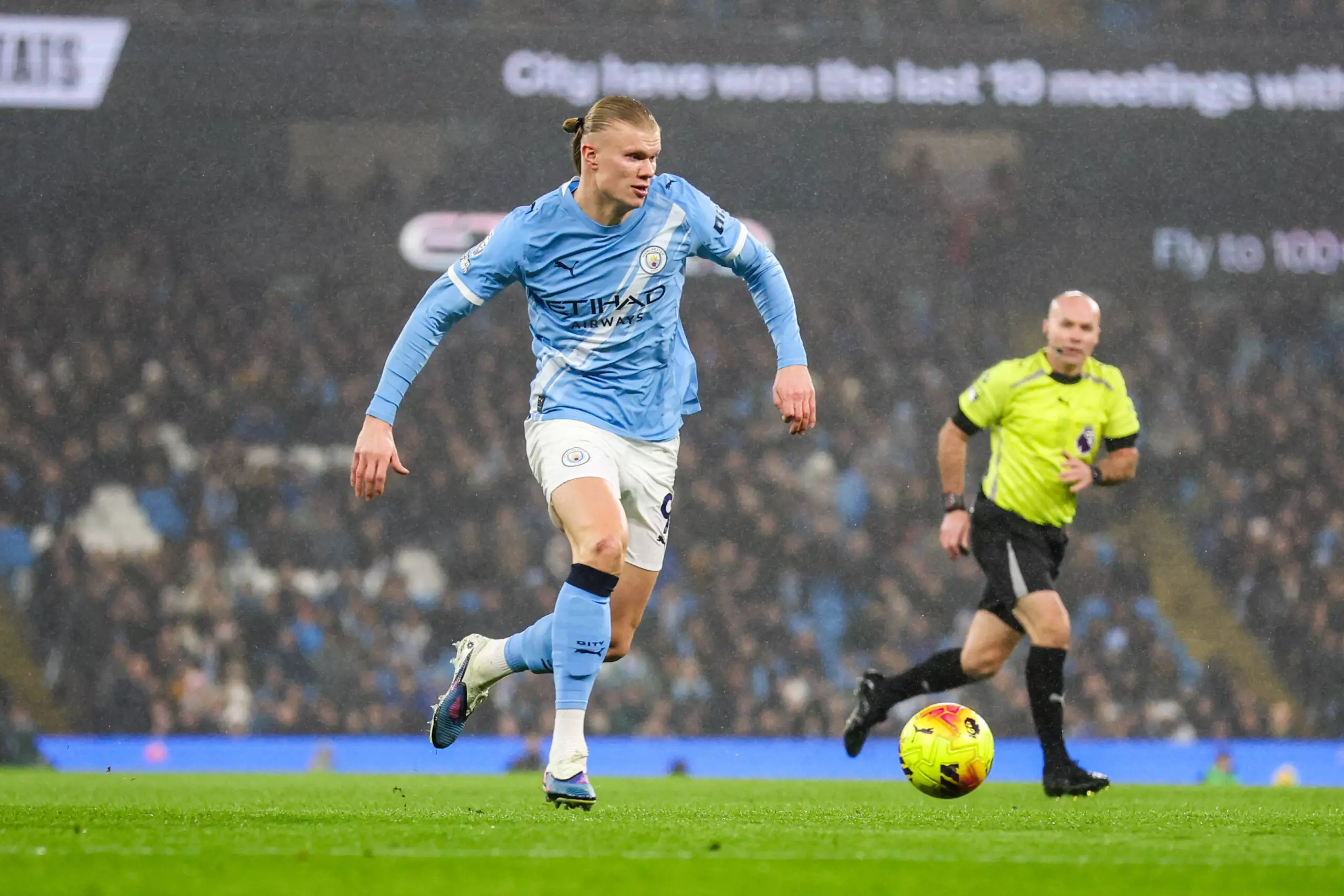
Manchester United’s Top Four Hopes And The Psychology Of The Run-In
As the season moves into its final stretch, the Premier League top four race becomes as much psychological as technical.
Players begin to feel the consequences a lot more. A missed chance carries more weight. A late concession reshapes not just the result but the emotional texture of the campaign.
United’s recent history of near-qualification and late-season volatility adds a layer of pressure to each fixture.
This pressure reshapes decision-making. Teams in contention often shift subtly from expansion to preservation, protecting leads rather than extending advantage.
For United, this instinct has occasionally narrowed games unnecessarily, compressing matches into moments of chance rather than sustained control.
In Manchester United’s top four hopes, the management of anxiety becomes as decisive as the management of space.
Discipline, not spectacle, often separates qualification from near-miss as Champions League places are usually built through consistent performance.
Top four teams are assembled through routine victories, controlled performances, and the emotional discipline to accept that not every match will offer narrative clarity.
Manchester United Top Four Race And What The Run-In Will Decide
Manchester United’s top four hopes will be decided not by isolated peaks, but by competence repeated under pressure.
United’s season had structure, but what it has lacked is sustained authority in the moments designed to separate contenders from participants. The league table rewards repetition more than rhetoric.
In practical terms, this means converting functional dominance into goals, protecting narrow leads without retreating into fear, and navigating periods of fatigue without tactical drift.
The margins that define qualification are rarely spectacular, and they are more functional. A set piece defended, a counter delayed, a late phase managed without panic.
Whether this campaign ends in European football qualification or another narrow miss, the broader lesson remains intact.
Manchester United’s top four hopes is not a story of resurgence but a measure of whether incremental control can mature into decisive momentum.
In the modern Premier League, top four finishes are not announced with spectacle. They are negotiated, week by week, in matches that feel small until the table gives them meaning.
Main Photo
Credit: IMAGO/Sportimage
Recording Date: 07.02.2026

Great article, it’s been a while since the Red Devils fought for the top 4, they deserve to return to their place