
10 African countries in the 2026 World Cup are set to represent the continent in the 23rd edition of football’s biggest tournament, and every nation heading to North America earned its place through determination, consistency, and hard work.
Following Africa’s impressive performances at the last World Cup, which produced several memorable upsets and historic achievements, there is every reason to believe the continent’s representatives could spring even more surprises this time around and potentially make an even deeper run in the competition.
With just five days remaining before the start of the 2026 World Cup, preparations are entering their final stages as teams begin arriving in the US ahead of the opening match.
Africa’s representatives — Morocco, Senegal, Egypt, Algeria, Tunisia, Ghana, South Africa, Côte d’Ivoire, Cape Verde, and the Democratic Republic of Congo — will travel to the tournament with ambitions that extend far beyond simply participating.
Each nation will be determined to make its mark on the global stage and challenge the traditional powerhouses of world football.
The upcoming tournament will be historic for several reasons. It will be the first World Cup to feature 48 teams, an expansion from the previous 32-team format, and it will also be the first edition to be jointly hosted by three countries: the United States, Canada, and Mexico.
While the expanded format presents fresh opportunities and new challenges, one African nation stands out as a genuine contender to shake up the established order.
That team is Morocco, whose blend of experience, tactical discipline, and world-class talent could see them emerge as the 2026 World Cup dark horse and once again defy expectations on football’s biggest stage.
African Countries In The 2026 World Cup: Why Morocco Could Be Africa’s Best Hope For Glory
The Atlas Lions head into the tournament as the highest-ranked team on the continent and one of the best African nations in the World Cup.
Ranked first in Africa and seventh globally in the latest June 2026 FIFA world rankings, Morocco have continued their remarkable rise in international football.
The North African side climbed to the highest position in their history with 1,756.94 ranking points after making the most of their preparatory fixtures and strengthening their place among the world’s elite ahead of the tournament.
Morocco’s growing reputation stems largely from their historic run in Qatar four years ago, where they became the first Arab and African nation to reach a World Cup semi-final.
Their achievement was built on tactical discipline, defensive resilience, and an ability to frustrate some of the world’s biggest footballing nations.
However, the current squad is widely considered stronger and more experienced than the one that captivated the world in 2022, giving supporters reason to believe another deep run is possible.
Confidence in Morocco’s prospects is also reflected by the numbers. According to the Opta analyst’s World Cup prediction model, the Atlas Lions have an 88.8% probability of progressing from Group C and a 10.3% chance of reaching the semi-finals once again despite being drawn alongside Brazil, Scotland, and Haiti.
While expectations are significantly higher than they were four years ago, Morocco possesses the quality, experience, and belief needed to handle the pressure.
If there is one African side capable of defying the odds, proving that their exploits in Qatar were no fluke, and showing they can not only compete with but also dictate matches against global powerhouses, it is undoubtedly the Atlas Lions.
Morocco’s Tactical Revolution: Why The Atlas Lions Are More Dangerous Than Ever
Heading into the tournament, one factor that could give Morocco a significant advantage over many of their rivals is the evolution of their playing style.
Unlike the side that largely relied on defensive resilience and counter-attacking football in the 2022 FIFA World Cup, the current Atlas Lions have developed into a more balanced outfit capable of combining defensive solidity with possession-based dominance and attacking fluency.
The tactical shift follows a change in leadership. Walid Regragui, whose pragmatic approach guided Morocco to a historic semi-final appearance at the 2022 FIFA World Cup, faced growing criticism in the years that followed, particularly during the last AFCON campaign, where many supporters felt the team was too conservative despite its impressive results.
After three and a half years as the head coach of the Morocco national team, Regragui departed amid increasing pressure, paving the way for the appointment of Mohamed Ouahbi.
Ouahbi arrived with a reputation for developing exciting and progressive teams. During his three-year spell in charge of Morocco’s under-20 side, he played a major role in transforming the country’s youth setup while delivering impressive results on the pitch.
The 49-year-old averaged 1.88 points per match across 56 games, guided the team to the 2025 Under-20 Africa Cup of Nations final, and further enhanced his credentials by leading Morocco to a historic FIFA Under-20 World Cup triumph in Chile, overcoming several of the world’s most highly rated youth teams along the way.
One of the strengths that Ouahbi builds upon from the previous regime was Morocco’s defensive foundation. Regragui’s team was known for being exceptionally difficult to break down and entered major tournaments with one of the most organised defensive structures in international football.
Their ability to restrict opponents and maintain compactness became a hallmark of their success.
Ouahbi, however, will be looking to develop the foundation further rather than simply preserve it. While maintaining Morocco’s defensive discipline, he has introduced a far more proactive approach centred on aggressive pressing, quicker ball circulation, and greater control of matches.
Moving away from the passive low-block system that defined much of the team’s success under Regragui, Morocco has increasingly operated in dynamic 4-3-3 and 3-4-3 formations, with overlapping full-backs, coordinated pressing triggers, and a commitment to dominating possession.
The result is a team that retains the defensive resilience that carried them to the World Cup semi-final four years ago, while adding the attacking creativity and tactical flexibility needed to compete with the world’s elite.
YOU MAY ALSO LIKE: France 2026 World Cup Squad: Why Les Bleus Have The Best Squad On Paper
African Countries In The 2026 World Cup: Morocco’s Golden Generation Is Built For Another Deep Run
Another major reason Morocco are being tipped to make a deep run in the 2026 World Cup extends beyond their tactical evolution and the continuity provided by a core group of players who experienced the last tournament. It is also a reflection of the exceptional quality spread throughout the squad.
The majority of Morocco’s stars compete at some of Europe’s biggest clubs, regularly working under elite managers and benefiting from world-class training environments.
That experience has elevated the overall standard of the national team and given the Atlas Lions a squad capable of matching the world’s best both technically and tactically.
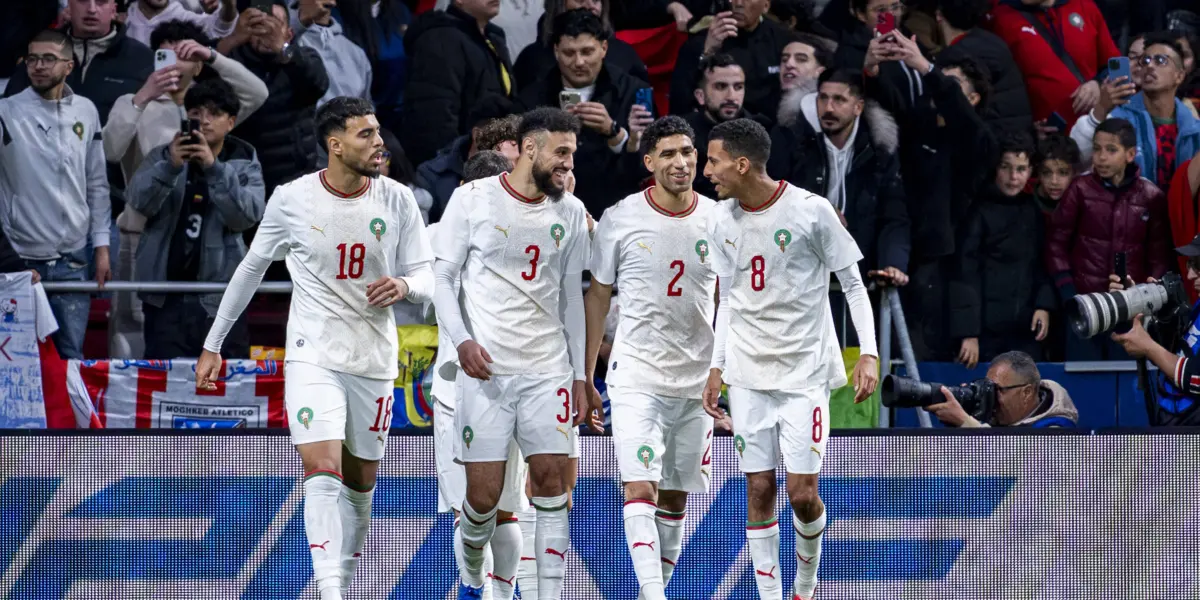
Leading the way is captain Achraf Hakimi, one of the finest full-backs in world football. The Paris Saint-Germain star remains a key figure under Luis Enrique and enters the tournament after another outstanding season.
Having won the 2025 CAF Men’s Player of the Year award and helped PSG secure back-to-back UEFA Champions League titles, the 27-year-old arrives in North America in top form and at the peak of his powers.
Hakimi, who, across the last two years, has collected an astonishing 11 trophies, will now be aiming to crown that success with the ultimate prize at international level.
Morocco’s attacking threat is further strengthened by Brahim Diaz. The Real Madrid forward, who switched his international allegiance from Spain, has quickly become one of the team’s most influential attacking players.
Comfortable operating from the right wing or in central areas, Diaz has consistently troubled opposition defences and was directly involved in five goals during the last AFCON campaign.
His ability to consistently beat his man in a one-vs-one situation, together with his creativity and eye for goal, provides Morocco with another dimension in the final third.
The squad is also packed with proven performers across every position. In goal is the dependable Yassine Bounou, whose heroics have repeatedly delivered on the biggest stages.
In defence, Manchester United full-back Noussair Mazraoui offers versatility and experience, while Sofyan Amrabat continues to serve as the heartbeat of the midfield with his relentless work rate and tactical intelligence.
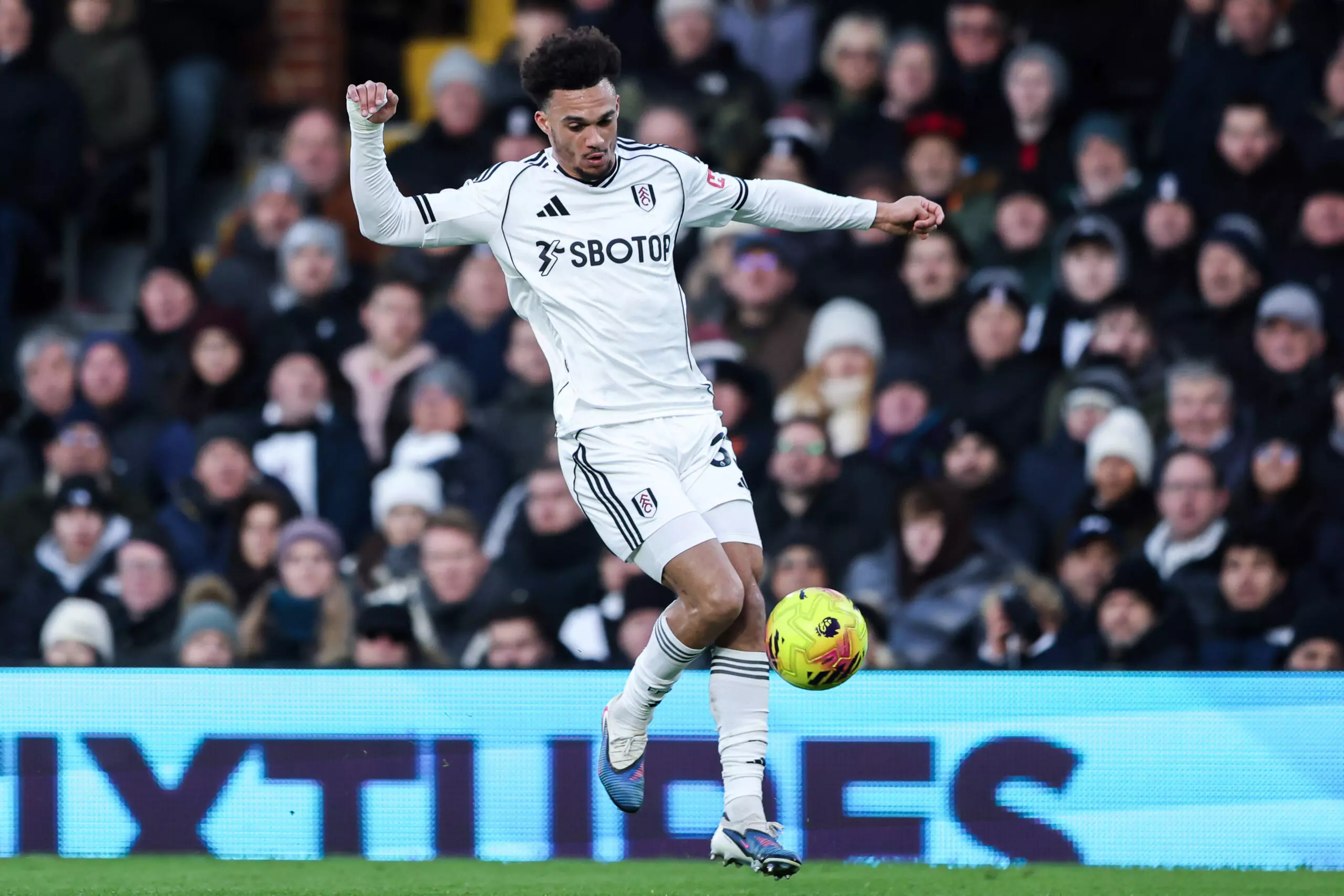
Beyond the established stars, Morocco possesses impressive depth. Players such as Fulham defender Issa Diop, Roma midfielder Neil El Aynaoui, and highly rated Lille youngster Ayyoub Bouaddi, who is regarded as one of the World Cup’s brightest young stars and a potential difference-maker for his nation.
Bouaddi’s decision to represent Morocco despite interest from France is viewed as another major boost for the national team, highlighting the country’s growing ability to attract some of the most promising talents in world football.
With a squad blending elite-level experience, proven international performers, emerging talents, and a world-class captain in Hakimi, Morocco arguably possesses the strongest collection of players ever assembled by an African nation heading into a World Cup.
Analysing Morocco’s 2026 World Cup Opponents
Morocco will be aiming to secure a place in the World Cup Round of 32 and Round of 16 by navigating a challenging Group C that includes Brazil, Scotland, and Haiti.
On paper, Brazil represent the biggest obstacle standing in their way, with the five-time world champions once again arriving at the tournament among the favourites to lift the World Cup.
However, the Selecao are not without their own questions heading into the competition. Head coach Carlo Ancelotti raised eyebrows with his squad selection after opting to include Neymar at the expense of the in-form Joao Pedro, a decision that has divided opinion among Brazilian supporters.
Heading into the encounter, the Atlas Lions will take encouragement from the fact that they have already shown they can compete with football’s traditional powerhouses.
Their historic run to the semi-finals in 2022 included victories over Belgium, Spain, and Portugal, and heading into the encounter with Brazil, they will take encouragement from the fact that they are capable of beating even the toughest teams.
While Scotland and Haiti will also pose unique tests, Ouahbi believes his side possesses enough quality to secure positive results against both.
If they can negotiate the challenge of Brazil and emerge from Group C, Morocco could once again find themselves in a position to make history and reinforce their status as Africa’s leading hope at the 2026 World Cup.
Main Photo
Credit: IMAGO / Alberto Gardin