
The World Cup 2026 Round of 32 is in the books, and it has exceeded expectations.
Instead of one-sided contests, the opening knockout round produced dramatic upsets, tactical masterclasses, comeback victories, and fearless performances from nations once considered outsiders.
Established giants were forced to earn every minute of progression while emerging footballing nations proved they belong on the sport’s biggest stage.
If the expanded World Cup was designed to create more opportunity without sacrificing quality, the first knockout round suggests FIFA may have achieved exactly that.
More importantly, it revealed several trends that could define not only the remainder of this tournament but the future of upcoming World Cups.
Here are the five biggest takeaways from the World Cup 2026 Round of 32.
World Cup 2026 Round of 32: The Unquestionable Success
The biggest winner of the World Cup 2026 Round of 32 may not have been a team; it was the tournament format itself.
When FIFA expanded the World Cup from 32 to 48 teams, critics warned that the additional knockout round would produce mismatches, lower the overall standard, and diminish the prestige of reaching the latter stages.
The first Round of 32 has largely challenged those assumptions. Rather than a procession for the traditional heavyweights, the knockout round delivered a compelling blend of dominant performances, tactical battles, dramatic comebacks and genuine upsets.
The expanded format has also achieved one of FIFA’s primary objectives: increasing meaningful competition.
Instead of seeing teams eliminated after just three group matches, more nations experienced the intensity of knockout football, extending fan engagement across more regions and exposing a wider range of players to the unique pressure of win-or-go-home matches.
Most importantly, the quality of the spectacle has remained high.
The additional knockout fixtures have added meaningful drama without sacrificing competitiveness, suggesting that the World Cup’s expansion has strengthened, rather than diluted its appeal.
If the World Cup 2026 Round of 32 is any indication, the 48-team format has not merely added more matches; it has created more moments that matter.
World Cup 2026 Round of 32: Attacking Football Is Being Rewarded
One of the clearest tactical trends of the World Cup 2026 Round of 32 has been the value of positive, front-foot, and attacking football.
Several successful teams have prioritised aggressive pressing, quick transitions and attacking width instead of adopting conservative approaches focused solely on defensive solidity.
The clearest examples came from France and Spain, both of whom underlined their credentials with emphatic 3-0 victories against Sweden and Austria respectively.
Rather than managing games cautiously, they overwhelmed their opponents with relentless attacking movement, high-tempo pressing and clinical finishing, effectively putting the ties beyond doubt long before the final whistle.
While defensive organisation remains fundamental, teams willing to commit numbers forward have consistently created the better chances and controlled the rhythm of matches.
France’s directness and physical intensity, coupled with Spain’s fluid passing and positional play, demonstrated that different attacking philosophies can be equally devastating when executed with conviction.
World Cups have always rewarded adaptability, but the World Cup 2026 Round of 32 suggests that proactive football currently offers the greater advantage. In knockout football, waiting for mistakes can be a risky strategy; creating them has proved considerably more effective.
World Cup 2026 Round of 32: Hydration Breaks Might Be The Tournament’s Biggest X-Factor
Hydration breaks were initially introduced for player welfare in challenging weather conditions, but they have evolved into one of the most influential tactical features of the expanded World Cup.
Managers are increasingly using these scheduled pauses to make adjustments without waiting until half-time. Formations are reshaped, pressing structures reorganised and defensive assignments clarified, allowing coaches to address problems in real time.
Their impact was evident in the World Cup 2026 Round of 32. England used the cooling break to regroup after falling behind against DR Congo, returning with greater attacking intensity and improved movement to fuel a comeback victory.
Belgium also benefited from the pause in their clash with Senegal, making key tactical tweaks that helped them regain control of the contest before eventually securing qualification.
Momentum, one of football’s most fragile elements, can shift within minutes of play restarting, and the scheduled breaks are increasingly becoming the catalyst for those swings.
As matches become more data-driven and decided by the finest of margins, these interruptions have become valuable strategic opportunities rather than simple rest periods.
With physical fatigue set to increase in the quarter-finals and beyond, hydration breaks could prove just as decisive as substitutions in determining who advances.
YOU MAY ALSO LIKE: Brazil vs Norway World Cup: Two Key Battles That May Determine Who Progresses Through To The Quarter-Finals
World Cup 2026 Round of 32: There Are No Underdogs Anymore
One of the strongest messages from the World Cup 2026 Round of 32 is that the gap between football’s traditional powers and the rest of the world has never been smaller.
For decades, knockout football often followed a familiar script: the established giants advanced, while emerging nations exited with admirable performances but little to show for them.
That script is rapidly being rewritten, and the evidence was impossible to ignore.
Paraguay produced one of the tournament’s defining results by eliminating Germany, a reminder that tactical discipline, defensive organisation and ruthless efficiency can outweigh pedigree.
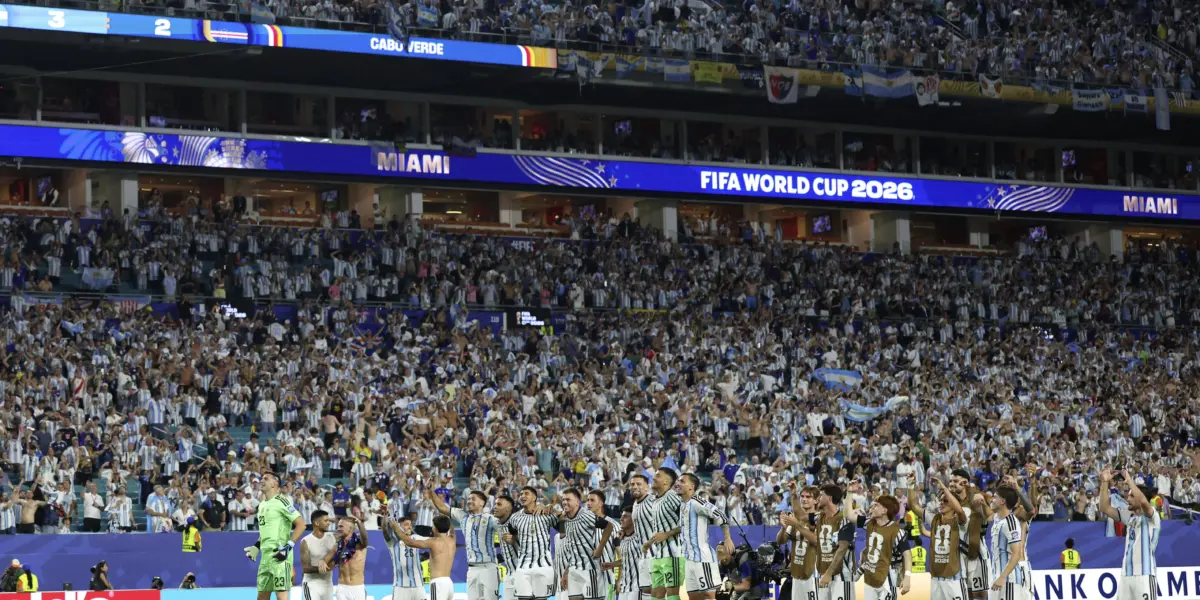
Cape Verde came within touching distance of an even bigger shock, forcing defending champions Argentina into extra time after matching them physically, tactically and mentally.
Across the knockout round, several other favourites were pushed far harder than expected, underlining how little now separates teams once considered to be on different levels.
This is not a coincidence; rather, it is the product of football’s globalisation. Players from emerging nations are developing in Europe’s elite leagues, coaching standards have risen dramatically across every confederation, and access to sports science, video analysis and performance technology has become far more widespread.
The advantages once enjoyed almost exclusively by football’s traditional superpowers are no longer unique.
The result is a World Cup where rankings and reputation matter less once the whistle blows. Elite nations still possess greater squad depth and tournament experience, but those margins are becoming increasingly thin.
The World Cup 2026 Round of 32 showed that success is now determined less by history and more by execution, and that every nation reaching the knockout stage has a legitimate chance to compete.
The term “underdog” has not disappeared entirely, but at this World Cup, it has never meant less.
World Cup 2026 Round of 32: The Foundations Of The Greatest World Cup Are In Place
It is always difficult to assess a tournament before its conclusion. History tends to judge World Cups by defining moments: iconic goals, unforgettable matches and champions who leave a lasting legacy.
However, the World Cup 2026 Round of 32 has provided encouraging indicators.
The expanded format has generated broader global interest, the competitive balance has produced unpredictable contests, and emerging nations have demonstrated genuine quality rather than mere participation.
Most importantly, football has remained the central attraction. If the latter stages maintain the same competitive intensity and tactical quality, this tournament has every opportunity to be remembered as one of the defining World Cups of the modern era, and the greatest verdicts are reserved for history.
However, the evidence so far suggests this World Cup is building towards something genuinely special.