
For all the talent and quality within the squad, the Portugal World Cup 2026 exit marked another painful setback, as a golden generation widely tipped to challenge for the trophy fell short on football’s biggest stage.
That disappointment became a reality following a 1-0 defeat to Spain in the Round of 16, bringing the Portugal World Cup campaign to an end and making Portugal another elite nation to bow out after Germany’s earlier elimination in the Round of 32.
The result also extended Portugal’s wait for a first FIFA World Cup trophy, with a golden generation blessed with immense quality unable to translate its enormous potential into success on football’s biggest stage.
The Portugal World Cup 2026 exit has now sparked growing debate over what prevented this golden generation from turning its immense talent into World Cup success.
Portugal World Cup 2026 Exit: Why a Team Built to Challenge for the Trophy Fell So Early
Portugal arrived at the tournament as one of the favourites, boasting one of the strongest squads in the competition with quality available in every position.
However, those expectations ultimately ended in the Portugal World Cup failure following a disappointing 1-0 defeat to Spain, with several underlying issues defining their campaign.
To begin with, tactical rigidity and predictability proved to be major problems. Their inflexible system became easy for opponents to read and counter, contributing to a return of just two wins from five matches.
Despite possessing technically gifted midfielders, there was also a lack of midfield control and creativity, allowing opponents to dominate transitions and dictate the tempo of games.
Defensively, Portugal struggled against high-pressing teams and quick counter-attacks, while poor organisation in defending set-pieces also became a recurring weakness.
Ultimately, the Portugal World Cup failure was driven by a squad imbalance. Although the team looked exceptional on paper, there was a lack of balance between attack, midfield and defence, while several key players failed to perform at their expected level, leading to another disappointing early exit.
The Midfield That Never Found the Right Balance
One of the most exciting aspects surrounding the Portugal World Cup campaign before the tournament was the incredible depth and quality in midfield, widely regarded as one of the strongest among all participating nations.
The trio of Vitinha, Bruno Fernandes and Joao Neves generated enormous excitement before the tournament. However, their inability to establish chemistry quickly became one of the biggest factors behind the Portugal World Cup failure.
Vitinha remains an outstanding passer and ball-progressor, but he appeared to struggle with the physical demands of international football. He was frequently bypassed or isolated whenever Portugal needed greater control in key matches, while his defensive contributions lacked consistency and left spaces opponents were able to exploit.
Meanwhile, Fernandes remained the team’s creative hub and was expected to link midfield and attack seamlessly. Instead, he often forced passes, held onto possession for too long and struggled to dictate the game with his usual authority.
His positioning also became an issue throughout the tournament, as he frequently drifted too wide or too high up the pitch. Combined with an inability to consistently deliver decisive passes in crucial moments, Portugal’s attacking rhythm suffered.
Neves brought energy and intensity as a box-to-box midfielder, but he occasionally struggled with decision-making under pressure and adapting to the tactical demands of certain matches, limiting his overall influence.
More importantly, the tactical mismatch between the trio became one of the defining themes of the Portugal World Cup campaign. There was no clear hierarchy or complementary balance, with uncertainty over who should drop deep, push forward or dictate the tempo during difficult moments.
As a result, chemistry between the midfielders never fully developed, affecting passing combinations, movement off the ball and overall fluidity.
Ultimately, Roberto Martínez’s inability to find the right system or rotations for the trio proved to be one of the biggest contributors to the Portugal World Cup failure.
Portugal World Cup 2026 Exit: An Attack That Failed to Get the Best Out of Cristiano Ronaldo
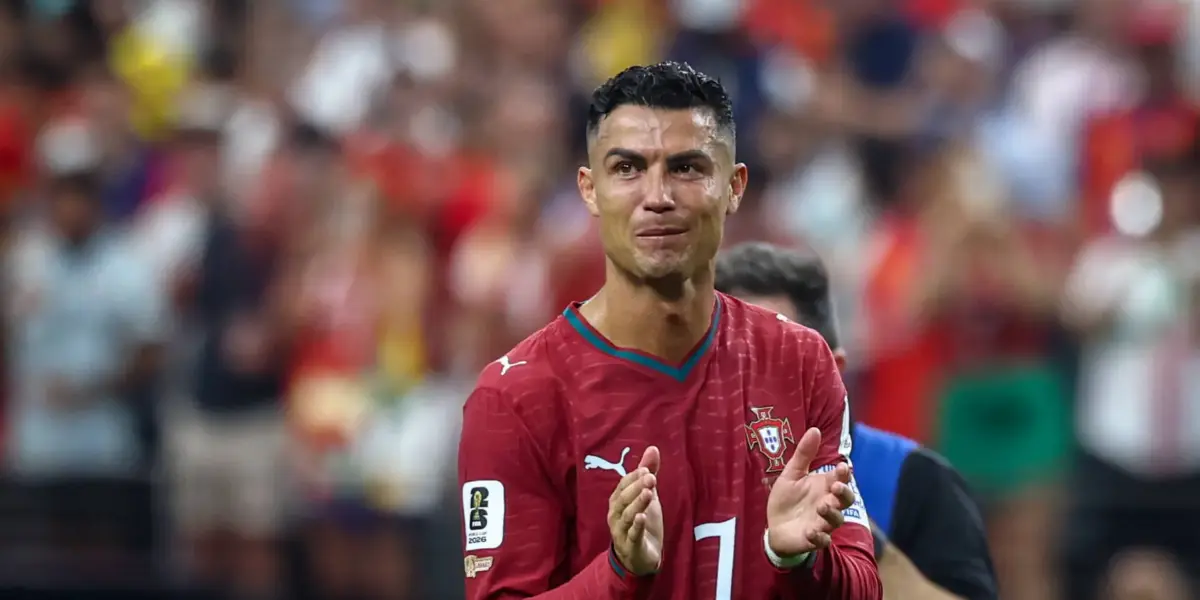
Another major factor behind the Portugal World Cup 2026 exit was an attack that failed to get the very best out of Cristiano Ronaldo.
Despite boasting several top-class attacking players, there was clear evidence of poor chemistry and limited understanding around the Portuguese legend.
Ronaldo operated as the central focal point, with the expectation that his experience and finishing ability would provide the goals Portugal needed. However, at 41 years old, he no longer possessed the pace and movement of his younger years, while those around him failed to adapt their play to maximise his strengths.
At the same time, Roberto Martínez‘s rigid tactical system offered little flexibility. Predictable attacking patterns became easy for opponents to defend, forcing Ronaldo into ineffective areas while slow build-up play allowed defenders to crowd him out.
Perhaps most importantly, the understanding between Ronaldo and supporting attackers Pedro Neto, Joao Felix and Rafael Leao never truly developed. The timing of their runs, movement and link-up play often lacked coordination, leaving Ronaldo isolated inside the penalty area with limited service.
The wingers also struggled to provide consistent width and quality crosses, while supporting forwards rarely made the complementary runs needed to create space for Ronaldo.
Likewise, the midfield regularly failed to provide accurate through balls or dangerous deliveries into the box, further limiting his influence.
Portugal built their attack around one of the greatest finishers in football history, but poor service, limited chemistry and inadequate support prevented Ronaldo from making the impact expected, becoming another defining reason behind the Portugal World Cup failure.
The Missing Mentality That Cost Portugal on the Biggest Stage
Mentality also proved to be one of the defining issues throughout the Portugal World Cup campaign, playing a significant role in the team’s elimination.
Throughout the tournament, Portugal frequently lacked the resilience and fighting spirit required to succeed on football’s biggest stage.
This weakness became particularly evident whenever opponents increased the intensity or took the lead. Portugal often struggled to remain composed under pressure, leading to rushed decisions, unnecessary mistakes and a lack of conviction in crucial moments.
That mental fragility became even more apparent during the knockout stages, where the smallest margins often determine success or failure.
In addition, the Portugal World Cup campaign was characterised by a lack of urgency whenever they found themselves chasing matches. Slow build-up play and an overly conservative approach prevented them from creating sustained pressure when they needed goals the most.
Overall, their inability to respond positively to adversity became another key factor behind the Portugal World Cup failure.
YOU MAY ALSO LIKE: Roberto Martinez Exit as Portugal Manager a Result of Some Poor Decisions
What Must Change Before the Next Major Tournament?
The Portugal World Cup 2026 exit has signalled the beginning of a new era for the national team ahead of their next major tournament.
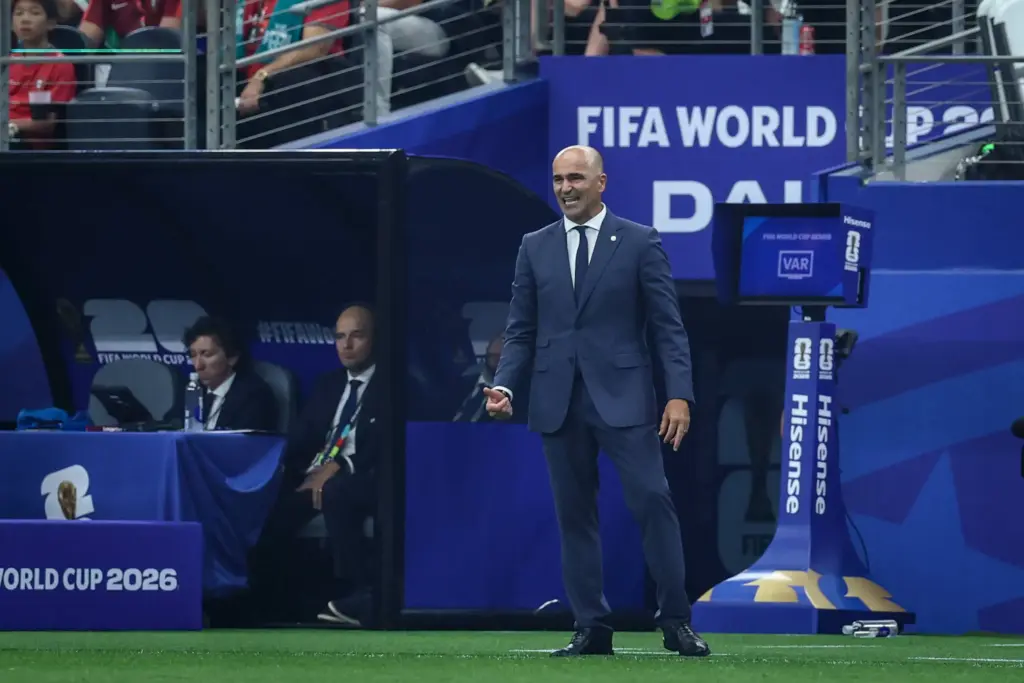
With Roberto Martínez stepping down as head coach and Cristiano Ronaldo confirming that this was his final World Cup, Portugal must now accelerate their squad rebuild by integrating more young talents while gradually moving on from an ageing generation.
At the same time, the next manager must introduce greater tactical flexibility, establish a modern playing identity and build a squad capable of adapting to different opponents and situations.
More importantly, Portugal must rediscover the hunger, resilience and winning mentality that has often been missing in recent tournaments.
If those changes are implemented successfully, the disappointment of the Portugal World Cup 2026 exit could become the turning point that lays the foundation for a stronger, more balanced and more competitive team capable of challenging for major honours once again.