
Rafa Márquez Takes Over Mexico as El Tri Begins a New Era After World Cup Exit
The 2026 FIFA World Cup ended the way it so often has for Mexico. A brave performance, tens of millions watching, another heartbreaking Round of 16 exit, and another generation left wondering what could have been. England’s 3-2 victory at Estadio Azteca extended one of football’s cruelest trends, with El Tri now eliminated in the Round of 16 in a consistent pattern dating back to 1986.
Yet this time, the mood around Mexican football is different.
Only days after that painful defeat, the Mexican Football Federation officially confirmed what had long been planned: Rafael Márquez will become Mexico’s new manager, taking over from Javier Aguirre as El Tri begins the road toward the 2030 FIFA World Cup.
This is not a panic appointment. It is a passing of the torch, and had been planned, as Marquez sat on the bench with Aguirre during this World Cup cycle.
Javier Aguirre Restored Mexico’s Belief
Aguirre did not end the Round of 16 curse, but he repaired something just as important.
After the disappointment of Qatar 2022 and Copa America 2024, the relationship between El Tri and its supporters had become fractured. Confidence was low. Expectations had fallen. Many supporters questioned the direction of Mexican football and no longer wanted to buy tickets to attend games.
Over the past two years, Aguirre changed that. Mexico won the CONCACAF Nations League. They lifted another Gold Cup. They topped their World Cup group on home soil with three consecutive clean sheets, a fourth clean sheet in a demolition of Ecuador, and arrived at the knockout stage believing they could finally break through.
They almost did.
Against England, Mexico pushed one of Europe’s heavyweights to the limit. Even after falling behind, even after England went down to ten men, El Tri kept fighting until the final whistle. The result was heartbreaking, but the atmosphere inside Estadio Azteca showed something had changed.
The fans believed again. The diaspora believed again.
For the first time in years, Mexico once again felt united behind its national team. That is Aguirre’s legacy for his final cycle as El Tri’s “grandfather”.
Rafa Márquez Is the Right Man for the Next Step
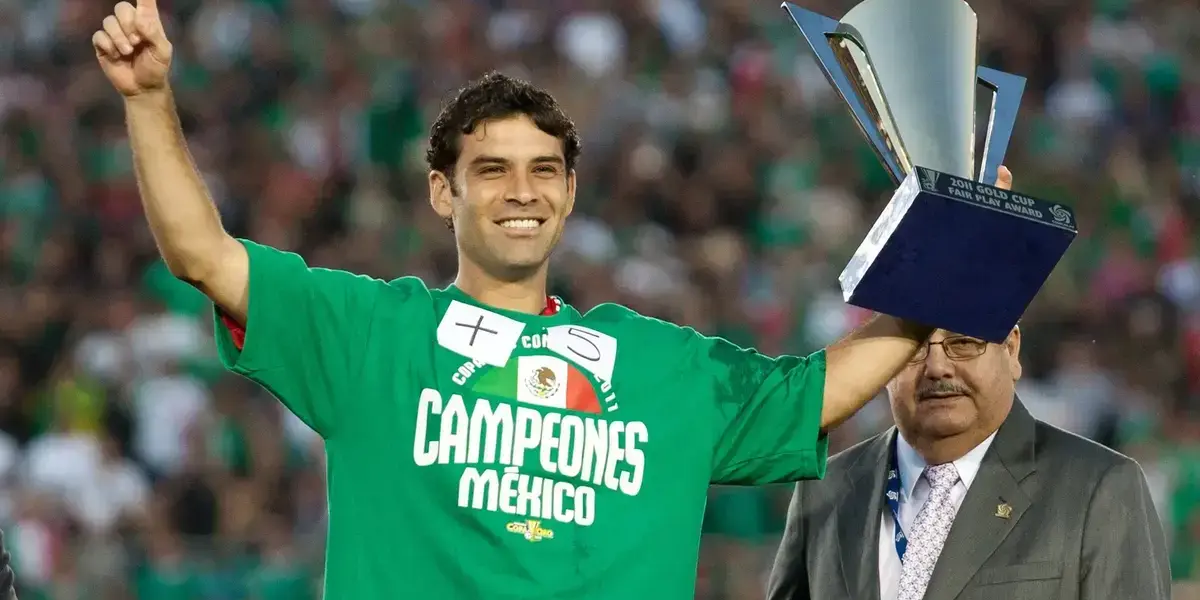
Few players command more respect in Mexican football than Rafael Márquez. Five World Cups. Two UEFA Champions League titles with Barcelona. Captain. Leader. Warrior.
After retirement, Márquez continued developing as a coach, leading Barcelona Atlètic before leaving Europe to become Aguirre’s assistant with the national team. The succession plan was agreed upon long before this World Cup began, allowing him to learn the program from the inside before taking control himself.
He understands Mexican football. He understands European football. Most importantly, he understands what Mexico must become if it wants to stop being remembered for heroic defeats.
Players will not need convincing to follow Márquez. He has already earned that respect through two decades representing his country at the highest level.
The Next Generation Has Already Arrived
Perhaps Aguirre’s greatest contribution was not tactical.
It was trust. Mexico gave significant World Cup minutes to teenagers and young players who could become the core of the 2030 cycle.
Gilberto Mora, still only 17 years old, showed remarkable composure in midfield. Brian Gutiérrez also started World Cup matches while still a teenager. Obed Vargas, only 20, continued his development, while Mateo Chávez impressed whenever he was called upon, including a Man of the Match performance against Czechia. Liga MX top scorer Armando “Hormiga” González barely saw the field, but remains another intriguing attacking option waiting for an opportunity.
Behind them stands goalkeeper Raúl “Tala” Rangel, still 26 years old, who announced himself as one of the revelations of the tournament with four straight clean sheets before England finally broke through.
The defensive foundations exist, as Mexico showed it could play pragmatic, reliable football under Aguirre. Now Márquez must help Mexico discover the next generation of attackers capable of winning knockout games.
Mexico Must Look Beyond CONCACAF
Winning the Gold Cup should no longer be the destination. It should be the expectation. Mexico has already proven it can dominate CONCACAF. The challenge now is becoming a nation capable of consistently defeating Europe’s elite.
That requires more than changing managers. It means developing players differently.
Too many Mexican footballers reach Europe too late, after spending years in Liga MX. Meanwhile the top national teams like Argentina and France have developed a steady pipeline for young players.
Mexican clubs, Liga MX owners, and the federation all have roles to play. Young talents need clearer pathways, whether that means earlier moves abroad, stronger developmental leagues, or creating more opportunities to compete against elite opposition.
Márquez understands both worlds better than almost anyone. Having succeeded in Mexico and Europe, he is uniquely positioned to push for that evolution.
More Than a New Coach
Mexico leaves this World Cup disappointed, but not broken.
The foundations are stronger than they were four years ago. The supporters have reconnected with the team. Young players have gained invaluable experience. The defensive identity Aguirre built is real.
Now comes the harder part. Pragmatism restored Mexico’s credibility. Creativity must restore its ambition.
Mexico no longer wants to simply survive group stages or win another Gold Cup. It wants to compete with England, France, Spain and Argentina on equal footing. Javier Aguirre handed Rafael Márquez a national team that believes again. Now Márquez must build one that the rest of the football world truly fears.
Main Photo Credit: Smartframe Images