

There was a time when a $50 million transfer could dominate the back pages for days. Now, in the Premier League transfer market, $100 million is beginning to look less like a once-in-a-generation fee and more like the price of doing business.
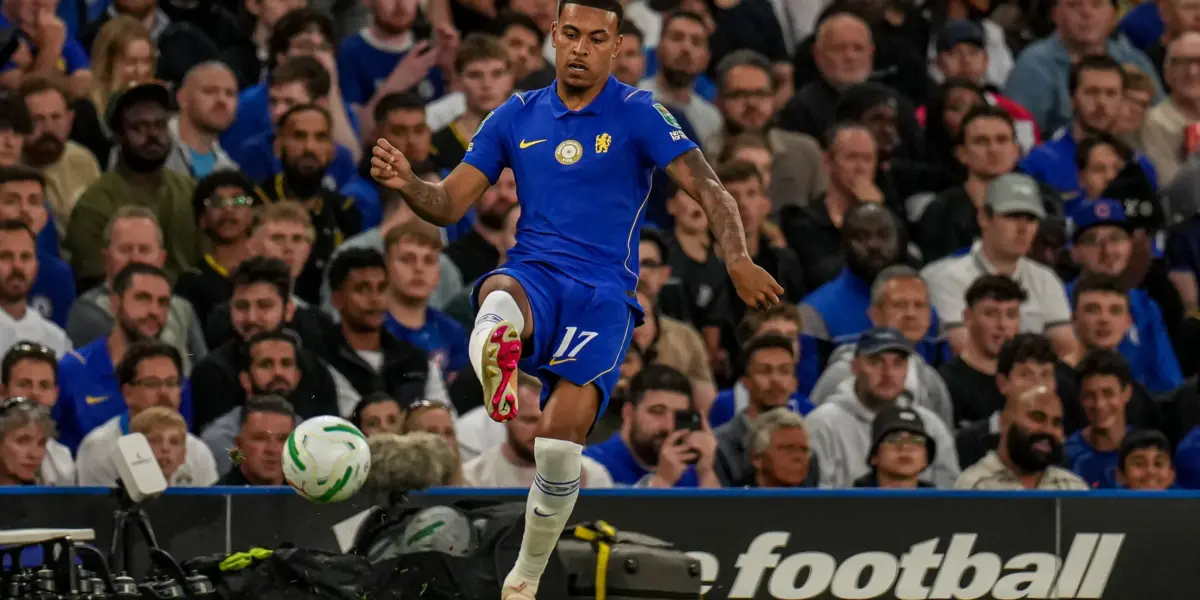
The summer of 2026 has provided the clearest evidence yet; Chelsea have signed Morgan Rogers from Aston Villa for a reported $117 million, while Manchester City paid around $116 million for Elliot Anderson from Nottingham Forest, and Tottenham have also crossed the $100 million barrier with their $100 million deal for Sandro Tonali.
So what has happened to football’s transfer market? And why are Premier League clubs willing to spend extraordinary sums on players?
Because, frankly, $100 million is no longer what it used to be. It is an eye-watering amount of money in almost any other walk of life; you could buy a small fleet of luxury cars, a very impressive house or, depending on your appetite, an absolutely heroic number of cheeseburgers. But in the Premier League, it can now buy you one footballer.
And if you believe some of the rumours doing the rounds, clubs may soon need to add a few more cheeseburgers to the receipt. The market shows little sign of cooling, with inflated fees, longer contracts, and fierce competition for proven young talent pushing the price of elite players ever higher.
So how did we get here – and more importantly, is the $100 million footballer actually worth $100 million?
$100M Is No Longer the Ceiling
The modern Premier League transfer market is being reshaped by an uncomfortable reality: Elite players have become extraordinarily expensive.
Rogers’ move to Chelsea is a perfect example. The England international had developed into one of Aston Villa’s most important players, and Chelsea were prepared to pay a premium to secure him.
Manchester City’s pursuit of Anderson tells a similar story, rather than gambling on an established superstar from abroad, City spent $116 million on a player already proven in the English game.
That is important because Premier League clubs are not simply buying talent. They are buying certainty.
A player who understands the intensity, physical demands, and tactical rhythm of English football can be considered a safer investment than someone arriving from another league.
The Premier League transfer inflation does not stop at $100 million. Manchester City have also paid around $86 million for 18-year-old Ayyoub Bouaddi from Lille, a remarkable fee for a teenager but one that reflects the belief that elite clubs must secure future stars before their value rises even further.
The Premier League Has the Money
The biggest reason behind the explosion in spending is simple: Premier League clubs generate enormous amounts of money.
Broadcasting agreements, commercial partnerships, matchday revenue, and European competition have created a financial ecosystem that remains significantly more powerful than most domestic leagues.
Recent analysis from The Financial Times puts projected Premier League revenues at around $7.4 billion, while clubs have already spent billions in the current window. That financial strength gives clubs room to make enormous investments.
For a club competing for the title, Champions League qualification, or even survival, spending $70 million or $100 million can be viewed not simply as an expense but as an investment in future revenue.
The modern Premier League transfer market therefore operates differently from the old model. Clubs are increasingly willing to pay heavily today if they believe the player can deliver trophies, European football, commercial growth, or a substantial resale value tomorrow.
READ MORE: Nicolas Jackson Transfer: Why Aston Villa Are Betting Big on the Chelsea Forward

Chelsea Are the Clearest Example
Chelsea are perhaps the clearest example of the modern Premier League transfer strategy, repeatedly spending huge sums on players they believe can become stars for years to come.
Their reported $117 million deal for Morgan Rogers follows the same blueprint as the $131 million spent on Enzo Fernández, showing the club’s willingness to pay a premium for young talent and long-term potential.
The thinking is simple: Chelsea are not just buying what a player is worth today but what they could become over the next five or six years. But spending does not guarantee success as Tottenham’s $300 million-plus summer spending and opening-day defeat by Brentford showed.
In the modern Premier League, you can buy talent but sadly not chemistry, confidence, or a lifetime supply of cheeseburgers.
Why Clubs Keep Paying
There is another factor: scarcity.
There simply are not enough elite players for every wealthy club to get exactly what it wants. When several clubs compete for the same player, the selling club gains enormous leverage. That is how the Premier League transfer market can produce fees that would have seemed absurd a decade ago.
It is also why young players are commanding extraordinary valuations.
If an 18-year-old has already demonstrated elite potential, a club may decide that paying $80 million today is preferable to paying $150 million three years later. Manchester City’s $86 million investment in Bouaddi demonstrates that thinking perfectly.
ALSO ON ETT: Chelsea Women Start UWCL Campaign With Statement Win Over Real Sociedad

Is the Bubble About To Burst?
Perhaps the most intriguing question surrounding the Premier League transfer boom is whether it can continue.
The spending spree has already raised concerns about sustainability. The Financial Times reported that Premier League clubs have not collectively made a profit since 2017-18, despite the competition’s enormous revenues.
New financial regulations are also designed to place tighter limits on player-related spending. That means clubs cannot simply spend without consequence forever.
Yet for now, the Premier League transfer market shows little sign of slowing down. With the summer window closing on September 1, there is still time for another blockbuster deal.
And that may be the biggest lesson of the new Premier League transfer era: $100 million is no longer football’s shocking headline, it is becoming the starting point of the conversation.
The real question is no longer whether a player is worth $100 million, it is whether the club can afford not to pay it. As television money grows, global audiences expand and competition between England’s biggest clubs intensifies, the Premier League transfer arms race is likely to continue.
For supporters, that means more spectacular signings, more record fees, and more arguments about whether football has finally gone too far. For the clubs, however, the calculation is brutally simple: spend big, or risk falling behind. And in the modern Premier League transfer market, falling behind can cost even more.
More Premier League News
The Premier League Winter Break Gets Cut To Fit The 2026/27 Season In
Liam Delap Transfer: Why Nottingham Forest Could Be the Perfect Reset