

Arsenal’s cautious approach in the games leading up to their clash with Aston Villa had raised concerns about their ability to sustain dominance in the Premier League. Within the wider Premier League title race, those concerns felt magnified. However, the emphatic 4-1 victory against a Villa side on an 11-game winning streak highlighted Arsenal’s shift in mentality at a critical moment of the season.
After taking the lead in several recent fixtures, Arsenal often leaned toward restraint rather than expansion, slowing the tempo and prioritising control over dominance. That pattern, shaped by Arsenal title race pressure, reflected a team trying to manage consequences rather than dictate outcomes. While that approach reduced chaos, it also invited pressure, turning winning positions into uneasy endings — as seen in their earlier 2-1 defeat against Aston Villa in the first leg.
This was not a team losing structure or discipline. It was a team hesitating – managing games rather than imposing itself, a hesitation that repeatedly surfaced during moments of heightened Premier League title race tension.
Pressure That Shaped Arsenal’s Behaviour
The context surrounding Arsenal’s performances has been shaped heavily by Arsenal’s title race pressure. Manchester City’s relentless surge, built on six straight Premier League wins while sitting just two points behind, ensured that every Arsenal fixture carried added psychological weight within the Premier League title race.
That pressure has history attached to it. In both the 2022/23 and 2023/24 seasons, Arsenal spent significant time at the summit before being overtaken by City in the closing stretch. Those experiences have lingered, quietly influencing decision-making when margins again became tight – a recurring theme whenever Arsenal title race pressure intensified.
In such circumstances, caution can feel like responsibility. Risk feels optional. Control becomes preservation.
However, that restraint came at a cost. Arsenal’s attacking system thrives on rhythm – aggressive pressing, sharp ball circulation, and sustained territorial dominance. When that instinct faded after scoring, the balance of games shifted. Opponents gained confidence, territory, and time, undermining Arsenal’s authority in the Premier League title race.
The issue was not defensive vulnerability, but psychological posture. By easing off, Arsenal reduced their own attacking threat and invited scenarios where pressure accumulated rather than dissipated. Narrow wins followed. Points were dropped. Control slipped from proactive to reactive — an unsustainable pattern in a title race defined by momentum.
Arsenal’s Shift in Mentality: A Clear Break From the Pattern
Against Aston Villa, Arsenal appeared to respond differently. Facing a side riding an 11-game winning streak and sitting in third place, the expectation might have been further restraint. Instead, the performance suggested a genuine Arsenal shift in mentality, one that directly confronted the weight of Arsenal title race pressure rather than submitting to it.
After scoring, Arsenal continued to surge forward with creativity. Possession was circulated with intent, not caution. The defensive line remained high, transitions were disrupted early, and the attacking structure stayed intact. The 4-1 scoreline reflected not just efficiency, but clarity of purpose – a performance aligned with winning the Premier League title race, not merely surviving it.
Rather than retreating into game management shaped by fear, Arsenal asserted control through ambition. Villa were denied momentum, and Arsenal dictated the terms of the contest from start to finish, reinforcing the idea that this Arsenal’s shift in mentality was intentional.
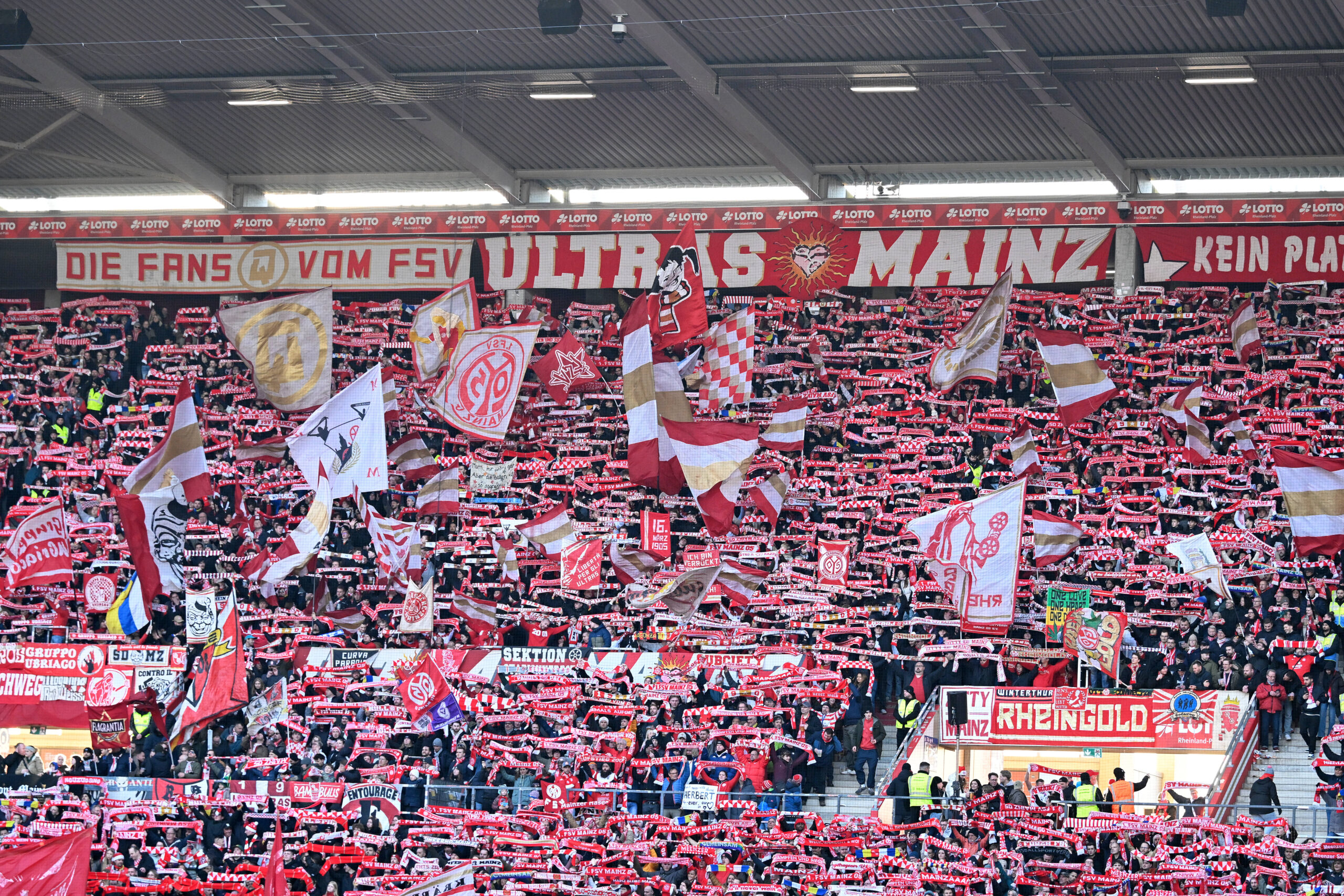
ALSO READ: The Heart of the Game: Football Fans and the Culture That Shapes the Sport
Lessons From Recent Title Races
The parallels with past campaigns remain relevant, but the response against Aston Villa felt notably different. Where previous pressure produced hesitation, this performance suggested trust – in structure, in personnel, and in identity. It was an assertion chosen deliberately, not chaos embraced accidentally, and it hinted at growth shaped by hard lessons from the Premier League title race.
Yet one performance does not confirm transformation. The Manchester City title challenge continues to loom, and history has already shown that isolated statements mean little without repetition. Defending narrow margins has rarely sustained success for Arsenal in recent title races; sustained assertion has always been the missing proof.
The real test, then, lies not in what Arsenal did once, but in what they do next.
Matches such as the upcoming fixture against Bournemouth offer a clearer measure of whether this Arsenal’s shift in mentality is genuine. Against opponents they are expected to dominate, the temptation to retreat into comfort has often resurfaced under Arsenal title race pressure. If Arsenal respond to those moments with the same ambition shown against Aston Villa – pushing for control rather than protecting advantage — the change becomes credible.
Consistency, not spectacle, will define this evolution. Arsenal title race pressure will not ease, and the Premier League title race will remain unforgiving. What will determine Arsenal’s fate is not whether they can produce a statement win, but whether they can repeatedly choose assertion over anxiety.
If that mindset holds, the Aston Villa victory may be remembered not just for its scoreline, but as the moment Arsenal stopped reacting to pressure – and started setting the terms.
Main Photo
Credit: IMAGO / Sportimage
Recording Date: 31.12.2025