

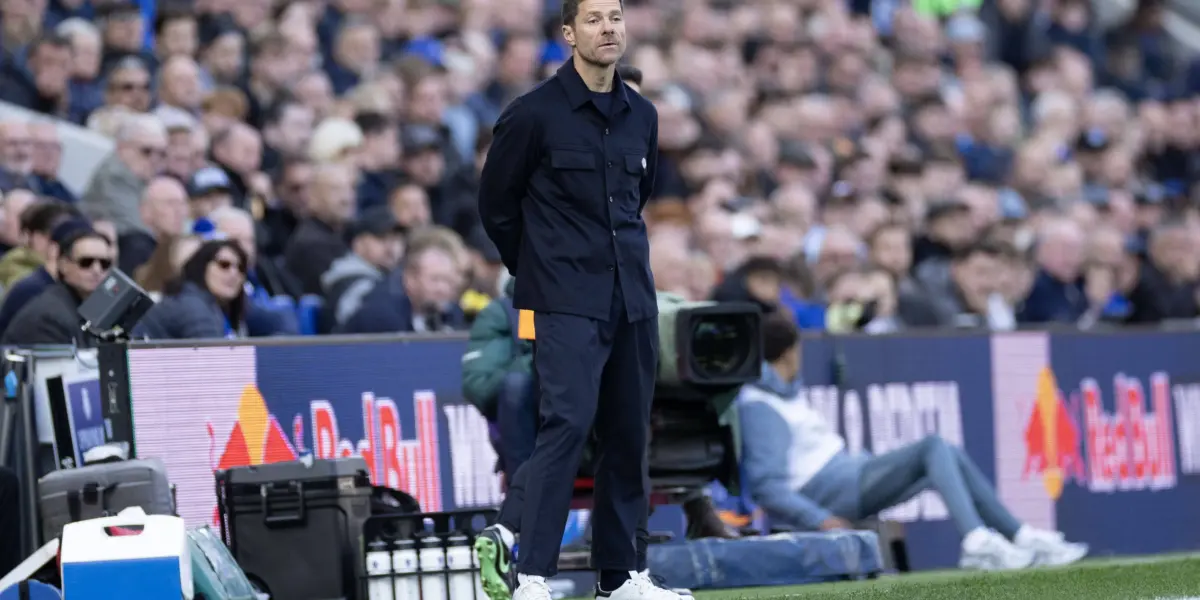
Chelsea low possession under Xabi Alonso is becoming hard to ignore, with the Blues struggling to impose themselves on games and dictate the tempo of their performances.
Since the beginning of the season, Chelsea have found it difficult to dominate key areas across the pitch, limiting their ability to influence matches consistently.
This lack of control has given opponents opportunities to exploit gaps in the team’s structure, further exposing weaknesses that have contributed to their inconsistent performances.
As these concerns grow, the key question is whether Chelsea low possession is a major factor behind their uneven form. Examining Alonso’s tactical approach and how his side responds to different opponents can help explain the problem.
Chelsea Low Possession: When Surrendering the Ball Becomes a Problem
Chelsea low possession is becoming a problem and an increasingly concerning feature of their season so far, with the Blues struggling to dictate the tempo against their opponents.
Despite these concerns, Xabi Alonso has defended his approach, arguing after the defeat to Tottenham that winning is more important than possession figures. His stance raises questions about how much importance he places on controlling games.
However, while possession is not an automatic indicator of performance, consistently low figures can reveal how little control a team has over a match or its ability to impose dominance.
That has been the case for Chelsea so far this season, as they have struggled to impose their authority and control matches, even on home soil at Stamford Bridge.
Their consistently low possession has handed opponents the initiative, allowing them to dictate the tempo and making it harder for the Blues to impose their own style or maintain sustained pressure.
The key issue now is whether Chelsea can continue surrendering possession without further damaging their defensive stability and limiting their attacking output.
Chelsea Are Losing Control: How Opponents Have Found Room to Take Over Games
Chelsea low possession has allowed opponents to sustain long spells of pressure and control the tempo for much of the game.
After eight league matches, Chelsea rank 14th in average possession, with 46.20%, underlining their struggles to retain the ball and control matches consistently.
That lack of control has given opponents greater freedom to move the ball through central areas, advance their full-backs, and pin Chelsea deeper in their own half.
Sustained possession from opponents forces Chelsea into a deeper defensive shape, reducing the time and energy available to construct their own attacks.
This pattern is partly driven by Xabi Alonso Chelsea tactics, which place less emphasis on dominating possession and more on direct attacking play. Once Chelsea regain the ball, they tend to move quickly into transition and attack the opposition’s defensive line.
Chelsea low possession has also been coupled with an inability to control or dominate matches, as evidenced by their 2-0 defeat to Tottenham, during which they had just 31% possession.
They were outplayed and dominated by Spurs, spending much of the game chasing the ball and struggling to string successful passes together.
That lack of possession and control has also taken a toll on Chelsea’s defensive stability, which has been one of their biggest problems this season.
READ MORE: Arsenal vs Fleetwood Town: The Warning Signs Behind Being “Grimsby’d” by League-Two Minnows
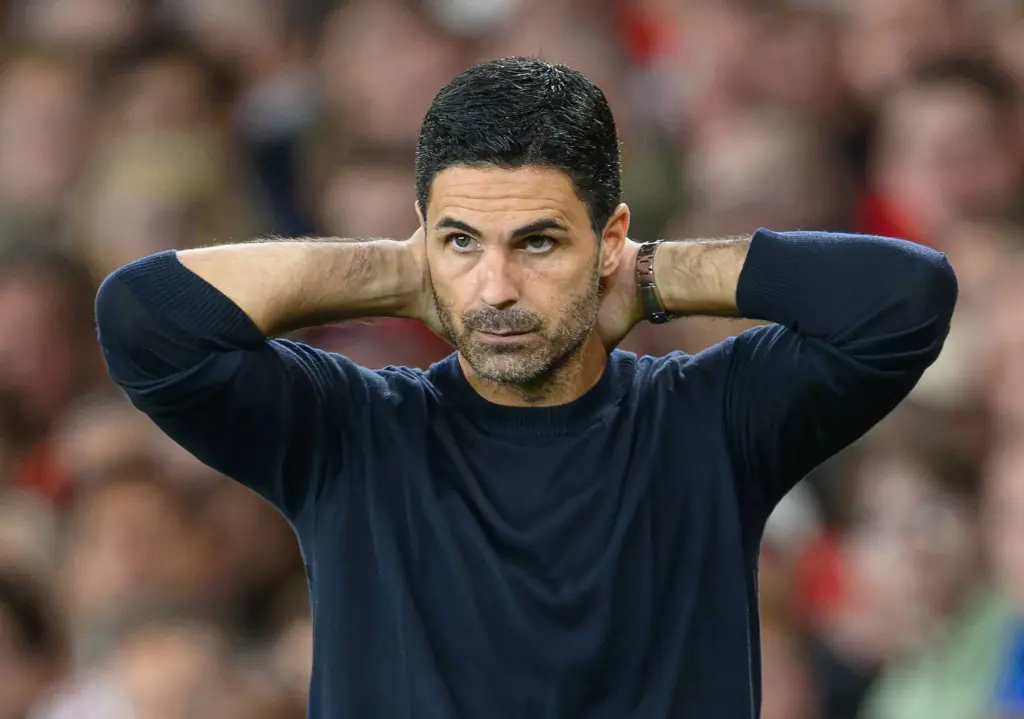
More Pressure, More Chances Conceded: Is Chelsea’s Defence Paying the Price?
Chelsea low possession has allowed opponents a greater share of the ball, translating into more shots and clearer chances inside the Blues’ penalty area.
Chelsea have conceded 15 league goals this season, the joint third-highest tally in the league, suggesting significant defensive vulnerability.
They have also faced 45 shots on target in just eight league matches, indicating the consistent pressure they have endured at the back and how easily opponents have been able to penetrate their defence.
That ease of penetration can partly be attributed to the possession and control Chelsea have surrendered, as sustained periods without the ball leave defenders under constant pressure.
Chelsea are showing signs of struggling when required to clear the ball, close down shooters, or defend cutbacks after long spells without possession.
The defensive midfielders and centre-backs consequently face a significantly heavier workload when opponents launch repeated attacks, testing both their physical capacity and concentration.
Extended periods of defending also raise the risk of fatigue-related errors, especially in the closing stages of matches when concentration and recovery speed can decline. This may help explain why Chelsea have struggled to maintain their defensive organisation throughout games.
The problem stems from Chelsea low possession and underlying weaknesses in their defensive structure rather than one factor alone. Yet the consequences are not limited to their own half, as the energy spent defending also affects how effectively they can build attacks and create chances.
Chelsea’s Attack Is Suffering Too: Are They Creating Too Few Chances to Win Consistently?
Chelsea low possession is also affecting their attack, reducing the time they spend in advanced areas and limiting the opportunities to create clear-cut chances.
The side has struggled to construct prolonged attacking sequences, connect passes in the final third, and involve its most dangerous players consistently.
Chelsea rank 14th in the league for expected goals, with 10.33, suggesting they are not consistently cutting teams open and are relying more on individual movements than sustained spells of high-quality chance creation.
That can be contrasted with the 17 goals Chelsea have scored in the league, highlighting how clinical they have been in front of goal, particularly through their in-form front three despite the limited number of big chances created.
That clinical attacking play has been a major positive this season, with Xabi Alonso tactics also contributing heavily. However, creating several big chances in a game remains a problem, and when Chelsea fail to convert their limited opportunities, they struggle to score, as seen in their defeats against Brentford and Tottenham.
Fewer attacking possessions have left Chelsea increasingly dependent on counterattacks, quick transitions, and isolated moments of individual brilliance.
Relying heavily on counters, quick transitions, and individual moments without generating enough chances through fluid possession play might produce short-term results, but it is unlikely to deliver consistent winning performances over a full season.
YOU MAY ALSO LIKE: Premier League Goalkeepers: Why They Are Becoming More Important to the Way Teams Play
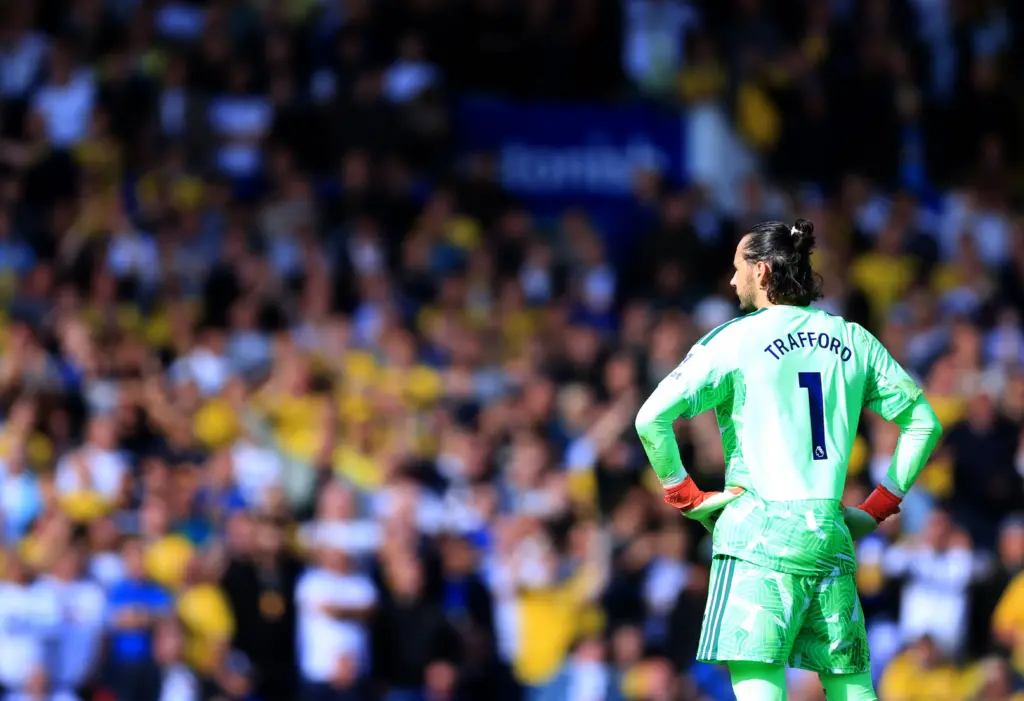
Alonso’s Tactical Gamble: Is Chelsea’s Approach Suited to the Players at His Disposal?
The Blues’ low-possession approach needs to be assessed alongside the Xabi Alonso Chelsea tactics to determine whether it is a deliberate tactical choice or an attempt to play to the strengths of the available players.
The squad’s technical ability and composure are constantly tested when opponents press high, raising questions about the players’ ability to retain possession in tight areas.
Although Chelsea have talented midfielders, they lack the ideal profile to control matches and recycle possession consistently from midfield. Valentino Barco comes close to this profile, but he lacks the physicality and Premier League experience needed to fulfil the role consistently.
Despite that weakness, Xabi Alonso Chelsea tactics can be refined to provide greater control by prioritising shorter, more accurate passing sequences, using the goalkeeper and centre-backs more effectively in build-up play, and ensuring midfielders offer constant passing angles.
The holding midfielder should be given the responsibility of dictating the tempo and receiving the ball under pressure, while the full-backs or wing-backs should help maintain possession and provide additional passing options.
Alonso can also make adjustments by demanding greater positional discipline during the first phase of build-up, encouraging more deliberate circulation rather than early long passes, and refining pressing triggers so the team can recover the ball in better areas.
Changes in these areas could address the Chelsea low possession problem that has contributed to their inconsistency while giving the team greater dominance and control across the pitch.
Extra Time Notes
Chelsea low possession under Xabi Alonso has exposed problems with controlling matches, defending sustained pressure, and creating consistent chances.
Alonso needs to find a better balance between direct attacking and possession control, giving Chelsea more stability in midfield and defence. The key test now is whether he can make these adjustments to improve Chelsea’s consistency and reduce the pressure opponents continue to create.
More Premier League News
Premier League Managers Running Out Of Time: Who Must Deliver Results Before They Are Sacked
Manchester United Recruitment Problems: Why Spending Money Is Not Enough