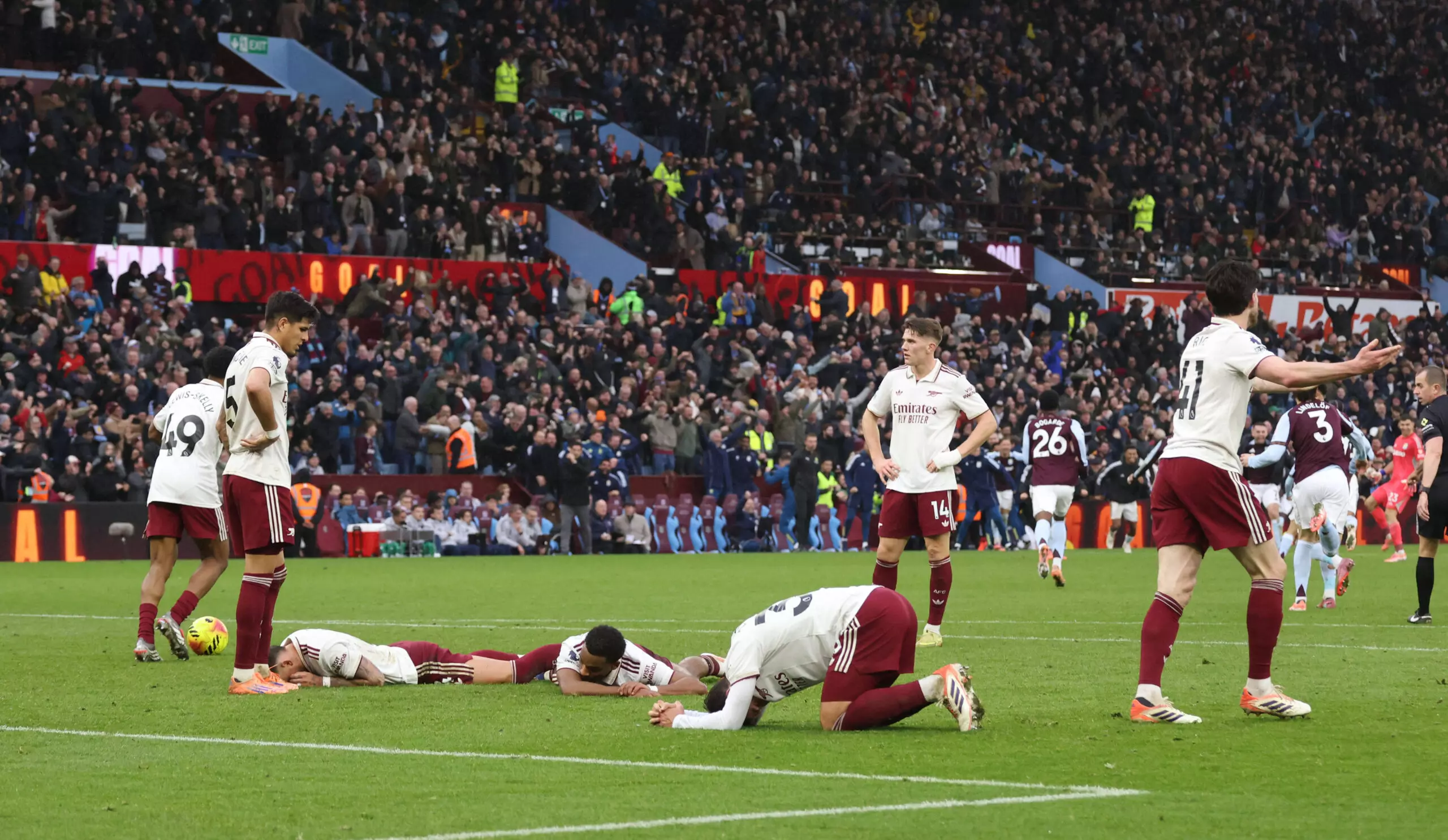

It has been a long, disappointing, and emotionally draining campaign, but finally, Chelsea’s disastrous season has come to an end – and fittingly, it ended in defeat against Sunderland.
Coming into the campaign fresh off the back of a global cup triumph, many expected Chelsea to build momentum and finally show signs of progress. Instead, questionable decision-making both on and off the pitch quickly sent the season spiralling out of control.
In many ways, the performance against the Black Cats perfectly summed up the Blues’ season.
Right from kick-off, Chelsea’s attack displayed the same problems that have haunted them throughout the campaign – a lack of creativity, poor decision-making in the final third, and an inability to consistently score goals.
It is the same issue that saw the Blues endure a six-game run without finding the back of the net. Sunderland’s tactical setup also exposed another recurring weakness, as Chelsea were once again physically overpowered in midfield.
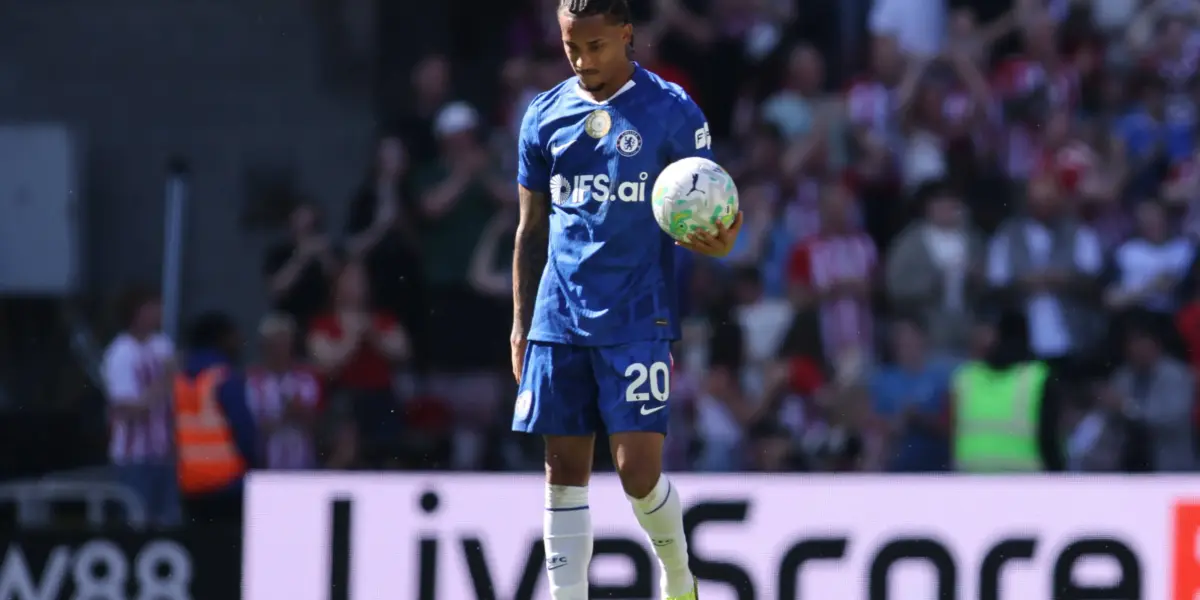
Chelsea’s disciplinary issues, which had plagued them all season were also evident once again. Wesley Fofana’s red card against Sunderland was Chelsea’s eighth red card of the league campaign – four more than the next highest team, Tottenham.
The French defender became the only Chelsea player to receive two red cards this season, while the club’s total across all competitions rose to a staggering 11 dismissals.
Defensively, Chelsea were equally poor. Conceding 52 league goals raises serious questions about how a squad assembled for nearly £2bn still lacks reliable depth and quality in key defensive areas.
Beyond the tactical and technical shortcomings, there was also a worrying lack of character on the pitch. There was little fight, urgency, or belief from the players, and at times it looked as though the squad had mentally checked out long before the season reached its conclusion.
For Sunderland – a side promoted only last season – to beat Chelsea both at home and away for the first time since the 2000/2001 campaign and then finish above them to secure European qualification is a damning reflection of where the Blues have failed behind the scenes.
Poor squad balance, inconsistent recruitment, and managerial instability have all contributed heavily to Chelsea’s decline.
Despite signing several new players last summer, Regis Le Bris managed to build a balanced, organised, and cohesive Sunderland side that exceeded expectations to finish seventh, even though many had tipped them to be in a relegation battle at the beginning of the season.
Chelsea’s Disastrous Season: Two Key Lessons the Blues Must Learn to Avoid Another Collapse
1) Constant Managerial Changes Cannot Fix a Broken Foundation
Sacking Enzo Maresca was a decision that shocked both fans and players, especially after the Italian publicly spoke about being “happy” at the club and having “multiple years left on his contract.”
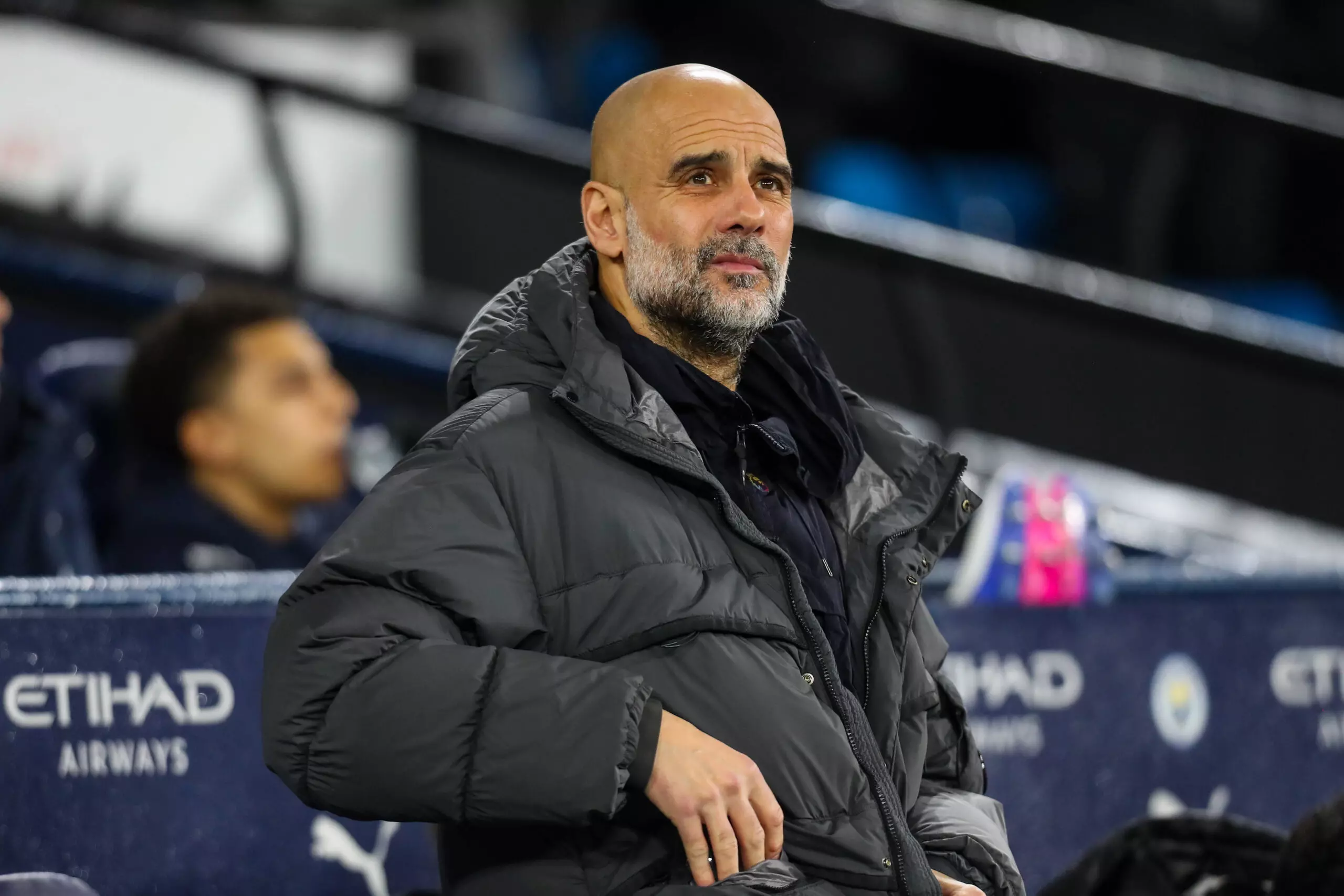
In hindsight, losing Enzo Maresca – who is now reportedly close to becoming Manchester City’s new manager following Pep Guardiola’s departure from the Etihad – proved to be a far bigger blow than many within the Chelsea hierarchy initially anticipated.
The board went through three different managers in just 10 months, creating a damaging atmosphere of tactical instability and confusion within the squad.
Several players found themselves trapped in a constant cycle of adapting to new systems, philosophies, and demands almost every few months – moving from Maresca to Rosenoir, then to Callum McFarlane, and now to Chelsea’s new manager, Xabi Alonso.
Chelsea’s managerial instability inevitably affected performances on the pitch. Individual confidence dropped significantly, cohesion disappeared, and frustration within the squad became increasingly visible throughout the campaign.
The lack of continuity also contributed to a disciplinary collapse, with Chelsea accumulating a staggering 112 yellow cards over the course of the season.
THE LESSON: Endlessly scapegoating managers does not hide deeper structural problems within the squad.
Chelsea’s issues extend beyond the dugout. Constant managerial changes cannot compensate for poor squad construction, imbalance in key areas, and a lack of experienced leadership on the pitch.
Had the club committed to a high-level coach from the very beginning, given him genuine authority as a manager, and shown patience through difficult periods, Chelsea may not have found themselves in this position.
Instead, the hierarchy appeared convinced that they had discovered a modern blueprint for instant success, but many of those decisions have ultimately backfired.
Sustainable success at elite level requires patience at executive level, stability in the managerial position, and a clear long-term football structure – something Chelsea now hope to finally establish under Xabi Alonso.
2) Chelsea’s Youth-First Project Has Exposed a Dangerous Lack of Leadership
Since the BlueCo takeover in 2022, the club has remained committed to a very specific recruitment model – signing young and highly rated talents from across the globe, integrating them into the squad, and hoping they eventually develop into elite players capable of building chemistry together over several years.
The long-term vision behind the strategy was clear: create a young core that could grow together while also generating major profits from future sales should valuable offers arrive.
However, despite the enormous investment, the project has delivered very mixed results.
Only a handful of signings have genuinely established themselves as reliable top-level performers, while the majority have struggled to meet the standards required to compete consistently at the highest level.
As a result, Chelsea’s squad often looks unbalanced, inexperienced, and lacking the proven quality expected from a team that has spent nearly £2bn assembling it.
Rather than building a cohesive and complete squad, the recruitment strategy has at times felt more like an accumulation of promising individuals without enough attention being paid to leadership, profile balance, physicality, experience, and immediate readiness to compete for major honours.
And now, that reality is reportedly causing some of Chelsea’s more experienced players like Marc Cucurella and Enzo Fernandez to reconsider their long-term futures at the club.
Players like Jamie Gittens, Alejandro Garnacho, Liam Delap and Mamadou Sarr have struggled to make that elite level leap. And as a consequence, Chelsea have fielded the most expensive squad in football history, but have lacked natural on-pitch leaders.
The lack of maturity in the squad exposed the player’s soft underbelly, saw them concede 53 goals across all competitions and caused severe tactical panic whenever opponents applied aggressive press.
THE LESSON: Chelsea’s owners should learn that a reliance on young players is never enough. To build a proper squad that actually wins trophies rather than just holding potential, the board must actively balance major recruitments with experience, mentally resilient leaders who can command a dressing room.
And with reports stating that Chelsea’s new manager, Xabi Alonso, will have greater influence over transfer decisions at the club, fans will hope that future signings are driven more by the manager’s tactical preferences rather than solely by Chelsea’s youth-focused recruitment model.
YOU MAY ALSO LIKE: Crystal Palace’s UEFA Conference League Journey: The Eagles’ Road To The Final In Leipzig
Chelsea’s Decline Shows How Ruthless the Modern Premier League Has Become
The modern Premier League is unforgiving. The quality across the division continues to rise, meaning financial power alone is no longer enough to guarantee success.
Underdogs are now more than capable of competing with – and outperforming – the traditional elite, whether in isolated matches or over the course of an entire campaign.
And in a league where even the smallest mistakes in recruitment, squad planning, and managerial appointments can immediately allow rivals to pull ahead, Chelsea have repeatedly made the wrong decisions in key moments. That is why the Blues have now failed to qualify for Europe twice in the last four seasons.
Moving forward, supporters will hope that, after Chelsea’s 10th position on the EPL table, the hierarchy will finally have learned the two key lessons needed to prevent this decline from becoming the club’s new reality.
Main Photo
Credit: IMAGO /NurPhoto