
Three weeks. That is how long football fans had to wait for the club game to return, and judging by what happened during the international break, the wait was anything but quiet.
While supporters were busy counting down to the return of weekend football, football’s biggest stars were creating storylines of their own, from emotional farewells and unexpected drama to injuries that left clubs holding their breath.
Lionel Messi was given a hero’s send-off, Cristiano Ronaldo found himself at the centre of another headline-grabbing saga, and the Nations League quarter-final picture began to take shape. Meanwhile, several of Europe’s biggest clubs were left sweating over injured stars, and heavyweight managers began writing the first pages of new international chapters.
So, what exactly happened during those three weeks away? Here are five things that happened during the international break.
International Break Talking Points
1. Messi And Ronaldo Had Very Different International Endings (At Least For Now)
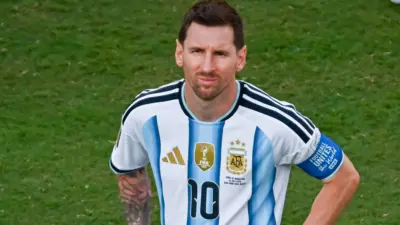
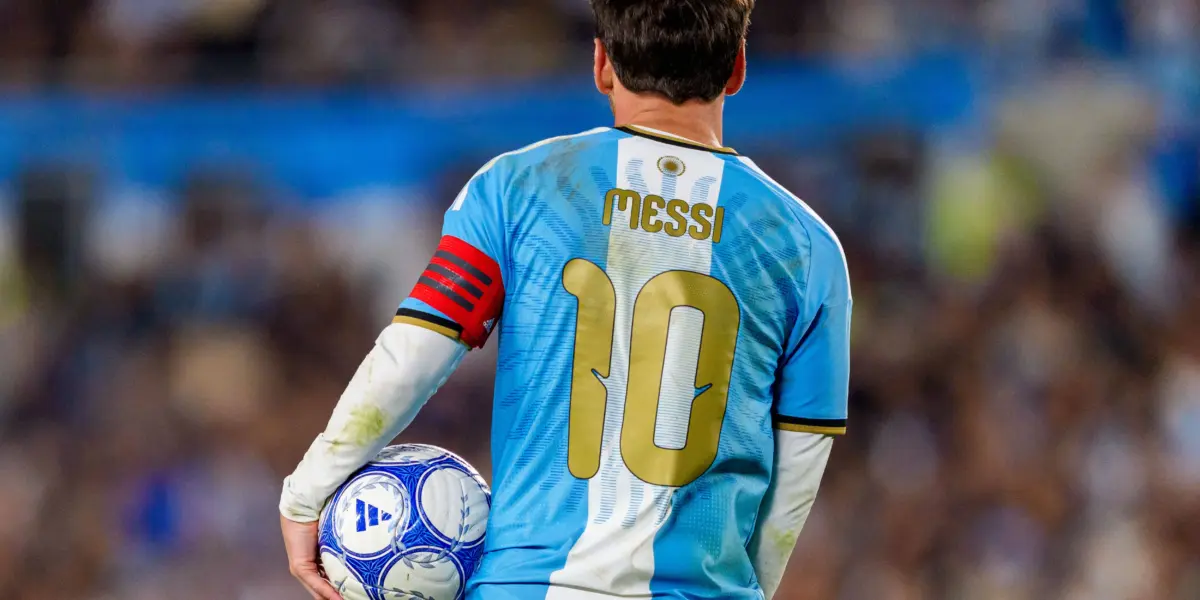
If anyone needed a reminder that football loves a dramatic contrast, this international break provided it. In Buenos Aires, Lionel Messi received the farewell every footballer dreams of: an 85,000-strong crowd at the Monumental, an emotional tribute, a goal in his final Argentina appearance, and nearly 10 minutes spent addressing supporters who had watched his remarkable journey from beginning to end.
It was less a football match and more a celebration of a national icon, with Messi surrounded by teammates, family, and fans as Argentina said goodbye to its No.10. Even the tears felt appropriate; after two Copa América titles and a World Cup, there was little left for Messi to prove, only memories left to savour.
About 6,000 miles away, Cristiano Ronaldo’s international break was playing out differently. Ronaldo found himself at the centre of a dispute with Portugal manager Jorge Jesus after being left on the bench against Norway and subsequently leaving camp after learning he would not start against Denmark.
He later released a lengthy statement accusing Jesus of an “absolute breach of trust”, turning what might have been a routine selection disagreement into another chapter of the Ronaldo saga. Ronaldo may still have a path back to Portugal, but the contrast is striking: Messi’s goodbye came with tears, applause, and a hero’s send-off, while Ronaldo’s latest international chapter arrived with controversy, headlines, and enough drama to fill an entire season
2. The Nations League Quarter-Final Picture Is Taking Shape
The international break has started to reveal the teams that could battle for Nations League glory, with Spain and Portugal already securing their places in the quarter-finals.
Spain maintained their perfect record with a dramatic 2-1 comeback against Croatia, while Portugal continued their impressive run by beating Norway 2-1. France also strengthened their position with a convincing 4-1 win over Belgium, keeping them firmly in contention for the knockout stage.
With two league-phase matchdays still to play, the international break has made the race for the remaining quarter-final places even more intriguing.
The battle remains wide open with Italy, Netherlands, Germany, England, and Denmark among the nations fighting to join the early qualifiers. Every remaining match could significantly change the standings and produce completely different quarter-final combinations.
Rather than giving fans a finished knockout bracket, this international break has provided a glimpse of the dramatic matchups that could be waiting in the next round. With the final places still up for grabs, the Nations League has given supporters another reason to look forward to the next international window.
READ MORE: Viktor Gyokeres Form: Why He Looks Unstoppable For Sweden But Struggles At Arsenal
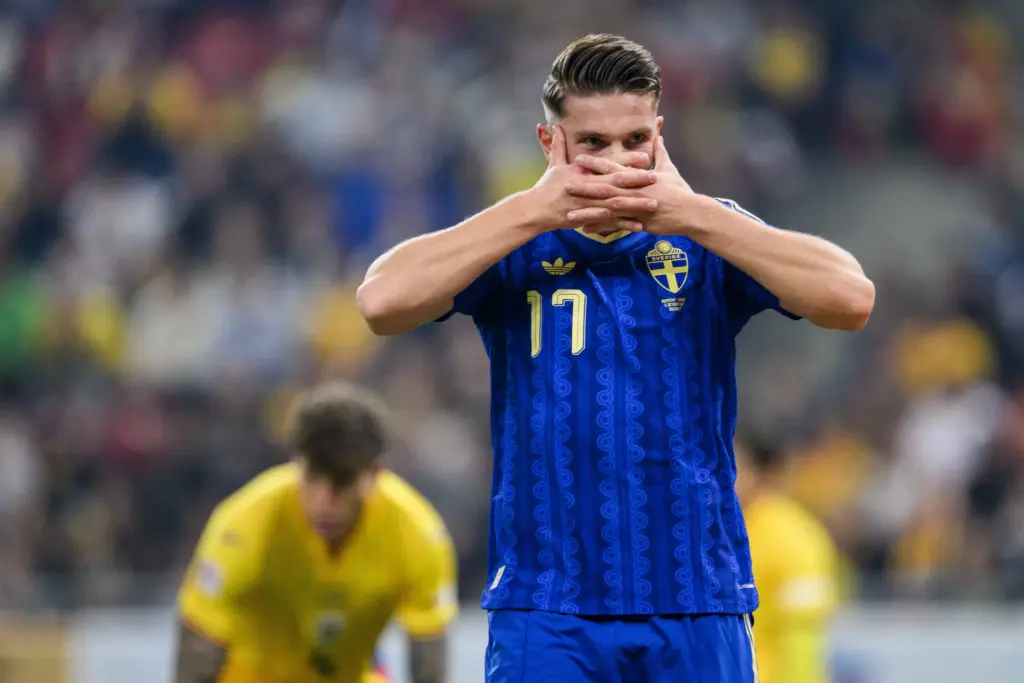
3. The Injury Bill: Which Clubs Took the Biggest Hit?
The international break came with a painful price for several of Europe’s biggest clubs, with star names returning from national duty carrying fresh injury concerns.
Arsenal were among the hardest hit, with Kai Havertz suffering a muscle problem while Martin Ødegaard also picked up a knock, although the Norwegian’s issue proved less serious than initially feared. Liverpool were dealt another blow as Alexander Isak returned with a thigh problem and Cody Gakpo suffered an ankle injury after being forced off for the Netherlands.
The list of high-profile casualties did not stop there, with Manchester United monitoring Bruno Fernandes and Patrick Dorgu, while Real Madrid had concerns over Kylian Mbappé after the France forward suffered a knee problem. Barcelona also had to deal with Raphinha’s thigh issue, while Bayern Munich were hit by Jamal Musiala’s thigh injury, adding another major name to the growing list.
For clubs, this international break was therefore a mixture of relief and frustration: some stars returned fit while others walked straight from the airport into the medical room. The timing could hardly be worse with domestic football returning and the biggest clubs entering a demanding stretch of the season.
In the end, the international break did not just reshape national-team ambitions. It may have reshaped the fortunes of several clubs too.
4. New Managers Make Their Mark
The international break offered the first real glimpse of how several heavyweight managers could reshape their national teams, with Zinédine Zidane, Jürgen Klopp, and Xavi Hernández among the biggest names stepping into new roles.
Zidane’s France quickly showed signs of his attacking philosophy by combining aggressive pressing with quick transitions and giving creative players more freedom in the final third. Klopp’s Germany brought a more intense, high-energy approach, with aggressive pressing and rapid attacks designed to win the ball high and turn defence into attack within seconds.
Xavi, meanwhile, has focused on possession and positional play with the Netherlands, attempting to control games through patient build-up while creating overloads in midfield. Jorge Jesus has also brought his own tactical identity to Portugal, favouring attacking football, width, and quick combinations while trying to get the best from a squad packed with experience and young talent.
With other big-name coaches beginning new chapters, this international break has offered an intriguing preview of how Europe’s elite national teams could look when the stakes become even higher.
YOU MAY ALSO LIKE: Christos Tzolis Injury: How Will Arsenal Cope Without In-Form Winger?
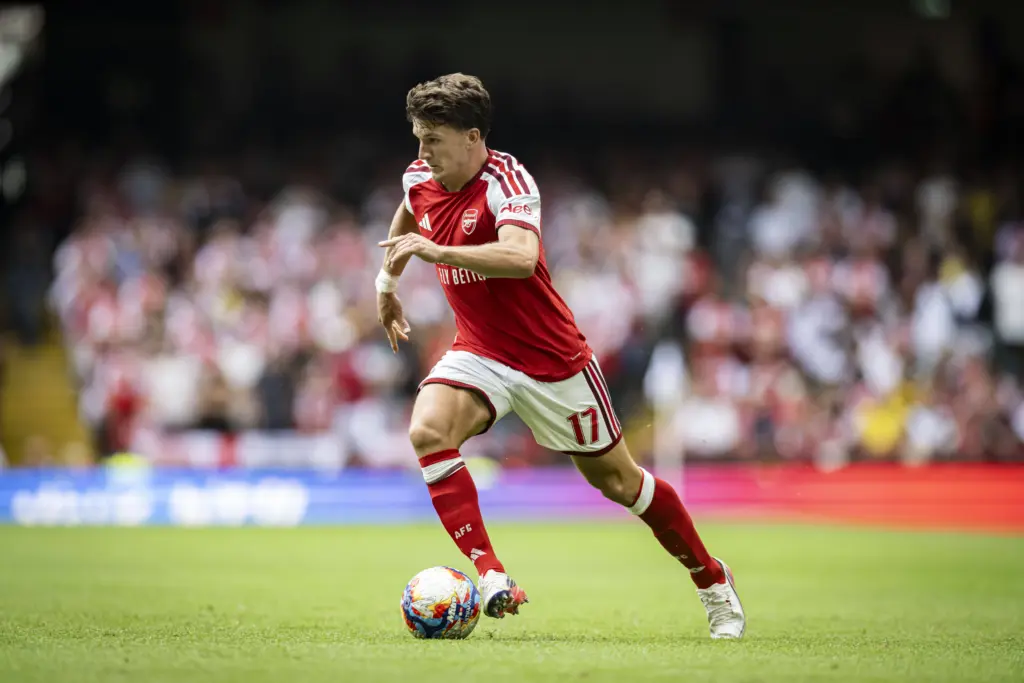
5. Is Three-Week International Break Actually Good For Football?
Here is the big question: Was the 3-week international break a welcome change of pace, or did it simply interrupt club football when the season was getting interesting?
The answer is probably both.
For supporters who live for club rivalries, the international break can feel frustrating: momentum disappears, weekend routines change, and the biggest domestic storylines temporarily go cold.
But the other side deserves attention.
The international break gives football something club competition cannot: National Identity. Argentina, Portugal, Spain, France and Germany are not just teams; they represent entire football cultures.
And this particular international break delivered drama, pressure, controversy, heroes, and heartbreak. Perhaps that is the real lesson. Football does not need to be nonstop to be entertaining. Sometimes, stepping away from the club game makes us appreciate it and international football…even more.
After three weeks away, the international break is over. And judging by what happened, football certainly knows how to make a comeback.
Extra Time Notes
Three weeks away from club football somehow produced enough drama to fill an entire season, and the international break certainly did not disappoint.
Messi received the farewell of a hero, Ronaldo found himself starring in another chapter of football’s favourite saga, while the Nations League race began to heat up. Add a growing injury list and the first tactical clues from heavyweight new managers, and suddenly the international break looks less like a pause and more like a plot twist.
For clubs, there are stars to recover, questions to answer, and momentum to rebuild, while for fans, there are now even more storylines to follow as the season enters its decisive stages. If this is what happens during an international break, football fans might want to buckle up for what comes next.
More International Football News
Changes: South American International Teams Enter a New Era
Argentina Says Goodbye to Lionel Messi With Tears and Fireworks