
The Manchester United wage strategy is undergoing a quiet but significant transformation behind the scenes at Old Trafford.
While attention often centres on transfers and matchday results, executives inside the club are reworking how contracts, salaries, and renewals are structured. This shift reflects a broader effort to restore financial stability and create a sustainable foundation for long-term squad building.
In recent seasons, United’s wage bill has been among the highest in European football. Several high-profile contracts signed in previous cycles left the club with heavy financial commitments and inconsistent on-pitch returns.
That experience has triggered a fundamental rethink. The current Manchester United wage strategy is now designed to reward performance, protect future flexibility, and align spending with a clearer sporting plan.
Senior figures at Carrington have reportedly introduced stricter internal frameworks for salary ceilings, incentive-based pay, and contract length control.
Rather than offering large guaranteed wages to attract or retain players, the new model prioritises structured progression and merit-based renewals. This is intended to prevent the imbalance that previously developed between star earners and emerging talents.
Why Is The Manchester United Wage Strategy Changing?
Financial sustainability regulations across the Premier League have intensified scrutiny on club spending.
Reporting has highlighted how profit and sustainability rules are influencing executive decisions throughout the league.
A recent overview of Premier League financial compliance trends outlines how clubs are adapting their wage and transfer policies to avoid long-term risk.
United’s leadership group has taken note. The Manchester United wage strategy is now directly shaped by financial governance, not just football priorities.
Every new contract is assessed against projected revenue, squad balance, and resale value. This has slowed negotiations but added much-needed structure.
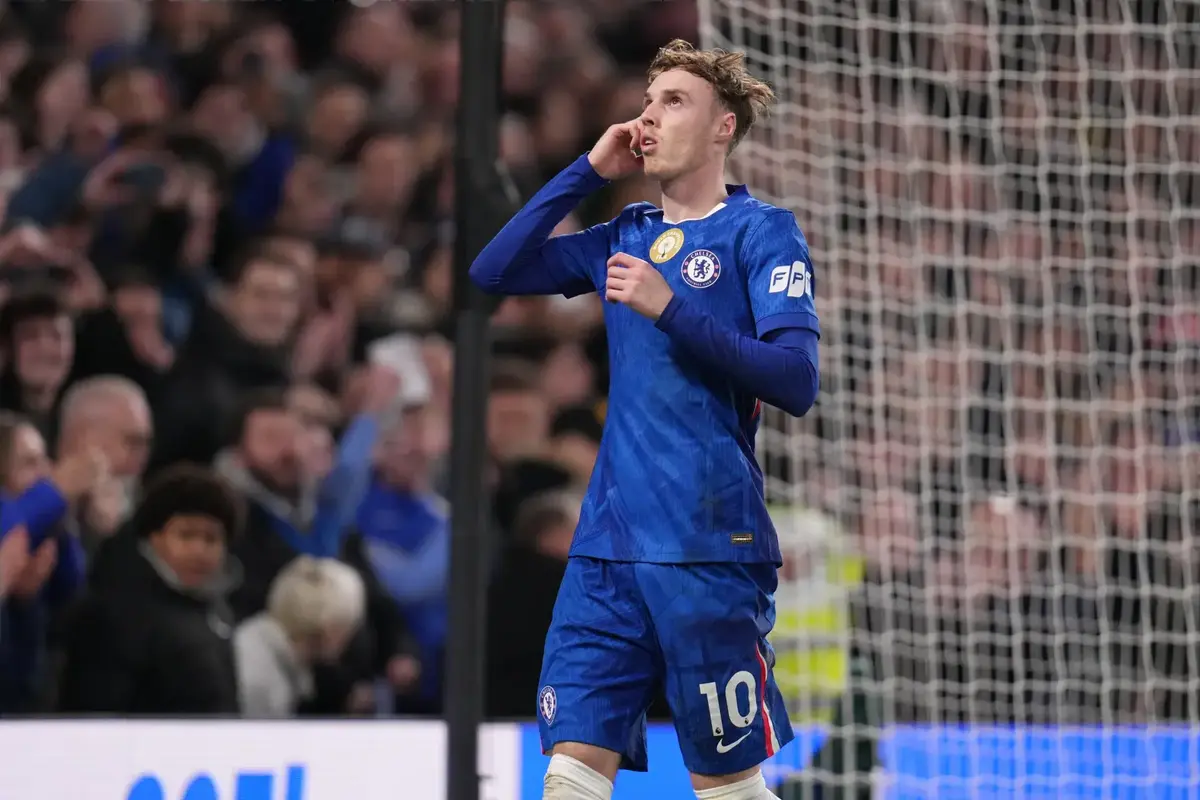
YOU MAY ALSO LIKE: Cole Palmer To Manchester United: Have The Rumours Been Well And Truly Shutdown?
Locking Down Young Talent Early
A key pillar of the Manchester United wage strategy is shifting focus toward early contract renewals for emerging core players.
Rather than reacting to external interest or inflated market valuations, United is aiming to secure long-term deals before negotiation pressure escalates. This proactive approach reduces exposure to excessive transfer fees while reinforcing squad stability.
Internally, executives see these actions as essential to rebuilding a coherent salary hierarchy.
Previous cycles saw wage inflation driven by short-term fixes and marquee arrivals. The current model seeks to avoid that pattern by rewarding progression, consistency, and long-term contribution rather than reputation alone.
It is a cultural reset as much as a financial one. Analysis of Manchester United’s wage landscape illustrate how salary distribution across the squad has become a key factor in shaping this new internal structure.
Balancing Ambition With Financial Control
This Manchester United wage strategy has also created new internal dynamics.
Coaching staff naturally advocate for experienced reinforcements to speed up on-pitch progress, while financial departments remain focused on sustainability thresholds and long-term compliance.
The result is a more cautious negotiation environment than supporters have become accustomed to recently. This balance between football ambition and financial governance has become a defining feature of Old Trafford’s current leadership structure.
Old Trafford’s current leadership structure now closely connects strategic decisions regarding recruitment, contracts, and squad development.
What It Means For The United Rebuild
Ultimately, the Manchester United wage strategy is about more than controlling costs. It is shaping recruitment priorities, defining leadership succession, and influencing how the squad evolves over multiple seasons.
Each contract renewal now functions as a building block in a wider structural plan.
If applied consistently, this model could help United restore long-term stability after years of reactive squad management.
For supporters, wage negotiations may appear a background process — but they are increasingly one of the clearest indicators of whether Manchester United’s rebuild is finally grounded in sustainable planning.
Main Photo
Credit: Andrew Yates/Sportimage
Recording Date: 24.11.2025