

The 2025 AFCON will be remembered for many reasons, but nothing captured its chaos quite like the final. Senegal’s AFCON sanctions were already looming even before the match ended, as what should have been a showcase event instead descended into a night filled with controversies.
After a penalty that felt unjust to the Senegalese was given to the Moroccans, it sparked outrage within the Senegal bench and head coach Pape Thiaw, who was later fined $100,000 and received a five-match suspension, ordered his players off the pitch for approximately 17 minutes.
The dramatic gesture ultimately backfired, as CAF later ruled it as “unsporting conduct” and accused Senegal of bringing the game into disrepute. This chain of events ultimately laid the groundwork for Senegal’s AFCON sanctions that would follow in the coming months.
Two months later, after a lengthy review and deliberation, a final verdict was delivered, with Morocco crowned champions via a 3–0 forfeit, while Senegal were stripped of the title under Articles 82 and 84 of the AFCON Regulations, which govern match forfeiture and its consequences, and ordered to return the trophy.
Since the ruling, the Teranga Lions have refused to return the trophy, going as far as declaring themselves the rightful champions, insisting that titles are decided on the pitch, not in boardrooms. They have reportedly planned a title parade, intend to add a commemorative star to their kit, and have filed an appeal at the Court of Arbitration for Sport.
This ongoing standoff has cast a shadow over the competition, damaging its credibility and reinforcing why AFCON continues to struggle for full respect among European audiences.
But despite all this, if the country’s football federation refuses to return the trophy, Senegal’s AFCON sanctions could impact future generations of players, ranging from potential bans from continental competitions and points deductions to financial penalties and reputational damage for the federation.
Senegal’s AFCON Sanctions: Potential Consequences For Refusing to Return the AFCON Title
Disqualification from Future Competitions
This is one of the most severe sanctions the Senegalese side could face. CAF holds the authority to bar the national team from participating in upcoming AFCON tournaments – including the 2027 qualifiers – particularly in cases of non-compliance with its rulings.
Such a suspension could also extend beyond the senior national team. Senegalese clubs may be prohibited from competing in continental tournaments like the CAF Champions League and the CAF Confederation Cup, effectively cutting them off from elite African club football and its financial and developmental benefits – a key part of Senegal’s AFCON sanctions, which could have long-term effects.
The impact could further trickle down to youth football. Senegal’s age-grade teams risk exclusion from major competitions such as the U-17 Africa Cup of Nations, the U-20 Africa Cup of Nations, and might even affect their pathways to FIFA youth tournaments.
This would not only stall player development but also deny a new generation of Senegalese talents the exposure and experience needed on the international stage, further reinforcing the severity of Senegal’s AFCON sanctions.
Escalating Financial Penalties
The Senegalese team has already been fined $715,000 for their conduct during the final. However, should they refuse to return the AFCON title to Morocco, CAF could invoke Article 153 of its disciplinary code to apply further sanctions – including significantly heavier fines, as well as the forfeiture of future prize money and grants.
Despite earning $10 million for reaching the final, CAF could move to withhold or even demand the repayment of that entire sum if the federation continues to defy their order.
In addition, the federation – which provides annual development funding and qualification grants to its member associations – may choose to freeze these payments indefinitely. Such financial restrictions could be used both as a penalty for non-compliance and as a means of recovering outstanding fines.
FIFA Intervention and Global Suspension
If, after all imposed sanctions, the Senegalese team still refuses to return the title, CAF could go the extra mile by requesting that FIFA enforce global disciplinary measures under Articles 13 and 14 of the FIFA Statutes.
Under the FIFA Disciplinary Code, any member association that fails to comply with a final ruling from its confederation is considered to be in breach of the principles of global football governance.
By parading a revoked trophy and with an intention to add a second star to their jersey, Senegal could be deemed to have engaged in defiant conduct, potentially violating provisions such as Article 15 (disrespectful behaviour) and Article 55 (falsifying or misrepresenting officially recognised outcomes).
Ultimately, if the FIFA Council concludes that the Senegalese Football Federation (FSF) is in serious and repeated violation of its obligations, the consequences could be severe. These may include the suspension of membership rights and the imposition of a global ban – a scenario that would place their participation in the 2026 FIFA World Cup at significant risk.
These measures would represent the most serious tier of Senegal’s AFCON sanctions, as such a ban would result in immediate disqualification from international competitions.
YOU MAY ALSO LIKE: Igor Tudor Sacked By Tottenham: What’s Next as Relegation Looms
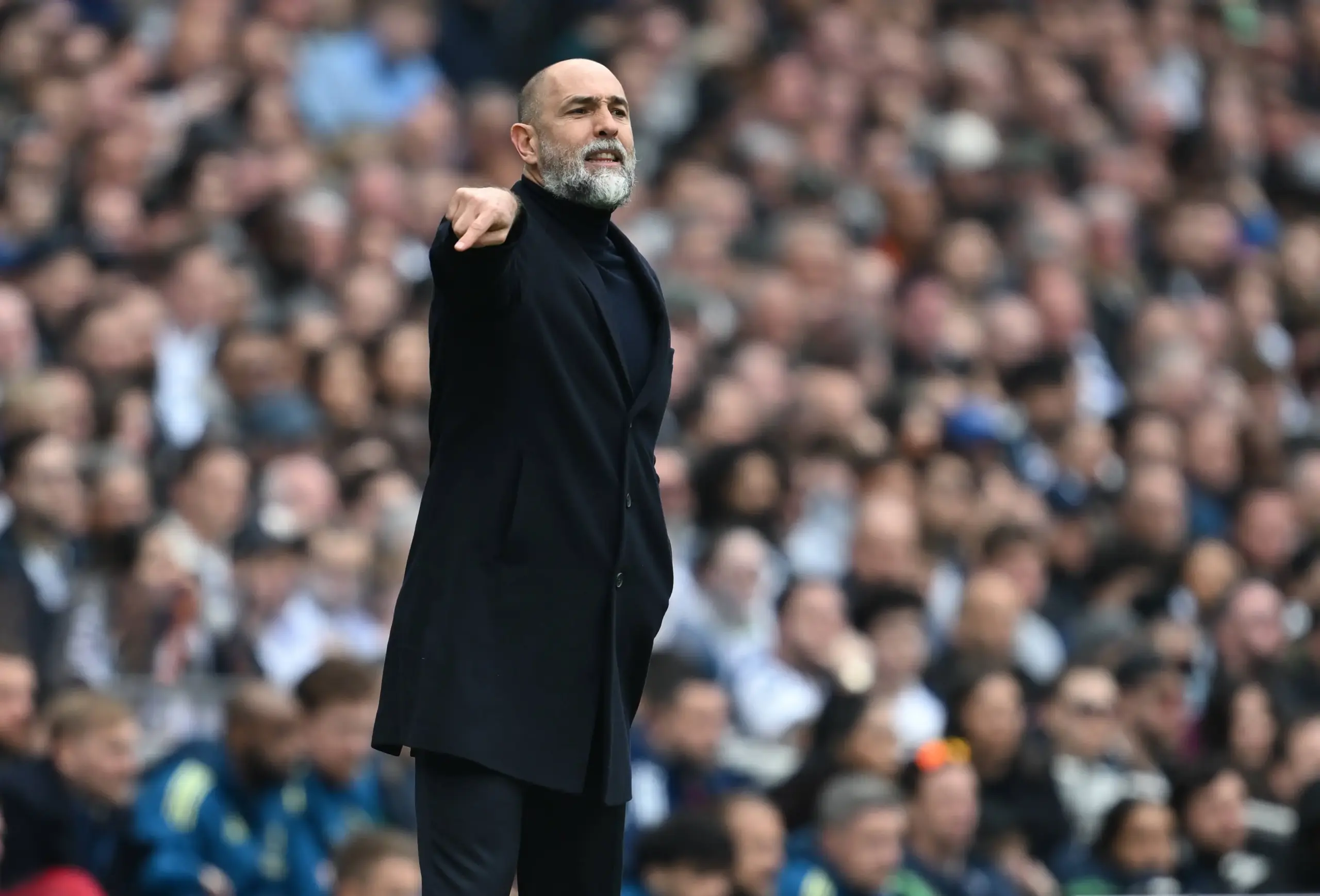
Senegal’s AFCON Sanctions: How a Controversial Final Dented CAF’s Credibility
This entire dispute between CAF, Senegal, and Morocco could have been avoided on the day of the 2025 AFCON final. If Senegal were to be sanctioned for walking off the pitch, the referee had the authority to abandon the match at that moment and award Morocco a 3-0 forfeiture victory.
Instead, Sadio Mané – demonstrating leadership and composure – rallied his teammates, brought them back onto the pitch, and guided them through the remainder of the game. Senegal went on to play the additional 30 minutes of extra time, during which they scored the decisive goal that secured the title.
Now, two months later, the expectation that they should return the trophy has cast a shadow over the competition, raising questions about consistency in decision-making and ultimately denting the credibility of the tournament.
Senegal’s only current legal path to avoid these sanctions is their pending appeal at the Court of Arbitration for Sport (CAS). However, under CAF and FIFA rules, an appeal typically does not suspend the ruling, and once imposed, Senegal’s AFCON sanctions would remain in effect until the trophy is returned or the appeal is decided.
Main Photo
Credit: IMAGO / Sulaiman Pooja
Recording Date: 18.01.2026