
Set-piece coaches are becoming one of football’s most sought-after signings without actually being signed as players. As Premier League clubs search for increasingly smaller advantages, specialist coaching has emerged as another way to improve a squad without spending millions in the transfer market.
Every summer, clubs spend millions searching for the next striker who can score 20 goals, the winger who can create something out of nothing, or the midfielder capable of changing the way a team plays, but while the biggest transfer stories dominate the headlines, another recruitment battle has been quietly taking place away from the pitch.
Today, clubs are increasingly looking towards set-piece coaches to find the marginal gains that can turn draws into wins, narrow defeats into points and promising seasons into successful ones. Set pieces were once treated as a relatively minor part of football preparation — something to work on after the more important tactical details had been covered. However, as tactical systems become increasingly sophisticated and the gap between Premier League teams becomes harder to exploit in open play, dead-ball situations have become one of the clearest areas where clubs can gain an advantage.
With a set-piece specialist, a team can become far more distinctive in both attacking and defensive situations. A well-worked corner, long throw or free kick does not care whether a club has spent £500 million in the transfer window. The opportunity is there for everyone — the difference lies in who is better prepared to take advantage of it.
Then vs Now: How Set-Piece Coaches Turned Dead Balls From A Second Thought Into A Primary Goal Source
20 years ago, the idea of having a dedicated set-piece coach would have seemed almost unnecessary at most Premier League clubs. Coaching staff were considerably smaller, with managers, assistant managers, first-team coaches and goalkeeping coaches handling most of the work. Corners, free kicks and throw-ins were important, but they were generally treated as another responsibility within the wider coaching structure rather than something that required its own specialist.
There were exceptions, of course. Gianni Vio was already exploring the possibilities of specialist set-piece work in the early 2000s, developing an extensive collection of routines while working in banking in Italy. However, the idea of dedicating an entire coaching role to dead-ball situations had yet to become mainstream in English football. That did not mean set pieces were unimportant, and the difference was that teams approached them differently.
In the mid-2000s, physical dominance and individual quality could often make the difference. Having an exceptional delivery specialist such as David Beckham or Frank Lampard, combined with a dominant target such as John Terry or Didier Drogba, could turn a corner or free kick into a major attacking weapon without requiring the elaborate structures that are now associated with modern set-piece tactics. The instruction could be remarkably simple: deliver the ball into a dangerous area and give the strongest players in the box a chance to attack it.
Sam Allardyce’s Bolton Wanderers were one of the clearest examples of how effective this approach could be. Bolton became known for their emphasis on set pieces, long throws, physicality and detailed preparation. José Mourinho’s first Chelsea side also demonstrated how valuable dead-ball situations could be. The Blues were capable of using set pieces as another way to punish opponents and win tight matches.
However, there was a fundamental difference between then and now. Set pieces were important, but they were rarely treated as their own specialised tactical discipline. Part of that was technological. Modern clubs have access to vastly more video, tracking data and analytical information than they did two decades ago. Coaches can study how an opponent defends corners, identify whether they favour zonal or man-marking systems, track the movement of individual defenders and design routines specifically to attack those weaknesses. That has changed the way set-piece coaches work.
A corner is no longer simply a delivery into a crowded penalty area; it can involve decoy movements, screens, blockers, near-post runs, delayed runs and carefully rehearsed positioning designed to create the smallest possible advantage. When open-play football becomes increasingly difficult to separate teams, that tiny advantage can become extremely valuable. Even teams built around possession, positional play and intricate attacking structures recognise that there is little reason to voluntarily ignore one of the most controlled situations they can create in a match.
Arsenal And Nicolas Jover: The Gold Standard Of Set Piece Coaches
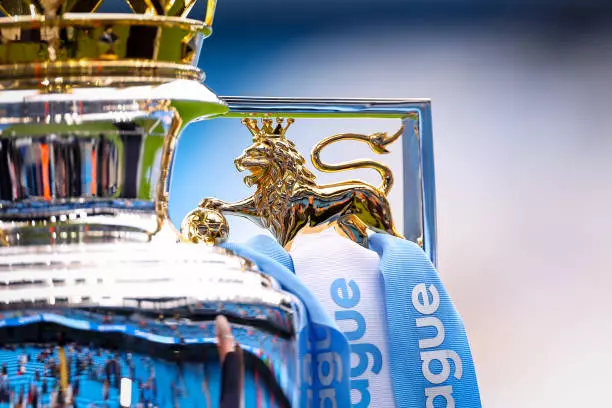
If there is one club that represents the modern set-piece coaches revolution, it is Arsenal. The Gunners, who went on to win their first Premier League title in over two decades last campaign, lifted the trophy on the back of a devastating efficiency in dead-ball situations. During their title-winning campaign, Arsenal scored 25 set-piece goals (excluding penalties) — the most in the division — with 19 of those coming from corners alone, a new Premier League record.
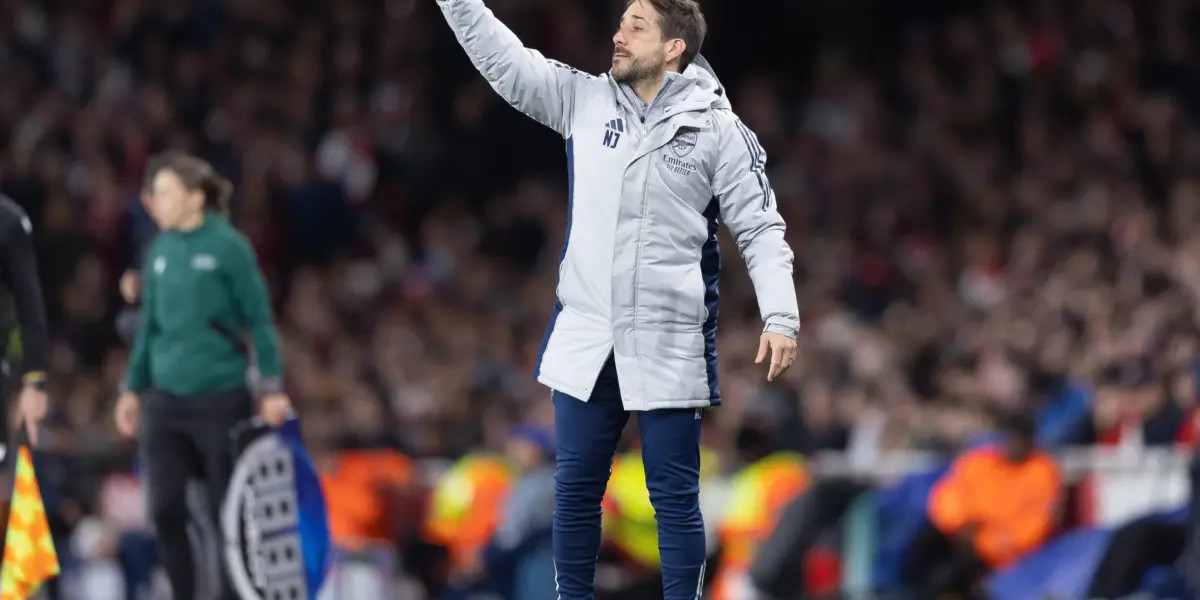
It made set-piece coach Nicolas Jover, once a peripheral figure in the eyes of most fans, one of the most influential figures behind Mikel Arteta’s success. Under both coaches, set pieces have become one of the Gunners’ most reliable attacking weapons. Their routines are not simply about delivering the ball into a dangerous area but creating specific movements designed to disrupt the opposition.
The roles of Ben White and Jurrien Timber are among the clearest examples. The Arsenal defenders regularly position themselves around the goalkeeper, using their bodies to restrict his movement while teammates attack the delivery. What looks like chaos is actually a carefully rehearsed routine designed to create a small advantage inside the box. That is the difference between modern set-piece tactics and the traditional approach. The objective is no longer just to produce a good delivery and hope someone wins the header. Every movement can have a purpose.
YOU MAY ALSO LIKE: Brighton vs Arsenal: How The Seagulls’ Performance Left Everybody Enthralled

The Brentford And Brighton Model
Arsenal are not the only club showing what hiring a specialist set-piece coach can achieve.
Brentford have arguably been the clearest example of a data-led club using dead-ball situations to compete against financially stronger opponents. Their approach extends beyond corners and free kicks, with throw-ins becoming a particularly effective attacking weapon. The Bees have worked with specialist throw-in coach Thomas Grønnemark and have turned long throw-ins into structured attacking situations rather than simple restarts. Between the beginning of the 2024/25 season and early 2026, Brentford produced significantly more chances and goals from throw-ins than any other Premier League team in Europe.
Brighton have followed a similar philosophy, and ironically, both clubs recently demonstrated the value of that investment in back-to-back fashion. Brentford’s opening goal in their 3-0 win over Chelsea came from a corner, while Brighton’s third goal in their 3-0 victory over Arsenal also came from a corner.
It was a fitting reminder that even the teams leading the set-piece revolution can be vulnerable to opponents who are equally well prepared. The lesson from both clubs is simple: set-piece specialists can help clubs find goals and chances without needing to spend millions on another attacking player.
The Rapid Poaching Market
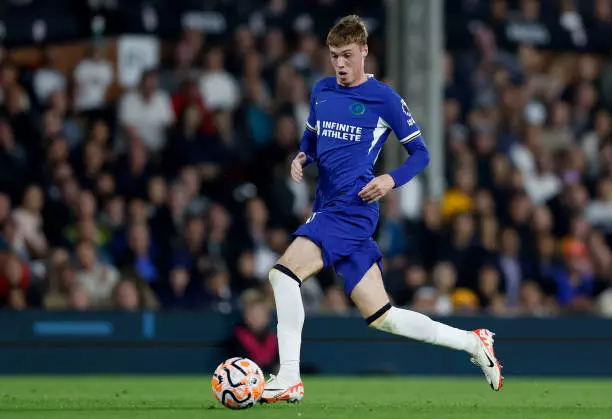
As the value of these specialists has become clearer, the coaches themselves have started becoming part of football’s quiet transfer market. Nicolas Jover worked at Brentford before moving to Manchester City and later Arsenal, while Chelsea recruited Bernardo Cueva from Brentford to lead their set-piece department. That movement is significant because clubs are no longer simply copying successful routines; they are trying to acquire the people who designed them.
A good set-piece coach can spend months studying opponents, developing routines and creating a system that players understand. Losing that person can therefore mean losing a significant tactical advantage. The transfer market may still be dominated by £100 million footballers, but another market is developing quietly behind it — one built around the people who can make the players already at a club more dangerous.
Extra Talk Notes
With the constant changes we see in modern football, the influence of the set-piece coach has become increasingly visible, with these specialists now regularly standing alongside the manager in the dugout. They might not attract the same attention or carry the same price tag as a £100 million signing, but their influence on match days is becoming increasingly difficult to ignore.
The Premier League has become more competitive than ever, with very little separating teams across the table. And as those margins continue to shrink, clubs will look to exploit every advantage they can find — whether it comes from a throw-in, corner or free kick — because sometimes, that small advantage can be the difference between walking away with one point and securing all three.
More Premier League News
Brighton vs Arsenal: Key Battles Ahead Of The 2026/27 Premier League Season At The Amex Stadium
Fulham vs Manchester United: Key Battles Before 2026/27 Premier League Clash at Craven Cottage