

Following yet another defeat, Tottenham Hotspur sack Thomas Frank, but this didn’t happen just because the football lacked sparkle.
The Spurs hierarchy pulled the plug because the table stopped being background noise and started sounding like a warning siren, the kind that makes reputations wobble and boardrooms sweat.
The Tottenham Hotspur sack Thomas Frank situation arose not only because they grew impatient, but also because the fear of the Premier League relegation zone became palpable as the team continued to drift gradually into the abyss.
Spurs are 16th on 29 points after 26 games, only five points clear of the Premier League relegation zone.
When a club with Tottenham’s resources is measuring the distance to 18th rather than daydreaming about fourth, the season changes shape. It stops being about “process” and becomes a straight-up Premier League relegation battle.
Tottenham Hotspur Sack Thomas Frank: When The “Project” Becomes Emergency
The timing told its own story. A 2–1 home defeat to Newcastle United did not invent the crisis, but it made it loud as the mood had been sour for weeks.
That loss simply dragged it into the open.
The statement that followed was the usual corporate calm words, as he felt assured that he was going to keep his job, but the results and performances suggested otherwise.
This outcome was one that had been brewing since the beginning of January, and Frank still being the manager till the second week of February suggested that the club desperately wanted it to work, but it was not to be.
Frank arrived at the Tottenham Hotspur Stadium in June 2025 with the reputation of a builder.
At Brentford, he made structure feel like identity, and identity feel like points. Tottenham wanted someone who could replace the club’s constant resets with something sturdier: less drama, more control, a team that could win without every match turning into a storm.
Instead, winter arrived, and Spurs could not control much of anything, not games, not momentum, not the emotional weather in the stadium.
They even suffered an eight-game winless run in the league, their worst since 2008, which was the kind of stretch that turns “give it time” into “how much time do we actually have?”
By Newcastle defeating them, Spurs suffered their 11th league defeat and seventh at home, and home form is usually where big clubs protect themselves, but Tottenham were not protecting anything.
Tottenham Hotspur Sack Thomas Frank: A Potential Premier League Relegation Battle
The uncomfortable twist is that Tottenham were not hopeless in every competition.
They had still reached the Champions League last 16, which in another season might have bought a manager breathing space; however, Europe only sharpened the contrast.
Spurs could still lift themselves for a midweek night, then look brittle again on Saturday. The league grind exposed them, and exposure is exactly what clubs fear.
From the board’s point of view, the urgency is brutal but predictable as mid-table offers cover. You can sell inconsistency as growth and ask supporters to squint at the bigger picture.
16th place offers nothing. Every match feels like a referendum, every home performance feels like it could tip into open fan outrage.
Once the crowd turns, clubs stop thinking about patterns and start thinking about temperature, and that was the reality after their loss against Newcastle, and the fans’ boo was deafening as they expressed their utmost discontent.
YOU MAY ALSO LIKE: Tottenham Hotspur In Danger: Another Spurs Defeat Drags Them Closer To Premier League Relegation Zone
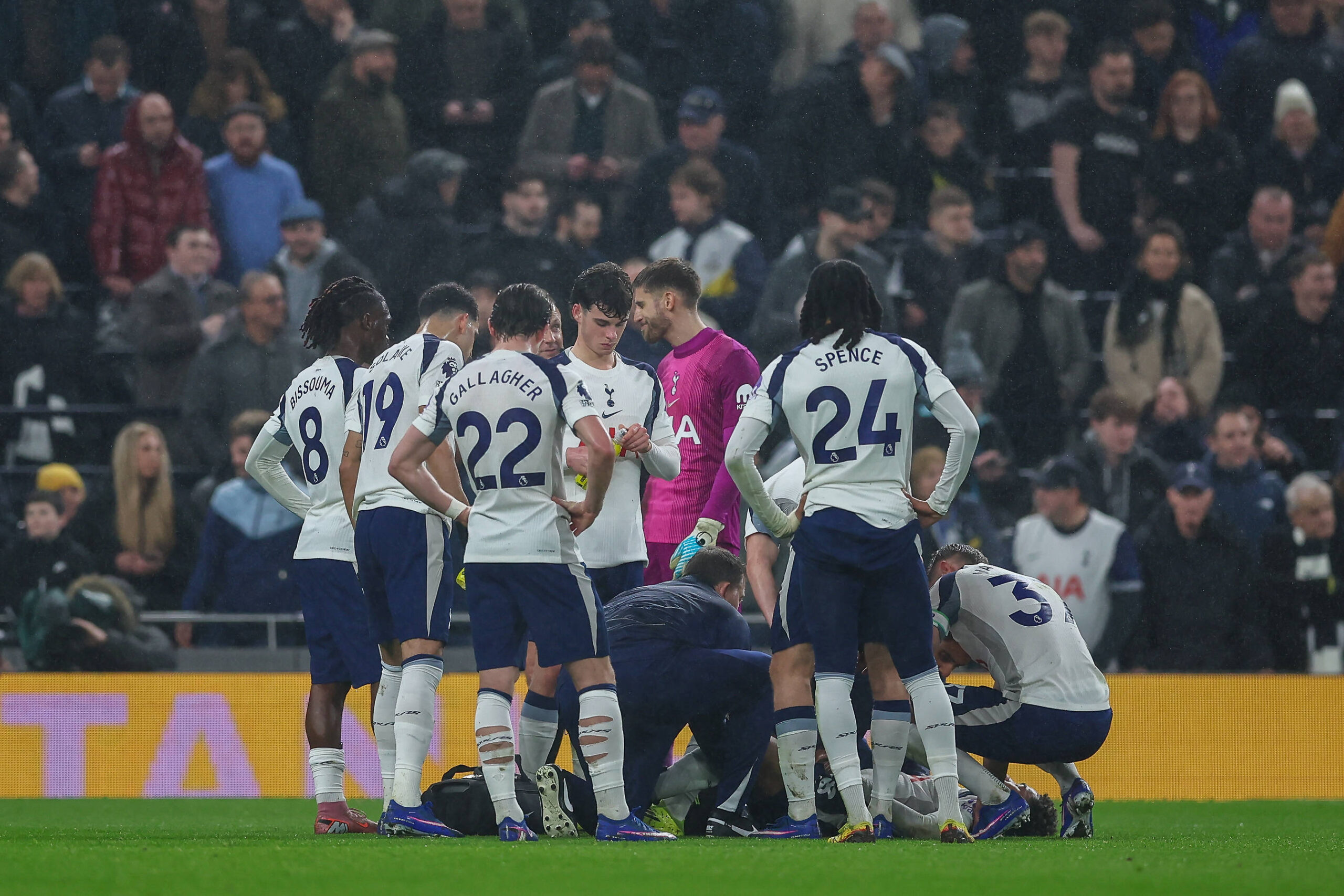
Tottenham Hotspur Sack Thomas Frank: Injuries Plagued Any Progress
This is where the story needs balance, because Frank’s luck was certainly thin.
Injuries do not just remove quality; they scramble the plan. Pressing becomes cautious when legs are missing. Partnerships never settle. Coaches end up managing survival line-ups rather than building the team.
Frank talked about Spurs being “cursed” with injuries, and the Tottenham injury crisis was serious enough to force compromises any coach would hate. You do not build a new identity while constantly stitching together the spine.
However, Tottenham’s reality is harsh; big clubs sympathise with injuries when the table is safe, and they stop sympathising when the numbers start looking dangerous.
Spurs went winless in the league throughout 2026’s opening stretch, collecting only four points from eight matches, and winning just twice in their last 17 league games.
Those are not numbers you file under “unlucky”. Those are numbers that drag you deeper into a Premier League relegation battle, and boards do not hang around once relegation becomes a real storyline.
So Tottenham Hotspur sack Thomas Frank narrative was a necessity, not cruelty.
The decision becomes less about blaming one man for everything and more about refusing to accept what the season had become.
A survival scrap is not where Spurs believe they belong, not with the wage bill, not with the expectations, not with the image they sell to players and supporters. If you are 11th, you can talk patiently, but if you are 16th, you start grabbing fire extinguishers.
The problem is that sacking the manager does not magically remove the conditions that made the job toxic.
If the squad is short, the injuries still bite. If confidence is low, a new voice will not instantly make the ball feel lighter, and if the club is addicted to resets, the next appointment risks becoming another loop.
In the end, Thomas Frank’s sacking by Tottenham is less a story about ambition than about self-preservation.
The Tottenham injury crisis may have made the plan impossible to see properly, but the table left no room for patience.
Spurs did not make this move to get better overnight. They made it to stop the bleeding and face a grim reality, surviving the Premier League relegation battle.
Whoever they appoint to steady the ship now has to prove it was decisive leadership, not panic dressed up as action.
Main Photo
Credit: IMAGO/Sebastian Frej
Recording Date: 10.02.2026