
Injury is the one opponent footballers never get to study on tape.
A player can spend their whole childhood living for the game, then finally reach the point where it becomes a job, only to realise how quickly it can all disappear. Injuries do not just wipe out weeks, they wipe out rhythm, confidence, and development. Sometimes they take the career entirely.
Eden Hazard fits that conversation. Michael Owen, too. Santi Cazorla is a reminder of how cruel it can get. Neymar Jr, maybe most of all, is the modern face of brilliance constantly broken up by setbacks.
But there is another side to it.
There are some injury-prone players overcame injuries and still come back to build something lasting. They survive the spell where every sprint looks like a potential pull and every knock creates panic. Then they flip the script, not through luck, but by staying available long enough for their talent to breathe.
Injury-Prone Players Who Overcame Injuries
Here are five injury-prone players who overcame injuries and still went on to win big. These are football injury comebacks, and a few belong in any debate about the greatest injury comebacks the sport has seen. They are also the kind of injury comeback stories that remind you the label “injury-prone footballers” is not always permanent.
Not all make it. These five did, and they did it loudly.
Vincent Kompany
Vincent Kompany’s career reads like a captain’s manual. Leadership without noise, organisation without drama. He captained Manchester City to their first Premier League title, then another, and for a while, he was the steady centre of a club learning how to win.
Then his body started interrupting the story. It was not one disaster, but recurring muscle issues, especially around his calf and shin. In January 2016, a calf aggravation ruled him out until the closing part of the season.
The injuries kept stacking, and reports later summed it up as roughly two and a half years of his City career spent sidelined. That is the dark side of being one of those “injury-prone footballers” people talk about, because the reputation grows faster than the recovery.
For a centre-back, that is a nightmare. Defending is timing and trust, and you cannot lead a back line when you are never sure you will be fit next week. The whispers grew louder. Maybe the captain cannot do it anymore. Maybe the body has won.
Then Pep Guardiola arrived and, instead of phasing Kompany out, treated him like someone still worth building around. Even when Pep questioned publicly whether Kompany could get back to his best, the underlying message was clear: he still wanted that version.
Kompany did not need perfect fitness to finish his City story properly. He just needed enough availability to matter when it counted. Kompany helped City win major trophies in Guardiola’s early seasons, including a Premier League and FA Cup double, then followed it with a domestic treble.
Kompany left with silverware and status, not sympathy, an example of how football injury comebacks can still end with a player on top.
Arjen Robben
Arjen Robben was called the “glass man” so often that it became part of his identity. And it was always a shame, because when he was fit, he was unstoppable: pace, a cut inside that no one saw coming, and a finish that still beat keepers.
But there always seemed to be an injury crisis around the corner. That stop-start rhythm played a part in why he left Chelsea, even after winning back-to-back Premier League titles under Jose Mourinho. He could deliver, but he could not always stay available long enough to feel like a guarantee, which is how the conversation shifts from “world-class” to “injury-prone footballers.”
At Real Madrid, recurring muscle injuries and ankle problems meant he played only 50 matches across two seasons, scoring 11 goals. It is hard to build an era around a player who cannot stay on the pitch, so when Florentino Perez started the new Galactico rebuild, Robben became expendable.
Bayern Munich became the place where his career finally settled. He spent 10 seasons there, winning a haul of trophies, including the Champions League in 2012/13. He still had setbacks, but he broke the idea that he could not be relied on: 309 competitive appearances for Bayern, about 31 games per season.
That is not a cameo career, it is a proper body of work, and one of the cleanest injury comeback stories of the modern era.
Gareth Bale
Gareth Bale’s peak was so loud that it can make the early doubts feel like a footnote. But at Tottenham, he was injury-prone, with long spells where his body would not let him build momentum. For a player whose game depended on power and repeated bursts, those interruptions mattered.
Real Madrid took the risk anyway, paying a record-breaking fee while he was still injured to sign him. And even though he missed around 100 games through injury in nine years, he still delivered the sort of output and moments Madrid buys superstars for: 106 goals and 67 assists in 258 appearances, plus five Champions League titles.
His signature statement was the 2018 Champions League final against Liverpool, where he came off the bench and scored twice in a 3-1 win. Add three La Liga titles and a Copa del Rey, and you get the point. Bale did not need perfect availability to be great, he needed to be fit often enough to show up in the biggest nights, which is why his story still lands in conversations about the greatest injury comebacks.
Robin van Persie
Robin van Persie (The Flying Dutchman) might be the most relatable name here, because Arsenal fans lived the cycle with him. The technique was pure, and the finishing was ridiculous, but excitement always came with fear of the next injury. That is the mental tax that comes with watching injury-prone footballers, you never fully relax.
In eight years at Arsenal, he missed over 150 games through injury. He still scored 132 goals in 278 appearances, but won only the FA Cup, never the league title his quality hinted at.
The turning point was consistency. When he finally began to string together real fitness, he moved to Manchester United, and the story changed instantly. In his debut season, he scored 26 league goals, won the Golden Boot, and helped United win the Premier League title. Most telling of all, he played every league match that season, starting 35 of them.
Across three seasons at United, he made 105 appearances, scored 58 goals and registered 21 assists, adding a Community Shield to that league title. It was the payoff of being available, and a reminder that some of the best football injury comebacks do not look like miracles, they look like months of normality.
Ronaldo Nazário
If “comeback” means anything in football, Ronaldo Nazário is the definition, and arguably the headline act in any list of the greatest injury comebacks.
Before the injuries, Ronaldo was the sport’s most frightening blend of beauty and power. By 21, he had already won the Ballon d’Or and FIFA World Player of the Year, with trophies at Barcelona and Inter, and the sense that he was only getting started.
Then came the knee injuries that looked like the end. In 1999, he partially ruptured his patellar tendon. Five months later, in 2000, he suffered a complete rupture and missed 524 days of football.
At the time, it felt like a career being closed, not paused, a situation so severe it went beyond the usual “injury-prone footballers” storyline and into genuine fear for his future.
But Ronaldo came back and turned the 2002 World Cup into a redemption story. Eight goals, two in the final against Germany, Golden Boot, and Brazil’s fifth world title. That is not just a return, it is one of football’s greatest ever injury comeback stories.
Later that year, he signed for Real Madrid, won two La Liga titles, scored 104 goals in 177 appearances, and cemented himself as a legend who defied the odds.
YOU MAY ALSO LIKE: Underrated Football Transfers and the Quiet Economics of Winning
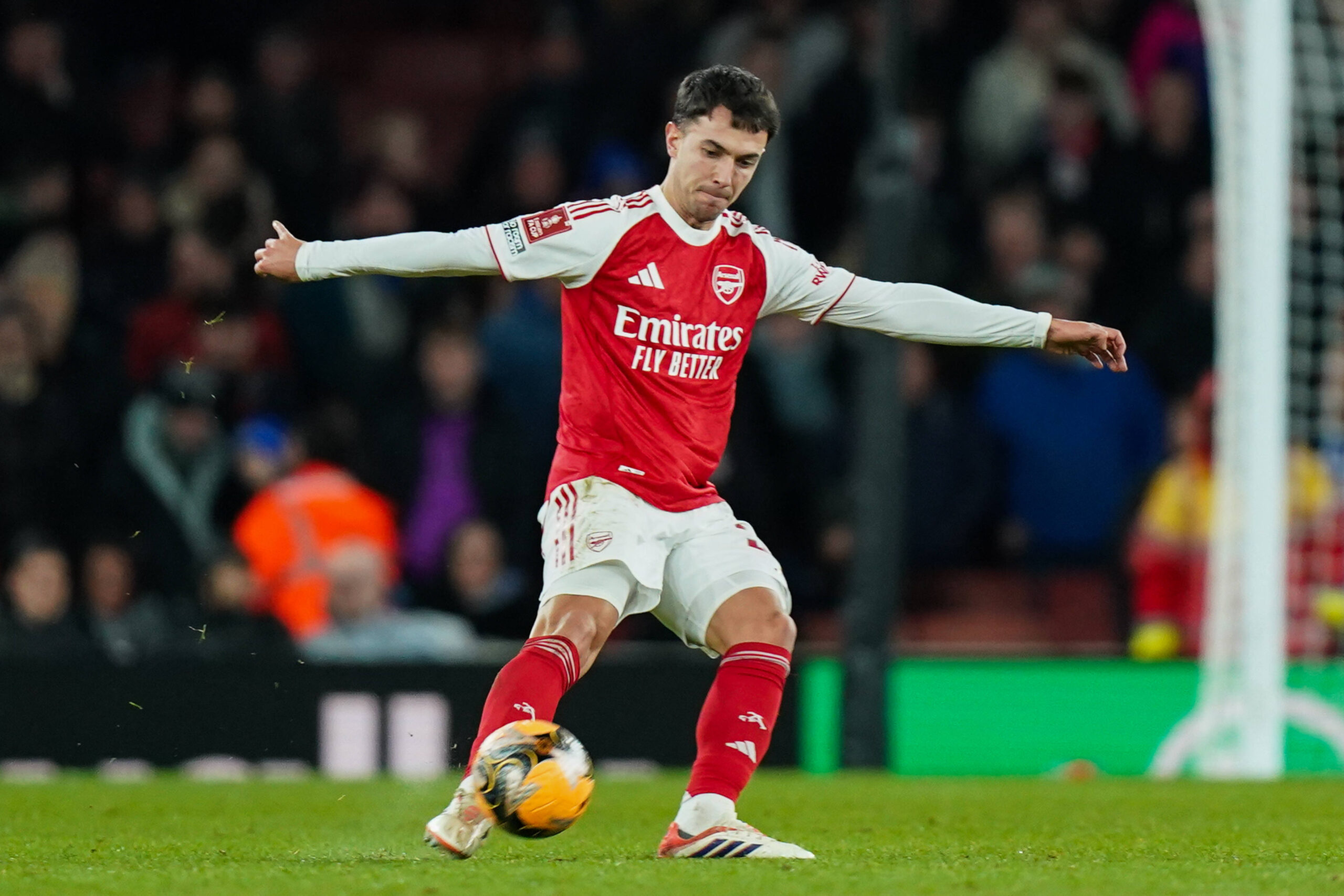
Bonus: Ousmane Dembélé
This list would not do justice without including the French sensation, Ousmane Dembélé, as a bonus inclusion, and the only active player on this list.
Ousmane Dembélé is the modern version of the same fight, and the only active player here, which makes his arc one of the most current football injury comebacks to watch.
At Dortmund, he looked like a cheat code, so Barcelona broke the bank to sign him in 2017. Then came the injuries and the label. Across his Barcelona years, he missed 141 games through injury.
Barcelona won trophies, but his time there always felt interrupted, and in August 2023 he moved to PSG. The story did not become perfect overnight, but under Luis Enrique, his minutes were managed more smartly, and his role became clearer. That sort of management is often what separates short-lived returns from real injury comeback stories.
Then came the stretch that flipped everything. In 2024/25, Dembélé finally had a long run of normal fitness, finished as top scorer in Ligue 1 with 21 goals, and helped PSG complete a treble, including the Champions League. The season ended with the loudest possible rebuttal when he won the 2025 Men’s Ballon d’Or.
That is why he belongs here. Not because his body became perfect, but because the narrative stopped owning him. He escaped the cycle long enough to stack games, stack form, and turn availability into greatness, exactly the point behind this list of injury-prone players who overcame injuries.
These stories are why “injury prone” should always come with a second sentence. Sometimes it is a warning. Sometimes it is a phase. And sometimes it is just the part of the story that makes the ending worth appreciating.
Main Photo
Credit: IMAGO / Paul Marriott
Recording Date: 28.04.2013