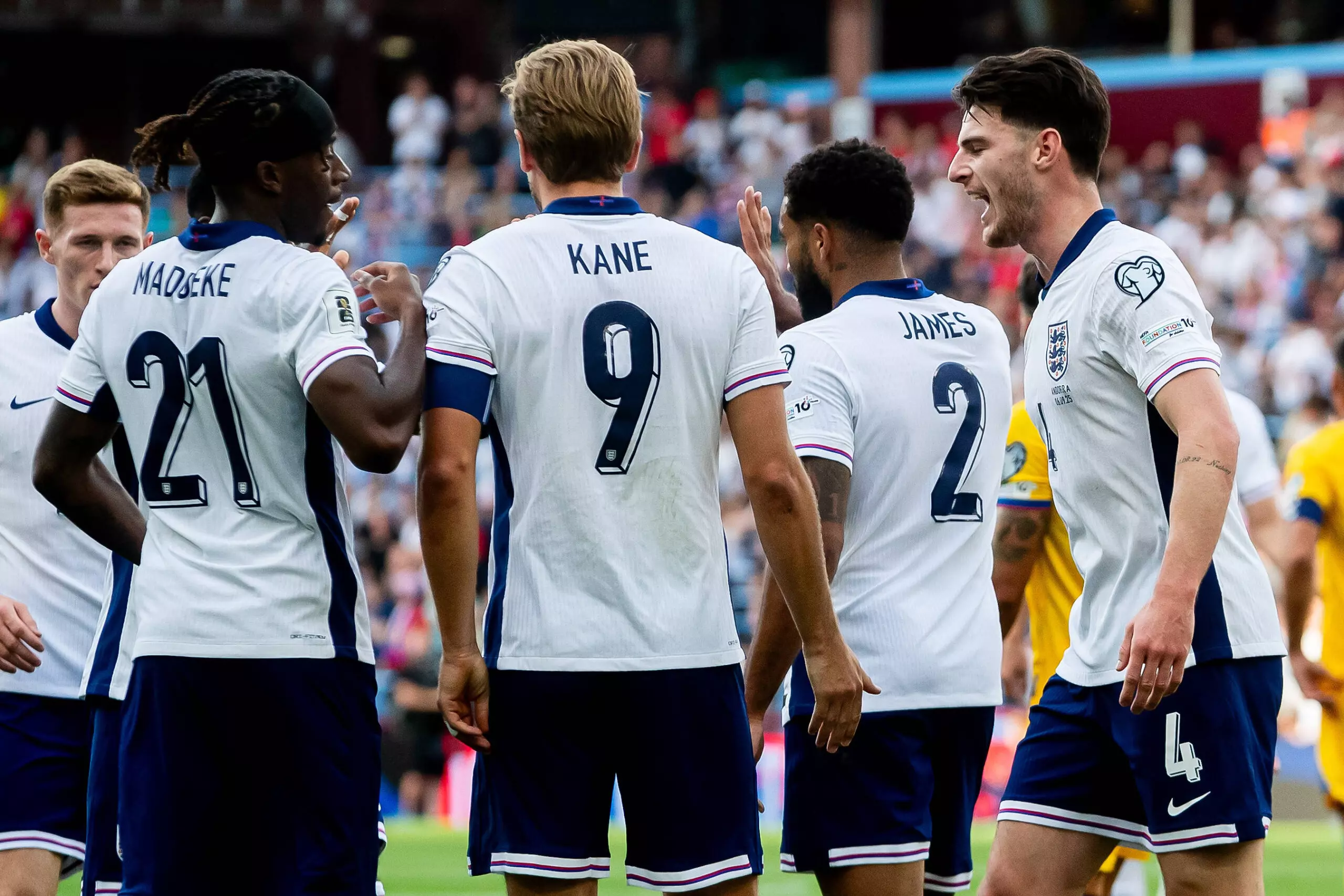

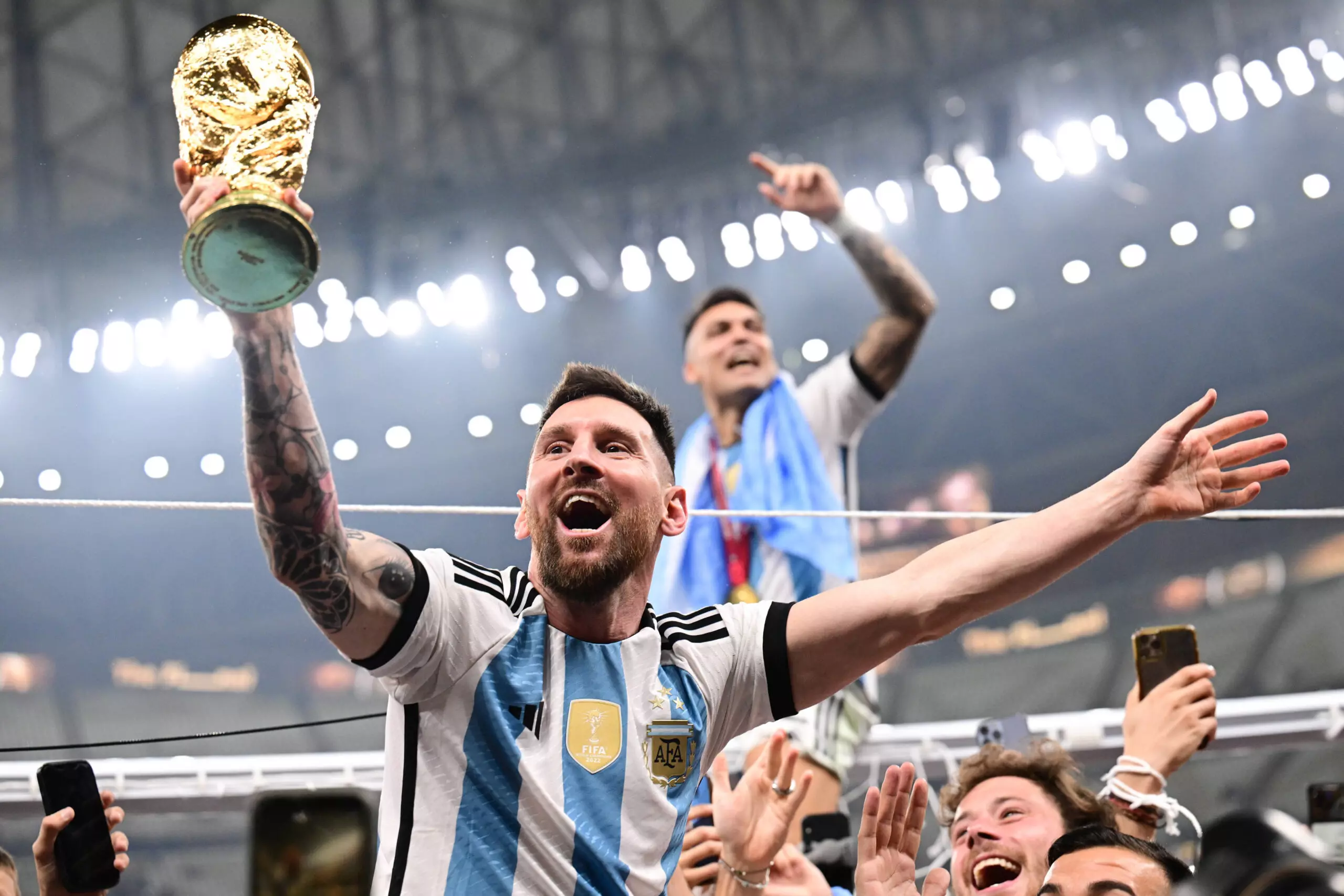
Football is more than just a sport. It’s a language spoken across every continent. And at the center of it all is FIFA, the organization that runs the biggest football competitions on the planet.
Students often write essays about sports and society. If you’re thinking, “I don’t know how to write my essay for me on this topic,” try using EssayHub.com. They offer professional writing help with real editors who understand how to write well about sports history, global issues, and culture.
But how did FIFA come to be? What does it actually do? And why is it so important to soccer fans, players, and students alike?
Let’s explore the story of FIFA, from its beginnings in Europe to its role today as the global leader of the world’s most popular sport.
What Is FIFA?
FIFA, or “Fédération Internationale de Football Association”, French for “International Federation of Association Football”, is the organization that oversees soccer competitions around the world – especially the famous World Cup.
FIFA creates the rules, hosts events, and connects countries through sport. It’s based in Zurich, Switzerland, and was founded in 1904.
Today, FIFA has over 200 national member associations. That means more countries belong to FIFA than to the United Nations.
How FIFA Was Born
In the early 1900s, football was growing fast. Countries like England, France, and Belgium were playing international matches. But there was no global body to keep everything organized.
So, on May 21, 1904, representatives from France, Belgium, Denmark, the Netherlands, Spain, Sweden, and Switzerland came together in Paris. That day, FIFA was born.
Its goal was simple: to create unity in the sport. FIFA wanted to write the official rules, arrange tournaments, and promote fair play between countries.
England, which invented the modern version of football, joined FIFA a few years later.
The World Cup: FIFA’s Greatest Invention
The most famous thing FIFA has done is create the FIFA World Cup.
Before the 1930s, soccer was played in the Olympics, but there wasn’t a true global tournament just for soccer. So in 1930, FIFA launched the first men’s World Cup in Uruguay. Only 13 teams played, but it changed soccer forever.
Argentina lost the final match to Uruguay, meaning Uruguay snagged the victory in the very first World Cup.
The FIFA World Cup, which happens every four years, is actually the biggest sports event on the planet, even bigger than the Olympics! Right now, 32 national teams compete, but that number is going up to 48 soon.
In 1991, FIFA also launched the Women’s World Cup, giving female athletes a global stage. The United States won the first tournament and has gone on to become a leader in women’s soccer.
FIFA’s Other Tournaments
FIFA doesn’t just run the World Cup. It organizes many other competitions too:
- FIFA U-17 and U-20 World Cups (for youth players)
- FIFA Club World Cup (for the best teams from club leagues)
- FIFA Futsal World Cup (indoor soccer)
- FIFA Beach Soccer World Cup
Each event helps grow the game in different places and for different age groups.
Many student-athletes dream of joining their national team one day. FIFA tournaments help those dreams come true.
FIFA’s Role in Soccer Rules and Fair Play
While FIFA is best known for tournaments, it also helps create the Laws of the Game.
These rules are written by a group called the International Football Association Board (IFAB), but FIFA is part of that group. They decide things like:
- How “offside” works
- How many players are on a team
- What counts as a red card
- Whether to use VAR (Video Assistant Referee)
FIFA also promotes fair play, anti-racism campaigns, and global unity. Soccer isn’t just a game. It’s a tool to bring people together.
FIFA and the Modern Game
FIFA is still growing. In recent years, it’s added more teams to the World Cup as will be on display in the 2026 World Cup in Canada, Mexico, and The United States, given more support to women’s soccer, and focused on digital innovation like goal-line technology and semi-automated offside detection.
FIFA’s reputation took a hit back in 2015 when a bunch of top officials got arrested for corruption. This really shows that FIFA has definitely had its share of scandals and tough times.
Since then, FIFA has promised to improve its leadership and become more transparent. It’s not perfect, but it’s trying to move forward.
Why Students Should Care About FIFA
You don’t have to be a professional athlete to care about FIFA. Students can learn a lot from how this global group works.
FIFA is about teamwork, leadership, diversity, and ethics. It shows how sports can influence politics, education, and even peace. Soccer fans around the world – in classrooms, dorm rooms, and school fields – share something in common because of FIFA’s work.
Some students even research FIFA as part of their social studies or global history classes. Understanding its story helps explain how sport has become a global force.
Final Thoughts
FIFA started as a small group of European nations in 1904. Today, it runs the biggest sporting event on the planet – the World Cup. It has helped turn soccer into a global language.
And as soccer continues to grow, students have a role to play – not just as fans, but as leaders, writers, and future decision-makers in sport.
Ryan Acton, an academic advisor and contributor to EssayHub’s essay writing service, once said, “Sport teaches us more than how to win. It teaches us how to belong.” And that’s what FIFA – at its best – is about.
Whether you’re kicking a ball at school or writing about soccer’s global power, you’re part of the story too.