
The Spain World Cup draw against Cape Verde came as a surprise to many, as the latter managed to earn their first-ever point in the World Cup after a goalless encounter in Atlanta.
An unfancied African team thus stopped the World Cup champions of 2010 and the current European champions in their first match on the world stage.
The Spain World Cup draw against Cape Verde pointed out Spain’s shortcomings as a team. Despite boasting several world-class players, La Furia Roja failed to break a determined Cape Verde defence.
Spain World Cup Draw Against Cape Verde: Spain’s Passive Approach
The Spain World Cup draw against Cape Verde happened despite the former having 62% ball possession and 23 shots at the opposition goal.
Luis de la Fuente’s men shifted from playing their short-passing game to playing crosses into the opposition box, but the Cape Verde defence held firm.
Cape Verde goalkeeper Vozinha was absolutely superb in the first half. However, Spain tended to hold on to the ball for too long, which helped the Creoles’ defence to reorganise themselves.
Spain started with Ferran Torres on the right flank and Gavi on the left; however, the Barcelona man is essentially a central midfielder, and Ferran Torres did not look comfortable taking on the Cape Verde left-back.
The Barcelona forward was comfortable staying in a wide position and using his right foot more than his left, but never looked to trouble the Cape Verde backline.
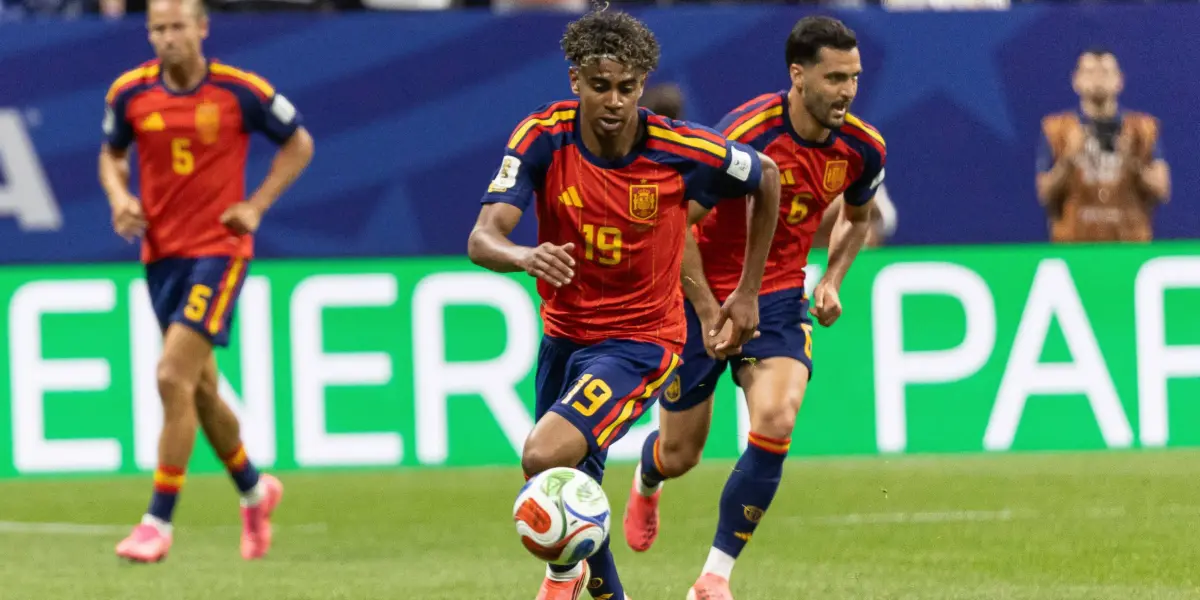
Lamine Yamal, who is still not fully fit, came on late but did not manage to make a difference. Spain tried playing crosses with Marc Cucurella frequently taking up advanced positions, but that was not enough in the end.
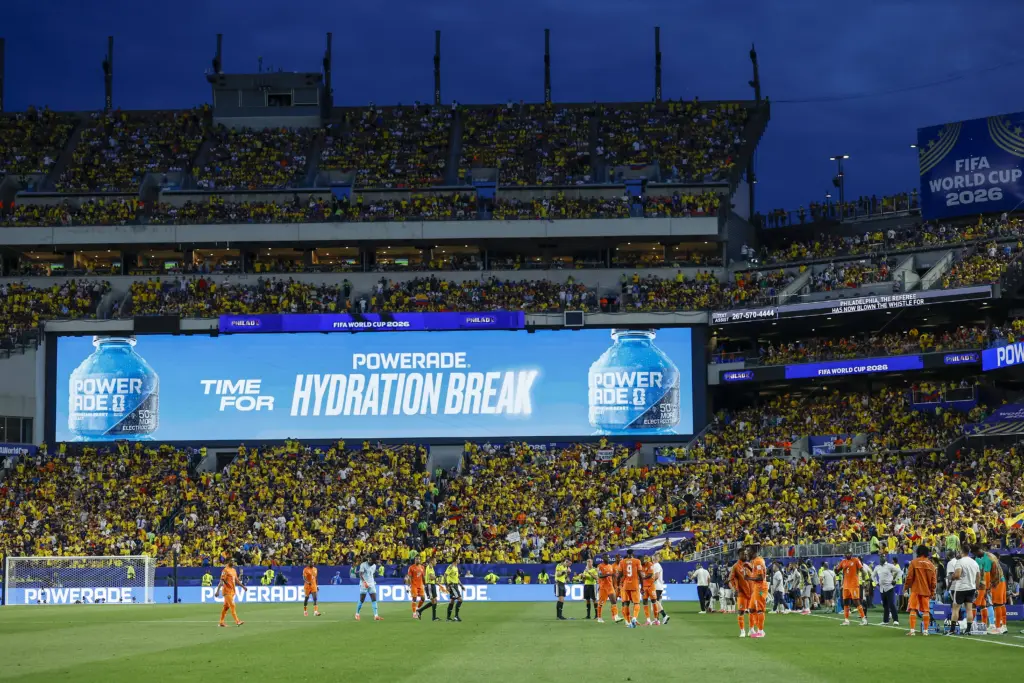
YOU MAY ALSO LIKE: World Cup Hydration Break: Why The Three-Minute Stoppage Has Become One Of FIFA’s Most Criticised Tournament Innovations
Spain World Cup Draw Against Cape Verde: How The Spanish Game Has Evolved
The Spanish game is similar to the one they played with in the late 2000s and early 2010s, during which they won the European Championships twice and the World Cup once.
Spain also managed to win the European Championships in 2024 with their current set-up, but some differences are there between the two sets of teams.
The Spain of Xavi, Andres Iniesta, David Silva and Cesc Fabregas also managed to have more than 60-65% possession frequently and often won the match by a margin of one or two goals. Still, their off-the-ball positioning was simply outstanding, which the current team lacks.
Moreover, their passes were quicker, and they played a lot of one-touch passes while playing against resolute defences. That is something that the current Spanish team will have to include in their game to make the most of their talented squad.
Mikel Oyarzabal, the Spanish centre-forward, could not touch the ball even once during the initial 30 minutes, which would have probably never happened with a more mobile forward like David Villa or Fernando Torres upfront.
Spain World Cup Draw Against Cape Verde: Group H Swung Open
Uruguay and Saudi Arabia drew later on the day, which has thrown the group quite open with all four teams having a point each.
The Spain World Cup draw against Cape Verde might very well jeopardise their chances of qualifying from their group. It might not happen ultimately, but De la Fuente will have to be cautious against any more setbacks.