
If Chelsea’s 2026 summer transfer window is ultimately remembered for one thing, it may not be solely because of the calibre of players they signed, but the extraordinary amount of money they generated from player sales. The Blues entered the summer with a bloated squad and a long list of players whose futures at the club were uncertain. Instead of allowing that excess to become another problem, however, Chelsea turned it into a major financial opportunity, generating more than £500 million from player sales.
That alone represents a groundbreaking record for player sales and a significant development in the Chelsea squad rebuild. The club needed to reduce the size of its squad, create space for a more balanced group and move on players who were no longer considered essential to the project, as well as those whose hearts and minds were already set on moves elsewhere. It also provided the financial platform that would go on to fund some of Chelsea’s 2026 summer signings.
Enzo Fernández And The Chelsea Squad Rebuild
From the end of last season, it increasingly felt as though Enzo Fernández’s future at Chelsea was becoming increasingly uncertain. The Argentine midfielder failed to fully reassure supporters of his commitment to the club, while a series of cryptic interviews only fuelled speculation over his long-term intentions. His comments about wanting to live in Madrid one day, in particular, heightened suggestions that he could eventually pursue a move to José Mourinho’s Real Madrid.
By the time the final day of Chelsea’s 2026 summer transfer window arrived, those doubts had turned into reality. The Blues agreed a record-breaking £125 million sale of Fernández to Manchester City, four years after signing him from Benfica, with the midfielder set to reunite with former Chelsea head coach Enzo Maresca at the Etihad Stadium.
For Chelsea, however, the deal represented far more than the departure of an expensive signing. It demonstrated the club’s willingness to make difficult decisions when an extraordinary financial opportunity presents itself, while also showing that the club is prepared to move on players who no longer appear fully committed to continuing at Stamford Bridge.
The decision also forms a major part of the Chelsea squad rebuild, particularly given the scale of the changes made during the summer. Interestingly, despite allowing Fernández to leave, the Blues did not bring in a direct replacement before the transfer window closed. Instead, Chelsea appear confident in the depth of their existing midfield options heading into the 2026/27 campaign. The club can call upon the likes of Valentín Barco, Moisés Caicedo, Jordan Henderson and Roméo Lavia, while Reece James is also viewed as a potential midfield option under Xabi Alonso.
Chelsea’s 2026 Summer Transfer Window: A Record-Breaking Sales Spree
Enzo Fernández, however, was not the only big name in Chelsea’s selling campaign. The club also generated substantial fees from several other departures. Nicolas Jackson returned from his loan at Bayern Munich and made a permanent switch to Aston Villa for £65 million. Marc Cucurella moved to Real Madrid for £51.8 million, Andrey Santos joined Manchester United for £50 million, Tosin Adarabioyo made a deadline-day switch to London rivals Tottenham Hotspur for £12 million, while Liam Delap completed a £50 million move to Nottingham Forest.
Collectively, these deals highlight what has made Chelsea’s 2026 summer transfer window so unusual. They were not simply selling players because they needed to raise money; they were successfully turning surplus squad members into valuable assets. One of the club’s biggest problems in recent seasons has been the sheer size of its squad. Too many players competing for limited places created selection problems, restricted opportunities and made it increasingly difficult for the manager to establish a settled team. This summer, the Chelsea squad rebuild has gone into full swing, with the club finally taking decisive steps to trim the squad and remove players who no longer have a clear role in the project.
YOU MAY ALSO LIKE: 2026 Premier League Summer Transfer Window Winners And Losers

The Chelsea Squad Rebuild: A Philosophical Shift Under Alonso
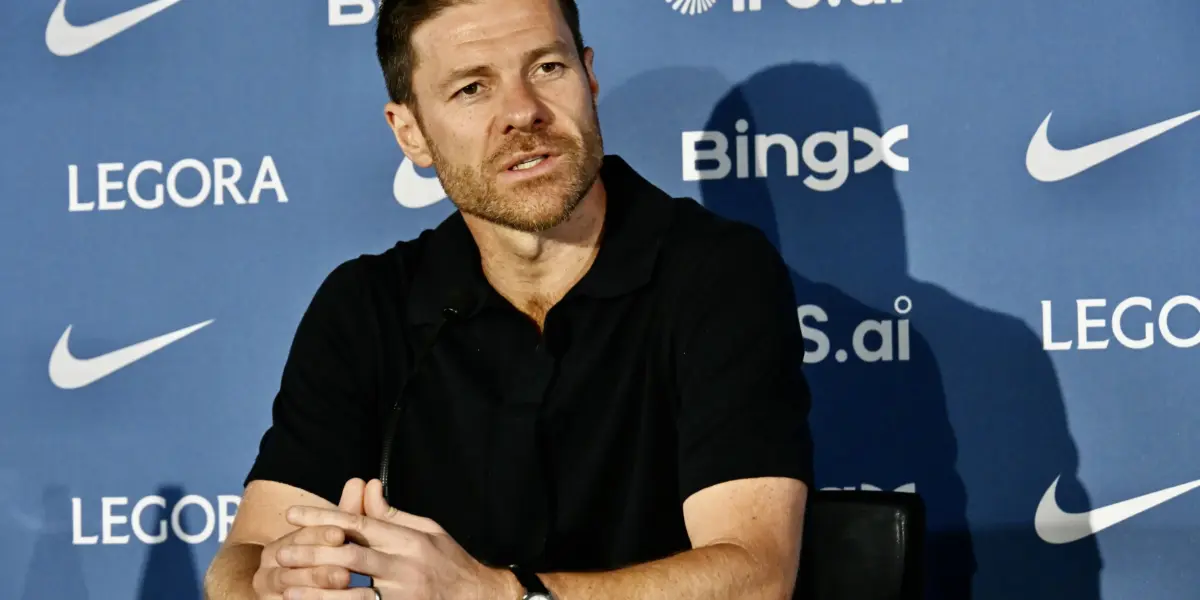
Perhaps the most interesting aspect of Chelsea’s 2026 summer transfer window, and one of the clearest indications that the club had truly handed Xabi Alonso the keys to the project, was the significant change in its recruitment policy. Alonso arrived with the title of manager rather than simply head coach, and his influence was immediately reflected in the way Chelsea approached the transfer market.
Since the BlueCo/Clearlake takeover in 2022, they had largely prioritised signing young players with significant potential and resale value. The long-term vision was clear: assemble a group of highly talented youngsters, place them in a world-class environment at Stamford Bridge, allow them to develop together and, eventually, build a team capable of dominating English and European football. The club remained remarkably committed to that philosophy for several years, repeatedly investing in players for the future rather than simply addressing immediate needs. However, Alonso’s arrival appears to have changed the equation.
For the first time, the Blues were willing to move away from their strict preference for youth and build a squad around the specific demands of their new manager. The Chelsea squad rebuild was no longer simply about collecting the best young talents available; it was about giving Alonso the right combination of quality, experience and tactical profiles to compete immediately. That shift was evident in the club’s willingness to bring in established players alongside younger signings.
They still retained their long-term vision, but they appeared to recognise that a manager of Alonso’s calibre needed more than potential. He needed experienced leaders, reliable first-team players and specialists capable of executing his ideas from the beginning. In that sense, Chelsea’s 2026 summer signings represented something of a philosophical evolution. BlueCo had spent years building for what Chelsea could become. Under Alonso, the message seemed to be that the time had finally come to build for what Chelsea could achieve now.
The Camara Collapse: A Dent In Chelsea’s 2026 Summer Transfer Window
Some of the best transfer hijacks and deadline-day deals happen in the final hours of a window, and it would hardly be a proper transfer window without Chelsea being involved in some late-night drama. Chelsea fans had expected the club to bring in another midfielder, particularly with Enzo Fernández increasingly likely to leave Stamford Bridge. After allowing the Argentine to join Manchester City, the Blues moved quickly to find a replacement, with Monaco midfielder Lamine Camara emerging as their preferred target.
The London-based side had already seen two bids rejected by Monaco before a breakthrough finally appeared. The situation changed after Monaco were informed that the proposed transfer of USA international Folarin Balogun was in danger of collapsing following issues surrounding his medical history, particularly his knee. With Balogun’s potential departure no longer certain, Monaco were eventually prepared to sanction Camara’s exit.
Chelsea subsequently reached an agreement worth £47 million for the Senegal international, identifying him as the player who would fill the void left by Fernández. Had the deal gone through, Lamine Camara’s move to Stamford Bridge would have ranked among the most significant of Chelsea’s 2026 summer signings. However, just when it appeared that the deal was ready to be completed, the situation took another dramatic turn. In the final hours of the transfer window, Monaco reportedly reneged on the written agreement, leaving Chelsea unable to complete the transfer before the deadline and causing a serious breakdown in the relationship between the two clubs.
The timing could hardly have been worse for the Blues. The club had already committed to allowing Fernández to leave for Manchester City, but with Monaco pulling out at the last moment, there was no longer enough time to identify, negotiate and complete a suitable alternative. This deadline-day melee could prove to be the one major blemish on Chelsea’s 2026 summer transfer window. The club can point to the £125 million received for Fernández as a major financial victory, but the failure to secure Camara created an obvious sporting risk.
By allowing Fernández to leave without securing his replacement, Xabi Alonso is left slightly short in central midfield heading into the new campaign. The Blues still possess quality in the position, but Fernández’s departure removes another established option from Alonso’s midfield.
The Final Grade On Alonso’s New-Look Blues
Barring the collapse of Lamine Camara’s move to Stamford Bridge, almost every aspect of Chelsea’s 2026 summer transfer window appeared to be designed around the demands and vision of manager Xabi Alonso. The Blues not only moved away from their previous philosophy of obsessively targeting under-20 talents, but also approached the transfer market with a more immediate mindset: bringing in established players who are ready to challenge for titles and trophies now, rather than simply waiting for them to develop into stars.
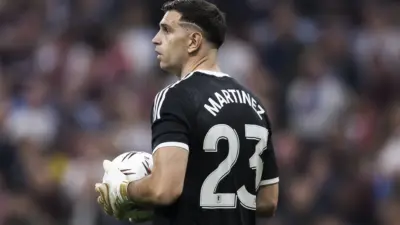
That change was evident throughout Chelsea’s 2026 summer signings. The club added one of the Premier League’s top defenders, Maxence Lacroix, and brought in Marco Palestra, who was named Serie A’s Defender of the Season for 2025/26. Pep Chavarría arrived from Real Sociedad, while World Cup winner Emiliano Martínez was added to provide quality and experience between the posts. The Blues also made their biggest attacking statement by splashing £117 million on Morgan Rogers, making him one of the centrepieces of Alonso’s new-look Chelsea side.
At the same time, Chelsea continued to bring through young talents who had been signed during the previous campaign from sister club Strasbourg, with Emanuel Emegha and Valentín Barco joining the first-team setup. Geovany Quenda also returned to the club from Sporting Lisbon, further strengthening the pool of young talent available to Alonso. However, Chelsea’s recruitment was not solely focused on youth or established stars.
The club also recognised the need for experienced figures capable of shaping and moulding the mentality of a young dressing room. Jordan Henderson and Danny Welbeck were brought in to provide leadership, experience and the kind of dressing-room influence that cannot always be measured through statistics.
All in all, the Chelsea squad rebuild can be regarded as one of the club’s most impressive in decades. They have not simply spent money; they have shown a willingness to adapt their recruitment philosophy, address the weaknesses of the existing squad and build a team around the specific demands of their manager.
The one major blemish remains the late collapse of the Camara deal, which left Alonso without a direct replacement for Enzo Fernández in midfield. However, outside of that disappointment, Chelsea have given their manager something previous regimes have arguably lacked: a squad that appears deliberately constructed around a clear tactical and competitive vision. They have backed Alonso in the transfer market, backed his vision and, perhaps most importantly, backed the idea that the Club World Cup champions should be competing for major honours now, rather than simply building for the future.
All in all, a B+ is a fair reflection of Chelsea’s 2026 summer transfer window.
More Premier League News
Jack Grealish To Everton: Manchester City Winger Returns For A Second Season-Long Loan