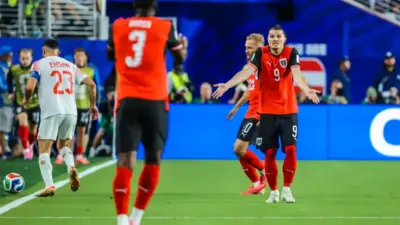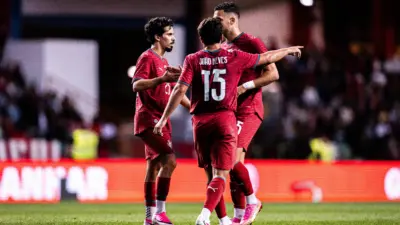

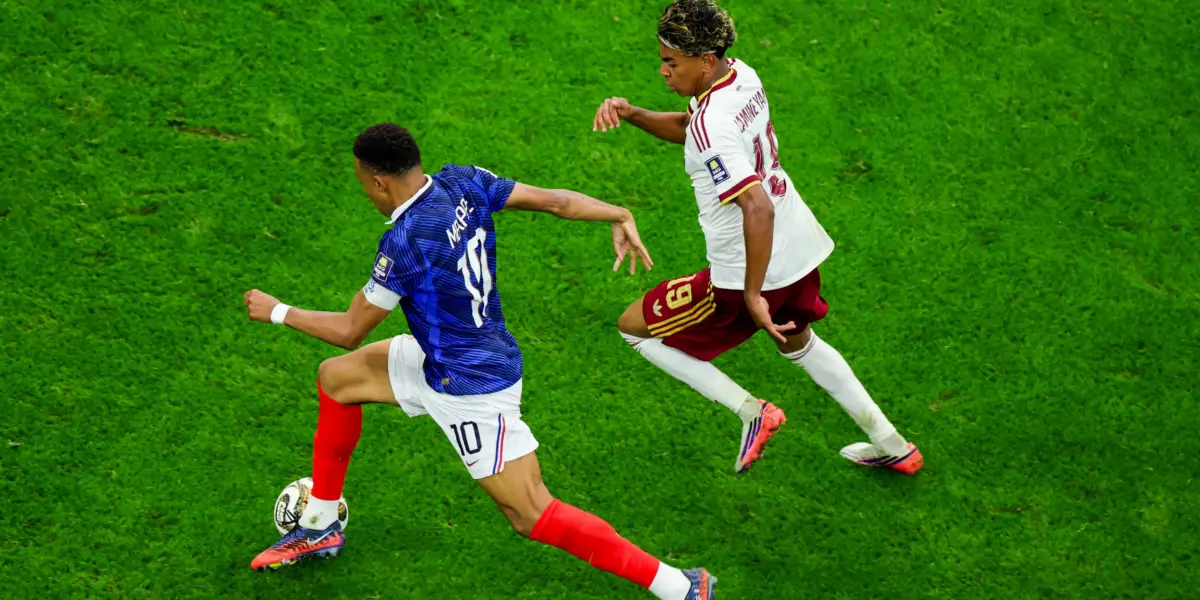
The 2026 World Cup redrew football’s hierarchy in a matter of weeks. Spain lifted the trophy, Rodri won the Golden Ball, Kylian Mbappé collected a second consecutive Golden Boot and Lamine Yamal became a world champion at 19.
Football’s biggest stars of 2026 are not performing the same job, so direct comparisons matter less than understanding how each one changes matches.
That distinction also matters when fans assess fixtures and player markets. In sports betting, the headline name attracts attention, but the stronger reading starts with role, opposition and game state.
A striker’s scoring probability depends on service and shot location, while a winger may influence the match first through carries, fouls won or chances created.
Odds provide a market estimate; tactical context explains why that estimate can move before kick-off.
Football’s Biggest Stars to Follow After the 2026 World Cup
Kylian Mbappé Owns the Scoring Argument
Mbappé won the 2025/26 Pichichi with 25 La Liga goals and finished as the Champions League’s top scorer with 15 goals. He then scored 10 times at the World Cup as France reached the semi-finals.
No current forward combines open-field speed, penalty-box finishing and elite production across club and international football so consistently.
The next detail to follow is how Real Madrid create space for him. Mbappé is most dangerous when he receives facing goal or attacks behind a high line; against compact opponents, his shot selection and combinations with midfield become more revealing than raw sprint numbers.
His performance profile also changes according to the first goal. Real Madrid can release him into larger spaces when leading, whereas a scoreless match against a deep defence demands shorter combinations and sharper movement inside the penalty area.
Lamine Yamal Is No Longer a Prospect
Yamal produced 16 goals and 11 assists in Barcelona’s title-winning league season before becoming one of Spain’s main attacking outlets at the World Cup.
He completed a tournament-high 30 dribbles and finished as a champion days after turning 19. His influence belongs firmly in the present tense.
It was a performance that was great, but according to some, not his best. Still, a potential Ballon d’Or is not out of the question.
Many famous football players dominate with power or straight-line speed. Yamal uses pauses, body shape and direction changes, so analysts should track what follows each successful dribble: a cutback, shot, foul or pass that forces the defensive line to rotate.
That final consequence separates decorative possession from productive one-on-one play. A winger can beat a defender without improving the attack, while Yamal regularly uses the advantage to create a second decision for the covering centre-back.
Rodri Makes Control Visible
Rodri’s Golden Ball confirmed that match control can outweigh raw scoring totals.
Spain’s captain managed tempo, protected central areas and gave attacking players a stable platform from which to take risks. Progressive passing, pressure resistance and recovery location show his influence better than standard highlights.
His positioning also affects the freedom of the players ahead of him. Full-backs can advance and attacking midfielders can occupy narrower spaces when Rodri is prepared to stop the counterattack or recycle possession before the opponent escapes.
Haaland Keeps the Penalty Area Honest
Erling Haaland won the 2025/26 Premier League Golden Boot with 27 goals, then scored seven times in five World Cup appearances for Norway.
Centre-backs cannot step into midfield freely when he stays on the shoulder of the last defender. His key indicators are penalty-area touches, first-time shots and the frequency with which Manchester City reach crossing positions.
Low involvement does not automatically mean low threat. Haaland can spend long periods outside the main passing exchanges before deciding the match with one run between centre-back and full-back.
YOU MAY ALSO LIKE: The Importance of Motivation in Football Match Predictions
Bellingham Changes Different Zones
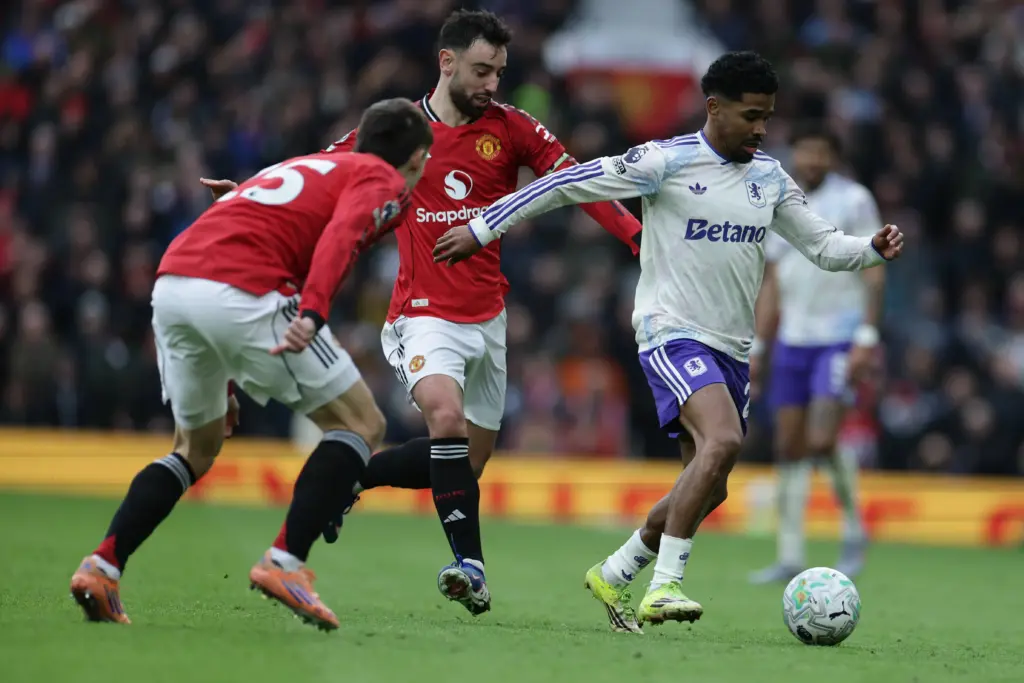
Jude Bellingham offers a different influence for Real Madrid and England.
He can carry through pressure, arrive late in the box and compete physically in midfield without being tied to one fixed position. His starting zone and off-ball runs often explain more than a basic “attacking midfielder” label.
The Traits Worth Tracking
- Mbappé’s shot volume and touches received behind the defensive line.
- Yamal’s dribbles that lead directly to shots or defensive rotations.
- Rodri’s progressive passes and central recoveries under pressure.
- Haaland’s penalty-area touches and first-time shooting chances.
- Bellingham’s late box entries and midfield carries.
| Player | Major 2026 signal | What to monitor next |
|---|---|---|
| Kylian Mbappé | World Cup Golden Boot | Shot quality against compact defences |
| Lamine Yamal | World champion at 19 | End product after one-on-one wins |
| Rodri | World Cup Golden Ball | Control after pressure and transitions |
| Erling Haaland | 27 Premier League goals | Box service and first-time finishes |
| Bukayo Saka | Six World Cup goal involvements | Right-side creation and availability |
The Greatest-Ever Debate Has New Evidence
Searches for the “world best football player of all time” still lead to Messi, Cristiano Ronaldo, Pelé and Diego Maradona.
One tournament cannot settle that argument, but 2026 added evidence to the careers of a new generation. Mbappé strengthened his World Cup record, Rodri claimed the tournament’s leading individual award, and Yamal converted historic potential into a senior world title.
The next test is repetition across domestic title races, the Champions League and changing tactical systems. Their numbers will remain visible, but the better story lies in the decisions and structures that produce them.