

The Premier League always has to assess the rules they have and then introduce new ones that they deem necessary.
With football being as popular as it is and with the number of eyes watching every second of every game, the hands in charge need to make sure that players, teams and managers are all kept well in order. This often means bringing in new and stringent rules that might seem rigid but are highly important.
League officials have confirmed a number of Premier League 2026/27 rule changes and new refereeing priorities, and while some may appear relatively minor on paper, they could have a noticeable impact once the action gets underway.
For clubs, understanding these updates will be an important part of preparation. For supporters, knowing what has changed can help make sense of certain decisions during matches.
And for those who enjoy sports betting, being aware of these developments may offer useful context when assessing games and potential outcomes.
Premier League 2026/27 Rule Changes
Why These Changes Matter In the First Place
Rule changes are often viewed through the lens of how they affect managers and players, but they matter massively to supporters.
Football is a game where small details can have a significant influence on outcomes. These adjustments can shape how matches are played and how teams approach different situations.
For sports bettors, understanding these developments can be particularly useful. Many betting decisions are based on patterns, trends and expectations. When the rules change, those patterns can shift as well.
As a fan, you need to make sure that you know every single rule that’s changing in the Premier League, so that you can make more informed decisions.
Just as you’d do your research when it comes to casino games, as explained by BonusFinder UK, you must do the exact same thing with sports betting.
Wagering and betting are both based on making sound decisions that are rooted in expert advice, comparison options and caution.
A Bigger Crackdown on Time-Wasting
One of the clearest themes behind the new changes is the desire to keep matches moving and reduce unnecessary delays.
Football has become increasingly focused on maximising playing time, and the latest adjustments continue that trend. Referees will now have stronger tools available when dealing with situations where restarts are intentionally delayed.
Under the new guidelines, players will have a limited amount of time to restart play in certain situations. Deliberately delaying a throw-in could result in possession being awarded to the opposition, while taking too long over a goal kick may lead to the opposing side receiving a corner.
The intention is simple: keep the game flowing and discourage tactics that slow down proceedings.
Changes to Treatment and Substitutions
Another area receiving attention involves player treatment and substitutions.
Under the updated rules, players who receive treatment on the pitch will be required to remain off the field for longer before returning to action. The aim is to reduce interruptions and ensure treatment procedures are managed more efficiently.
Substitutions are also being addressed, which is vital. Players leaving the pitch after being substituted will now be expected to do so within a specific timeframe.
If that process is unnecessarily delayed, the incoming substitute may not be permitted to enter immediately, creating a temporary disadvantage for the team involved.
VAR Takes on an Expanded Responsibility
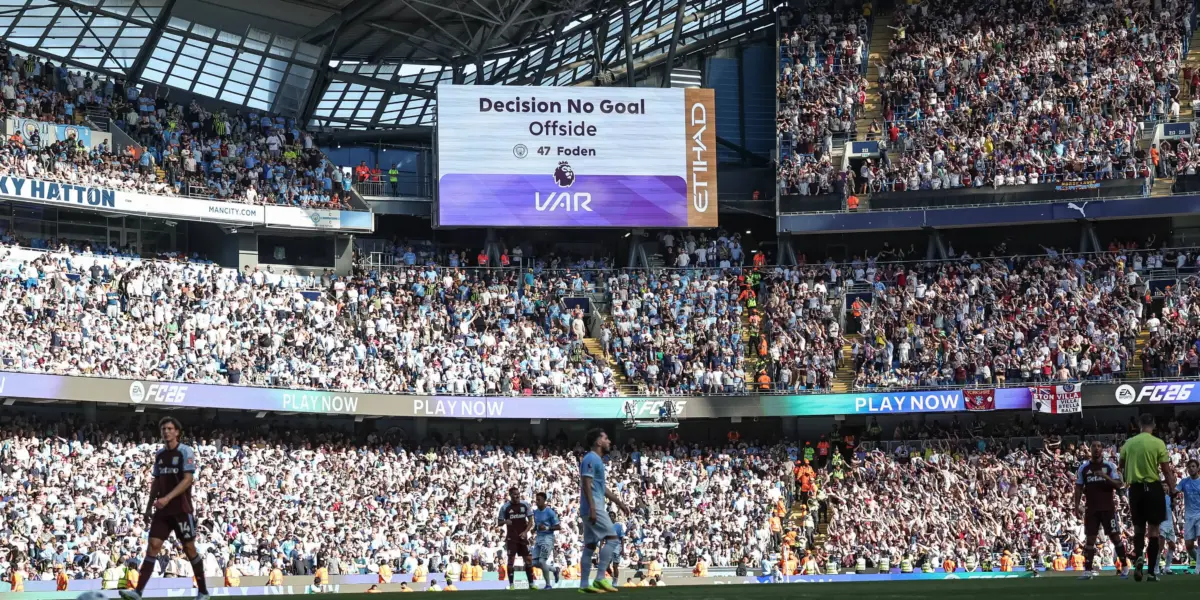
Video Assistant Referee (VAR) involvement continues to evolve and one of the more significant changes relates to second yellow card incidents.
Going forward, VAR will have the ability to review and overturn second yellow card decisions if an error has been made. However, VAR will not be able to recommend or issue a second yellow card where one was not originally given.
The objective is to improve accuracy while preserving the authority of the referee on the pitch.
For supporters, this means there may be additional scrutiny around key disciplinary moments. A dismissal that initially appears final could potentially be revisited if officials determine that a mistake has occurred.
YOU MAY ALSO LIKE: World Cup 2026 Uruguay vs Spain: Three Key Factors To Consider, Predicted Lineups and Team News

New Areas of Refereeing Focus to Guide the Future
Alongside the formal rule adjustments, referees have also been instructed to pay closer attention to several specific types of incidents.
One of those involves hair-pulling. Officials will be expected to take stronger action where there is a clear and deliberate act involving excessive force. Less severe incidents may still result in cautions depending on the circumstances.
Goalkeeper protection is another area receiving increased attention.
Referees have been advised to penalise situations where attacking players make unnecessary contact with goalkeepers without making a genuine attempt to challenge for the ball. If the contact affects the goalkeeper’s ability to play, officials are expected to intervene and assist.
Ultimately, the Premier League’s latest rule changes are intended to improve consistency, encourage continuous play and create a smoother overall experience for everyone involved.



Leave a Reply