

Football is often described as the world’s game, but at its core, it is a sport shaped by its supporters. Tactics, transfers, and trophies matter, yet the emotional force that drives football forward comes from the stands, the streets, and the millions of fans watching from around the world. Football supporters are not passive observers; they are active participants who give the game its atmosphere, identity, and meaning.
From local grassroots clubs to global giants, fan culture influences how football is played, perceived, and remembered. In the digital era, this engagement has expanded beyond stadiums into online spaces where fans follow news, statistics, broadcasts, and various interactive formats.
Some supporters also explore promotional and informational tools offered by platforms connected to the sport, such as checking a 1xbet promo code as part of their broader football-related activity. Within this context, such elements remain secondary to the shared passion, loyalty, and cultural impact that define football fandom.
The Origins of Football Fandom
Local Roots and Community Identity
Football clubs were originally formed as community institutions. Early supporters lived close to stadiums, worked in the same neighborhoods, and saw their clubs as extensions of local identity. Supporting a team meant representing a town, a workplace, or a shared history.
These roots still matter today. Even in a globalized football world, many fans maintain a deep emotional bond with their local club, regardless of league position or success.
Traditions Passed Through Generations
For many supporters, football loyalty is inherited. Parents introduce children to clubs, rituals, chants, and matchday routines. This generational connection builds emotional continuity and reinforces football as part of personal identity rather than simple entertainment.
Matchday Atmosphere: Where Football Comes Alive
The Power of the Crowd
Few experiences in sport compare to a packed stadium on matchday. Chants, banners, tifos, and collective reactions create an atmosphere that directly impacts players and officials. Home advantage is not a myth; it is driven by fan energy and psychological pressure.
Supporters influence momentum, lift teams during difficult moments, and turn ordinary matches into unforgettable occasions.
Ultras, Casuals, and Different Fan Styles
Fan culture varies widely across regions. Some supporter groups focus on visual displays and organized singing, while others express support through travel, fashion, or constant presence.
Despite stylistic differences, the common thread is devotion. Fans invest time, emotion, and resources into following their teams.
Football Fans in the Digital Age
From Terraces to Timelines
The internet has transformed how supporters experience football. Social media, forums, podcasts, and fan channels allow instant reaction, debate, and analysis. Fans now interact with matches before, during, and long after the final whistle.
Online platforms give supporters a voice and allow communities to form beyond geography. A fan thousands of miles away can feel as connected as someone attending every home game.
Content Creation and Fan Media
Supporters are no longer just consumers of football media. They create it. Fan led podcasts, blogs, tactical threads, and video channels offer perspectives often missing from traditional coverage.
Websites like extratimetalk.com reflect this shift, focusing on discussion, opinion, and the emotional layers of football beyond headlines.
READ MORE: What Bayern Munich Need For a Memorable Season
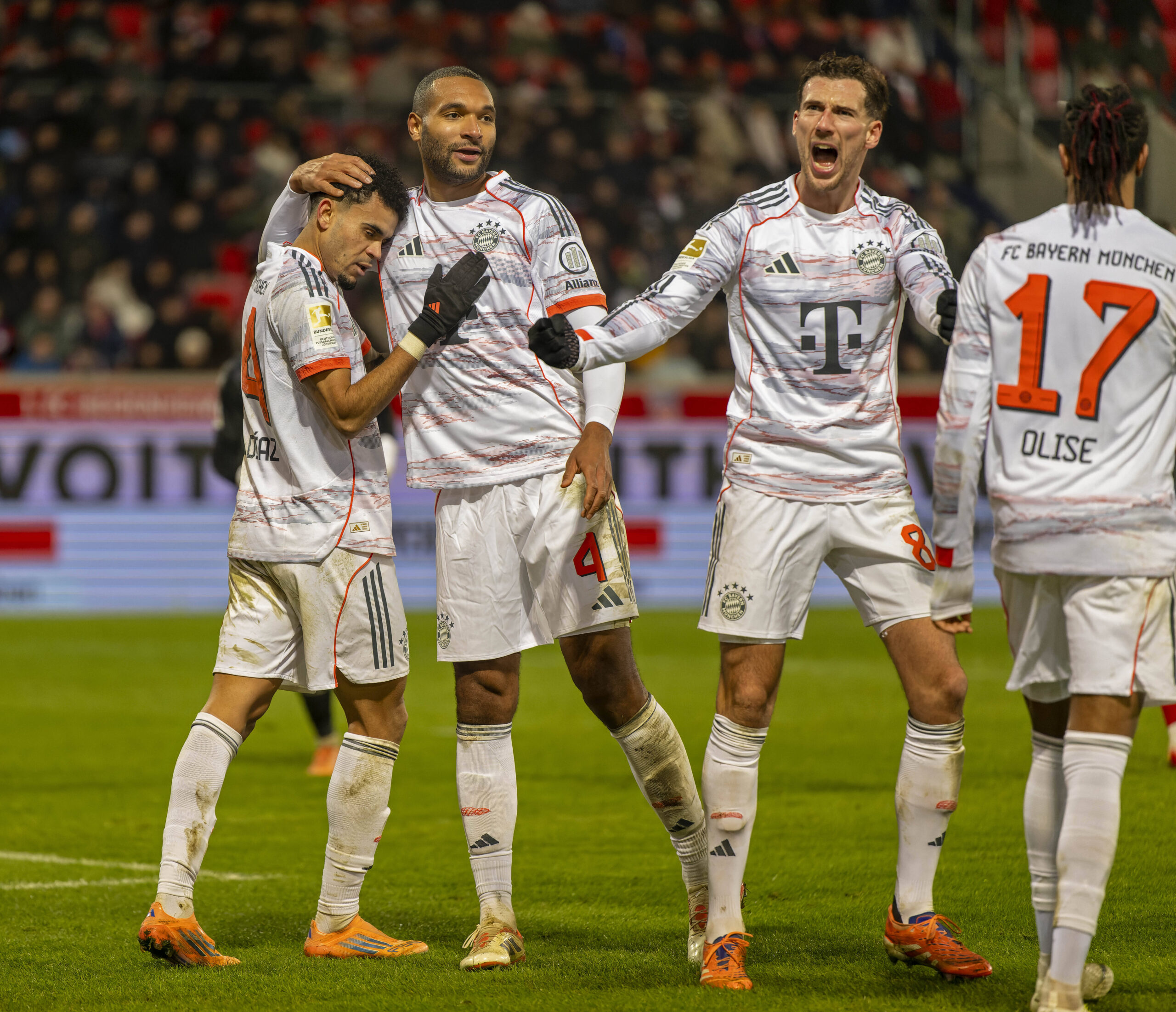
How Fans Engage With Football Beyond the Match
Analysis, Debate, and Tactical Interest
Modern football fans are more informed than ever. Many enjoy discussing formations, pressing systems, recruitment strategies, and managerial decisions. This analytical approach deepens appreciation for the game and encourages thoughtful conversation.
Neutral Mention: Sports Betting as a Secondary Form of Engagement
Among the many ways fans interact with football, some also participate in sports betting as a form of entertainment. Sports betting is not central to football fandom and should not define a supporter’s relationship with the game. However, it exists as one of several optional activities that involve analysis, statistics, and prediction.
For some fans, betting resembles fantasy football or score predictions, adding an extra layer of interest without replacing the emotional connection to the club. The key distinction remains clear:
- football comes first
- betting is secondary and optional
- moderation and responsibility are essential
- emotional support should never depend on outcomes
This mention is purely contextual and reflects the variety of ways fans engage with modern football.
Away Days and the Commitment of Supporters
Travel as a Symbol of Loyalty
Away matches represent one of the purest expressions of fandom. Traveling long distances, often at personal cost, to support a team shows dedication beyond convenience. Away supporters bring color and noise to opposition stadiums and strengthen bonds within fan groups.
Shared Experiences and Collective Memory
Fans remember away trips, dramatic victories, painful defeats, and unexpected moments more vividly than statistics. These shared experiences form the emotional archive of supporter culture.
The Commercial Era and Fan Identity
Global Audiences and Changing Relationships
Football’s commercial growth has expanded its reach but also created tension. Global fan bases bring revenue and exposure, yet some local supporters feel disconnected from clubs increasingly focused on branding and international markets.
Balancing tradition with modern business realities remains one of football’s biggest challenges.
Fans as Stakeholders
Supporters increasingly demand involvement in decision making. Fan ownership models, supporter trusts, and protests demonstrate that fans see themselves as stakeholders rather than customers.
YOU MAY ALSO LIKE: Three Best Asian Footballers in Premier League at the Moment

The Emotional Side of Supporting a Club
Joy, Frustration, and Belonging
Supporting a football team involves emotional extremes. Victory brings euphoria, while defeat can linger for days. Yet fans continue to return because football provides belonging and shared meaning.
Why Fans Never Truly Leave
Even during difficult periods, supporters rarely abandon their clubs. Loyalty persists because football is not just about winning. It is about identity, memory, and connection.
FAQs
1. Why are football fans so passionate?
Because clubs represent identity, community, and emotional history.
2. How has the internet changed fan culture?
It has expanded discussion, created global communities, and given fans a voice.
3. Why mention sports betting in an article about fans?
Only as a neutral reference to one of many optional ways some fans engage with football, not as a focus.
4. Are modern fans different from traditional supporters?
They engage differently, but the emotional core of fandom remains the same.
5. What keeps fans loyal during difficult seasons?
Identity, tradition, and shared experience matter more than results.
Conclusion
Football fans are the heartbeat of the sport. Their passion, loyalty, and creativity shape football far beyond the pitch. From stadiums to online communities, supporters give the game its soul. Neutral references to sports betting simply reflect the diverse ways fans interact with football today, without overshadowing what truly matters. In the end, football endures because its supporters care deeply, loudly, and relentlessly, long after the final whistle is blown.
Main Photo
Credit: IMAGO / Ulrich Hufnagel
Recording Date: 21.12.2025