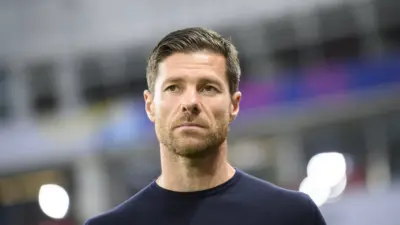

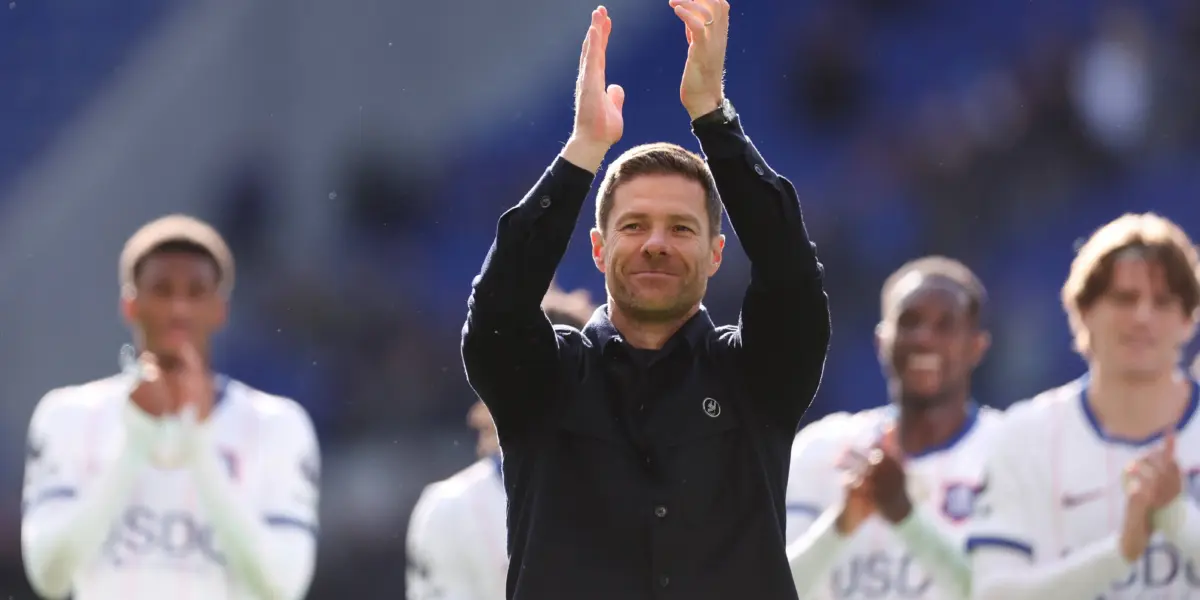
This season, Xabi Alonso’s Chelsea have given fans a rollercoaster of emotions. Having arrived at Stamford Bridge during a period of managerial instability under the BlueCo ownership, which parted ways with now Manchester City coach Enzo Maresca and Liam Rosenior in quick succession, Alonso was handed the keys to the club on a four-year contract.
The Spaniard arrived with the reputation of being one of the most sought-after young managers in football, having established himself as an outstanding coach during his time at Bayer Leverkusen.
Following Roman Abramovich’s departure as Chelsea owner, Todd Boehly and Clearlake Capital took control of the club. Initially, there was a feeling that the new ownership would move away from the Russian billionaire’s reputation for dismissing managers whenever things failed to go according to plan.
However, that expectation quickly disappeared as the club continued to make managerial changes, with Alonso becoming the fifth permanent manager in four years under the new ownership.
The departure of Maresca was particularly significant because the Italian had shown encouraging signs of progress before his relationship with the club’s hierarchy deteriorated. Rosenior’s subsequent appointment was expected to provide a fresh direction, but his relatively short spell only added to the uncertainty surrounding the project.
Although the former Bayer Leverkusen boss inherited a talented but fractured squad that needed more than another tactical adjustment, Chelsea under Alonso have experienced their fair share of inconsistencies. Less than five months into his tenure, some supporters are already beginning to question whether the former Real Madrid midfielder is the right man to take the club forward.
While the frustration surrounding Stamford Bridge is understandable, it is important to remember that rebuilding a team after years of managerial instability requires time. Alonso needs the opportunity to establish his philosophy, develop a consistent playing identity and get the best out of a squad that has experienced several changes in direction.
There will undoubtedly be difficult afternoons along the way, but judging Xabi Alonso’s Chelsea solely on their early-season struggles would be premature. The Spaniard has already demonstrated his managerial capabilities in Germany and with Real Madrid, and there are reasons to believe he can eventually bring similar success to Stamford Bridge.
The Highs: Glimpses of the Leverkusen-esque Blueprint
Statement Victories: Signs of What Chelsea Can Become
Despite the inconsistencies, Xabi Alonso’s Chelsea have produced several performances that demonstrate the potential of what the Spaniard is trying to build at Stamford Bridge. When his tactical principles come together, the Blues look like a genuinely formidable side capable of competing with the best teams in the Premier League.
There have been occasions when their attacking movement, intensity and control of possession have been particularly impressive, offering supporters a glimpse of the footballing identity the Spaniard wants to establish.
Among these performances by Chelsea under Alonso, two results that stand out are the 5-1 demolition of Bournemouth in October and a professional 2-0 victory over Everton.
Both clubs have been something of a bogey team for the Blues in recent seasons, often making life difficult for them and exposing their weaknesses. However, Alonso’s side showed resilience and determination to secure victories in fixtures that demanded concentration and commitment until the final whistle.
These were not merely important wins in terms of league points; they demonstrated just how effective Chelsea can be when the players understand their responsibilities within Alonso’s tactical structure.
Against Bournemouth, Chelsea’s attacking quality and ability to exploit spaces were particularly evident. The team played with confidence, moved the ball with purpose and demonstrated the ruthlessness that supporters have been demanding.
Similarly, the victory over Everton highlighted another dimension of Alonso’s tactical approach. With nothing separating the two sides at half-time, Chelsea showed composure at the Hill Dickinson Stadium, displaying the organisation and game management required to navigate a difficult encounter before eventually securing a comfortable 2-0 win over the Toffees.
These performances are encouraging because they suggest that the Spaniard’s ideas are gradually taking shape. However, as Jordan Henderson acknowledged during the club’s press conference days ago, consistency remains a major concern for Chelsea under Alonso, although the team are working hard to address it.
Attacking Evolution: Getting the Best Out of His Players
Another encouraging development has been the improvement and growing influence of several attacking players under Alonso. The Spaniard’s tactical structure appears to be creating opportunities for individuals to express their abilities while contributing to the collective performance of the team.
Morgan Rogers, Chelsea’s £117 million signing, has been particularly impressive, leading the club’s scoring charts. His attacking contributions highlight the goalscoring threat Alonso wants from his forward line, particularly as Chelsea’s attack without João Pedro has lacked some of its usual cutting edge.
With the Brazilian sidelined through injury, Rogers has stepped up admirably, adding another dimension to the team’s attacking play and taking on greater responsibility.
Meanwhile, Cole Palmer continues to be the creative heartbeat of the team. His ability to operate between the lines, create opportunities and produce moments of individual brilliance makes him an important figure in Alonso’s plans. Having a player capable of unlocking stubborn defences is invaluable, particularly when Chelsea encounter opponents who prefer to sit deep and limit the space available in attacking areas.
The challenge now is ensuring that ‘JP Morgan’ deliver consistent performances, as Alonso will need his attackers to maintain their productivity while developing a better understanding of one another’s movements on the pitch. Once that chemistry develops, Chelsea under Alonso could become a particularly exciting attacking force.
READ MORE: Calvin Bassey Man United: Is the 26-Year-Old Really the Ultimate Defensive Solution?

League Position: Chelsea Are Still in the Champions League Race
When Xabi Alonso was appointed Chelsea’s head coach, one of the major objectives set before him was securing Champions League qualification. Perhaps the strongest argument against the growing negativity surrounding the Spaniard is the club’s current position in the Premier League table, particularly given the fear of missing out on Europe’s elite competition in consecutive seasons.
Despite their inconsistent performances and occasional disappointing results, Chelsea still sit fifth heading into late November, keeping themselves firmly in the race for Champions League qualification.
Considering where the club finished last season, this represents an encouraging improvement. The Blues ended the 2025/26 campaign in tenth position, making their current standing a sign of the progress made under Alonso, even if their performances have not always been convincing.
With 28 Premier League fixtures still to play, Chelsea must demonstrate that they can maintain their position and remain competitive when the pressure intensifies during the second half of the campaign.
Nevertheless, supporters should not lose sight of the bigger picture. At the same stage last season, the club were in a considerably less favourable position, whereas Chelsea under Alonso are showing signs of moving in the right direction. There is still plenty of work to be done, but their current league position provides genuine reasons to believe that further improvement is possible.
For a club that has spent the past few seasons struggling to establish consistency, that progress is worth recognising.
The Lows: Growing Pains of a Tactical Overhaul
Inconsistency and Frustrating Drops: Why Fans Are Losing Patience
For all the excitement surrounding Xabi Alonso’s Chelsea, the disappointing results have made it difficult for supporters to fully trust the process. Their emphatic victories this season demonstrated what the team could achieve when everything worked as planned, but those performances have often been followed by results that raise questions about the team’s mentality and consistency.
Of Chelsea’s four Premier League defeats this season, three have come in London derbies, highlighting a worrying weakness in their performances against familiar opposition. The 3-0 defeat at Brentford in September was a particularly disappointing setback, exposing the Blues’ defensive vulnerabilities and their struggles against opponents willing to challenge them physically and exploit spaces.
A similar story unfolded in their 2-1 defeat at the Emirates earlier in the campaign, where Xabi Alonso’s Chelsea lacked the clinical edge needed to make their opportunities count.
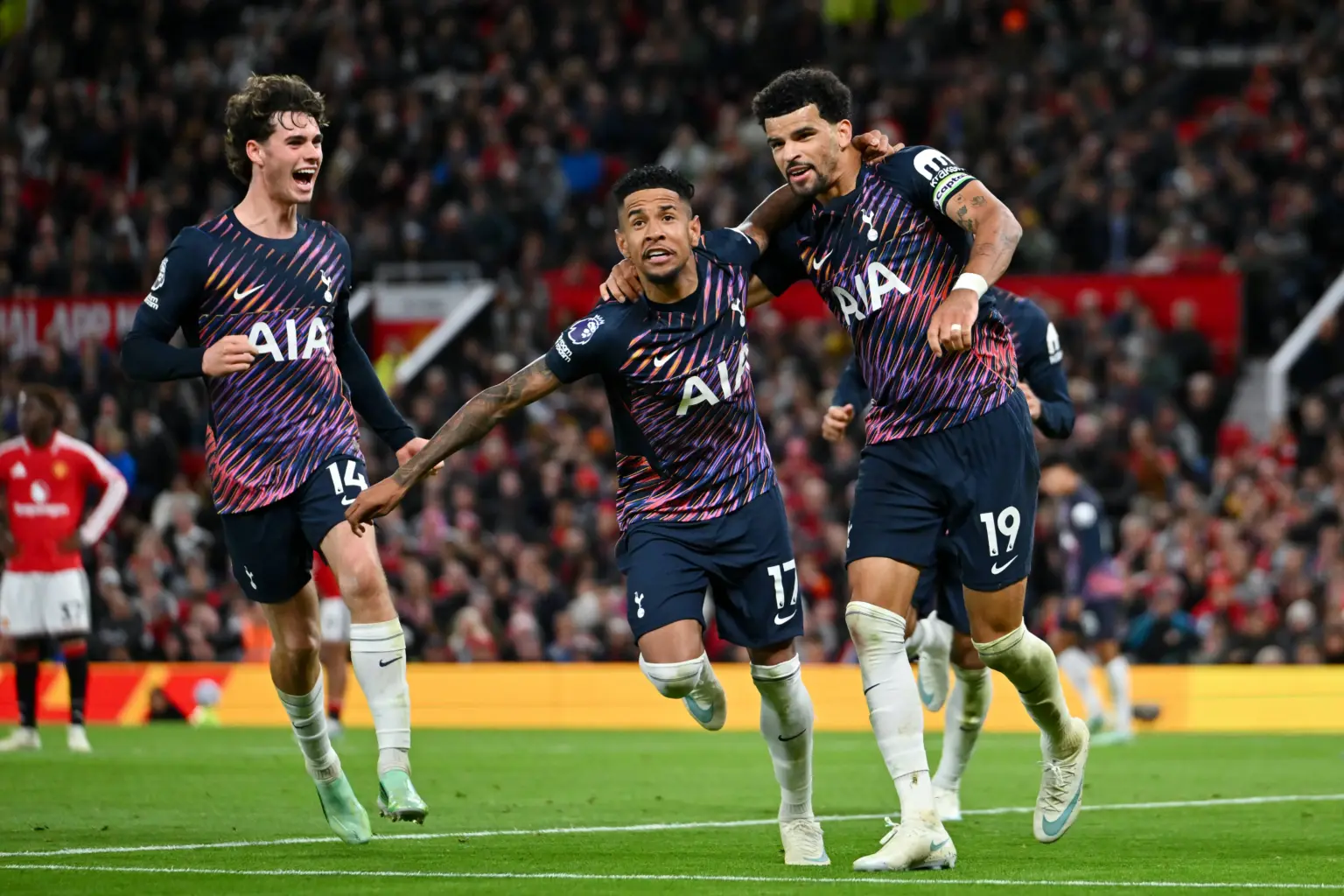
Meanwhile, the 2-0 home defeat to Tottenham provided another frustrating afternoon for the Stamford Bridge faithful, particularly given the expectations surrounding the derby.
Their Carabao Cup shootout elimination against Liverpool added to the disappointment, while the sluggish 1-0 defeat to Sunderland immediately before the November international break provided another reminder that Chelsea under Alonso still have considerable work to do.
But there is a difference between acknowledging the team’s shortcomings and immediately questioning whether the manager is capable of turning things around.
Developing a new footballing identity inevitably comes with difficult periods, and Alonso’s challenge is to ensure that these setbacks become valuable learning experiences rather than recurring problems. Chelsea have more than enough quality in the squad, but turning that individual talent into consistent, cohesive team performances remains one of the biggest challenges facing the Spaniard.
MORE FOR YOU: Tottenham Hotspur Attack: Why Roberto De Zerbi’s Expensive Rebuild Is Still Misfiring
System Friction and Squad Management: Alonso Still Has Problems to Solve
One of the biggest reasons behind Chelsea’s inconsistent performances this season has been the difficulty of adapting to Alonso’s 3-4-3 formation. The Spaniard has a clear tactical identity, but putting his ideas into practice takes time. Players must adjust to new positional responsibilities, build stronger relationships on the pitch and learn to adapt their approach to the different challenges posed by each opponent.
The 3-4-3 and 3-4-2-1 formation places considerable responsibility on the wing-backs, who must have the energy to provide attacking width while remaining disciplined enough to protect the defensive line. The midfielders also need to understand when to control possession, press aggressively and support the attacking players.
These movements require coordination, and it is understandable that Chelsea under Alonso will experience occasional difficulties while adjusting to the system.
Squad management is also a challenge.
The Blues have assembled a massive squad filled with talented young players, established internationals and experienced professionals, meaning Alonso must find the right balance between giving emerging talents opportunities and maintaining enough experience within the starting eleven.
The situation surrounding 19-year-old Estêvão Willian is another example of the challenges Alonso faces in managing his squad.
The inclusion of a Ballon d’Or clause in the agreement between Palmeiras and Chelsea reflects the enormous expectations surrounding the Brazilian’s potential. Having already attracted comparisons with Lamine Yamal, Michael Olise and other talented attackers, Estêvão has demonstrated glimpses of his outstanding ability.
His frustration over limited playing time, which became evident while on international duty, highlights the difficulty of keeping ambitious young players satisfied when regular opportunities are hard to come by.
Estêvão is not too young to play a more prominent role at Chelsea. At this stage of his career, regular football is crucial to his development, and Alonso must find a way to give him meaningful opportunities without disrupting the team’s overall structure and balance.
There is also the question of integrating experienced figures such as Jordan Henderson and Emiliano Martínez into a squad dominated by younger players. Their experience and leadership can be valuable during difficult periods, particularly when Chelsea need composure and guidance on the pitch. But finding the right combination of youth, experience and tactical suitability is not always straightforward.
This is where time and patience are most needed. The manager must establish a clear hierarchy, manage expectations and ensure that every player understands their role within the larger project.
Chelsea Under Xabi Alonso Is a Work in Progress: Why Fans Must Keep the Faith
There are plenty of reasons why supporters should resist the temptation to write off Xabi Alonso’s Chelsea after a difficult start to the season. The Spaniard has already demonstrated what he can achieve when given the time and resources to build a team around his philosophy. His historic, unbeaten Bundesliga double with Bayer Leverkusen in the 2023/24 campaign did not happen overnight. When Alonso took charge in October 2022, he inherited a struggling side sitting near the bottom of the Bundesliga.
It took months of hard work, tactical adjustments and the opportunity to prepare the team during a full pre-season before Leverkusen developed into one of Europe’s most exciting sides.
That experience should remind impatient Chelsea supporters that building a successful team requires patience, particularly when a manager is attempting to establish a completely new identity.
His brief spell at Real Madrid should also count in his favour. His seven-month stint at the Spanish giants during the 2025/26 campaign exposed him to a different level of managerial experience, particularly the challenges of handling a dressing room filled with established superstars, strong personalities and enormous expectations.
Although his time in Madrid did not produce the results he had hoped for, the experience would have taught him valuable lessons about managing player egos, navigating internal tensions and maintaining authority under intense scrutiny. These are challenges he will inevitably face at Stamford Bridge, where expectations for Xabi Alonso’s Chelsea remain high despite the club’s recent instability.
Ultimately, Chelsea’s biggest enemy over the past four years has arguably been impatience. The constant managerial changes have prevented the club from developing any meaningful continuity, with each new appointment bringing another tactical approach and another rebuilding process. Repeating that cycle would only take the Blues further away from the stability they desperately need.
From now till the end of the season, there will undoubtedly be more disappointing performances along the way, but abandoning the project midway would be a familiar mistake. If Chelsea genuinely believe Alonso is the right man to lead them forward, they must demonstrate that belief by giving him the time to work, and by also backing him properly when the transfer window opens.
Supporting Chelsea through the difficult moments may be the only way the club can finally turn its considerable potential into consistent performances and silverware.
ALSO ON ETT: Portugal National Team: Four Major Reasons Why the Seleção Will Thrive Without Cristiano Ronaldo

Extra Time Notes
It is difficult to blame Chelsea supporters for demanding immediate results, particularly given the success they became accustomed to during the Roman Abramovich era. However, football is rarely a plug-and-play business, and building a successful team requires more than simply appointing a new manager and expecting instant results.
Mikel Arteta’s Arsenal provides a good example of why patience is important. The Spaniard has been in charge of the Gunners for over seven years, making him the longest-serving manager in the Premier League. It took years of tactical development, careful recruitment and several transfer windows before his ideas began to produce the desired results.
Arteta also endured difficult periods when sections of the Arsenal fanbase called for his dismissal, but the club’s hierarchy continued to back him. That faith has eventually paid off, with Arsenal ending their long wait for a Premier League title after more than two decades. Having now established themselves as one of the strongest sides in English football, the Gunners look increasingly difficult to stop and are well-positioned to defend their crown. Chelsea under Alonso deserve that same kind of patience.
The same can be said of Liverpool under Jürgen Klopp. The German did not transform the Reds into a dominant force during his first campaign at Anfield. It took several years of tactical adjustments, squad improvements and carefully selected signings before Liverpool became consistent contenders for major honours.
He eventually guided the club to the Premier League title in his fifth season and the Champions League in his fourth, going on to spend nearly nine years at Anfield.
Even Pep Guardiola experienced difficulties during his first season at Manchester City, despite arriving with a reputation as one of the greatest managers in football history. His early struggles did not prevent the club from backing his vision, and that decision laid the foundation for a remarkable period of success.
During his decade at City, Guardiola won six Premier League titles alongside several other domestic trophies before finally delivering the Champions League in his seventh year.
If Chelsea hope to enjoy similar success, they must avoid repeating the mistakes that have characterised their recent managerial history.
Xabi Alonso’s Chelsea need stability, and the Spaniard must be given sufficient time to implement his ideas, identify the players who fit his system and strengthen the areas that require improvement. That also means allowing him to trim down an oversized squad and build a group of players he can manage effectively.
Chelsea under Alonso may not become an unstoppable force overnight, but constantly changing managers will only make the rebuilding process more difficult.
If the club’s hierarchy can demonstrate the same patience and commitment shown by Arsenal, Liverpool and Manchester City, there is every reason to believe that Chelsea can eventually turn their potential into sustained success and return to the pinnacle of European football.
More Premier League News
Newcastle United vs Arsenal: Three Key Battles Ahead Of The 2026/27 Premier League Clash
Manchester United Squad Clearout: Five Players Who Must Go In A Ruthless Overhaul