
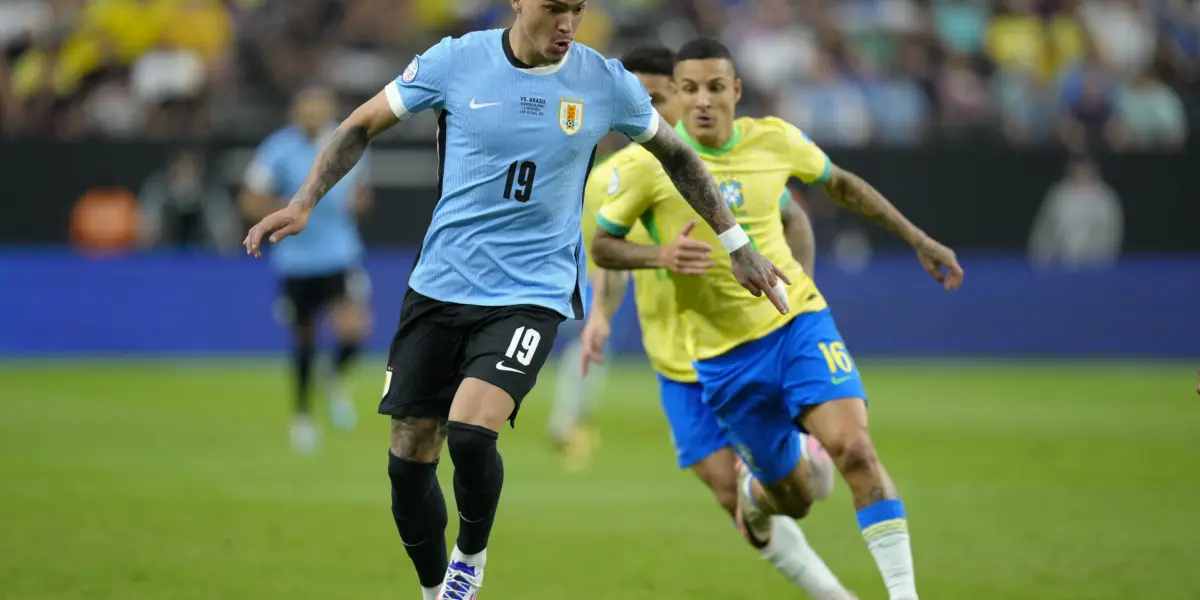
CONMEBOL and CONCACAF made a joint announcement today, confirming what had long been rumored, that the Copa America will return to the United States in 2028. It will be the third edition played in the United States, after the 2016 Centenario and 2024, and the second in a row hosted outside South America. In 2024, Argentina defeated Colombia in Miami to retain their title, while previously, Chile had won the 2016 edition played in the United States by defeating Argentina.
Copa America Confirmed for June 2028
The 2028 edition will be played at stadiums across the United States from June 9th to July 9th, and 16 teams will be entrants. That’s the 10 teams from South America that are CONMEBOL members, and 6 more from CONCACAF. The CONCACAF entrants will be confirmed based on how teams perform in the 2027 CONCACAF Gold Cup, which is also hosted in the United States next summer. The final on July 9th lands just days before the Los Angeles Olympics open, in the one clean window of a crowded American summer.
Why the United States again? Here is the answer nobody bothers to hide. More than 1.5 million fans attended the 2024 edition, and the money in the American market is money no South American host can match. The tournament has become a cash machine, and no bid from South America can compete with it. That is simply the reality of where the sport’s economy now sits. “The CONMEBOL Copa América is much more than a tournament: it is part of our identity, our history and the greatness of South American football,” CONMEBOL president Alejandro Domínguez said. “In 2028, we will once again bring that passion to the United States, reaffirming our historic partnership with CONCACAF.” The tournament was first played in 1916 and lived its entire life in South America. It will now have been staged in the United States three times in twelve years.
The case is not only financial. The venues are modern, safe and high quality, the organization of events is reliable, despite the security issues at the stadium in Miami for the 2024 final, and the United States based diaspora fills stadiums for teams that would play in front of empty seats elsewhere. Colombia, Venezuela, Ecuador, Peru, and Mexico all draw like home teams in American stadiums, because for millions of their fans, it is home. Concacaf president Victor Montagliani pointed to the sporting side of the deal. “After our collaboration in 2024, we are pleased to join forces again to bring the CONMEBOL Copa America to our region in 2028,” he said, adding that the agreement will give six Concacaf national teams a new opportunity to compete against some of the best in the world.
Can the Copa America Retain Its Popularity Without Lionel Messi?
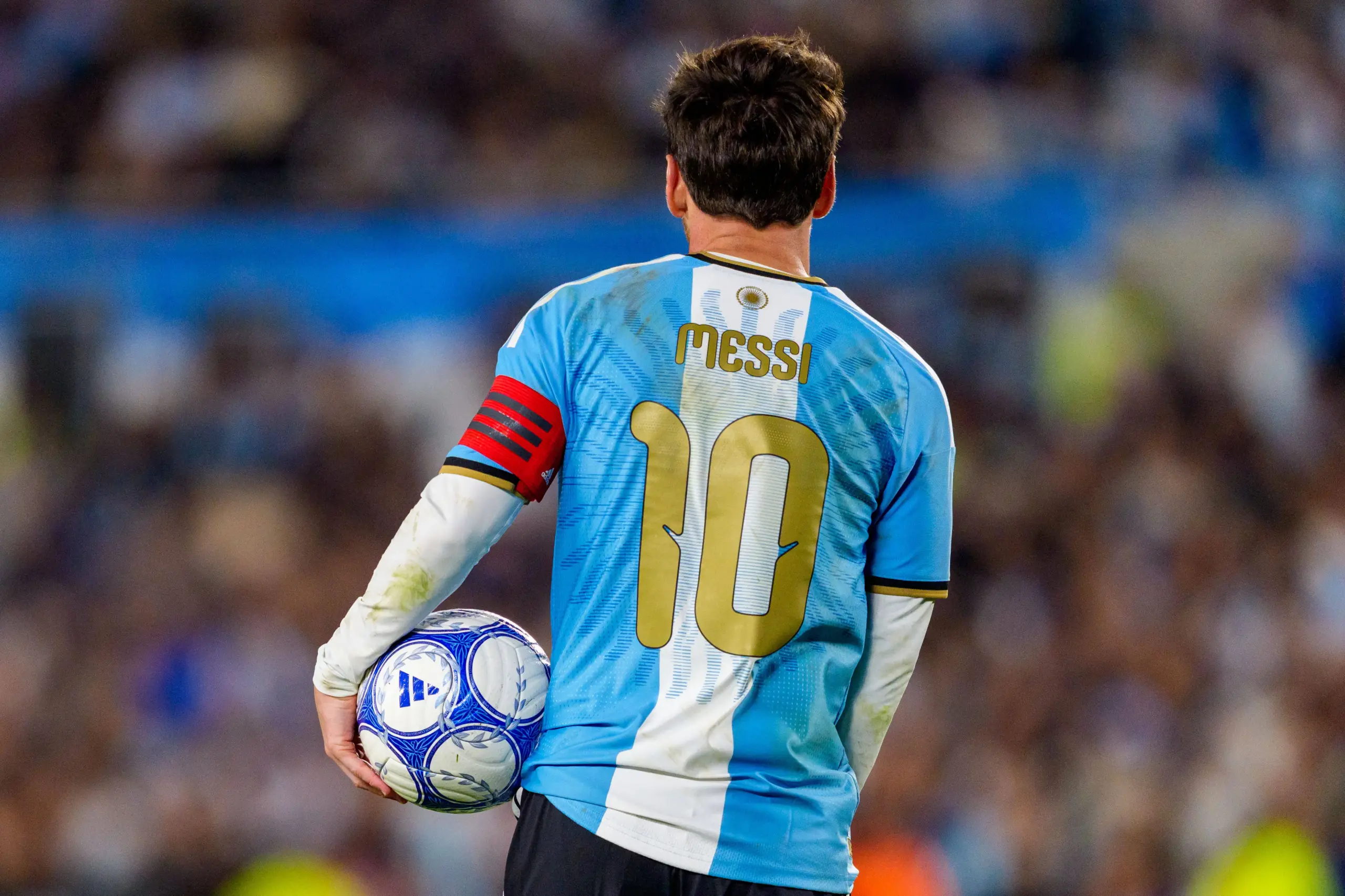
Argentina will defend the title as two-time defending champions, having won a record sixteenth crown in 2024. They will do it without Lionel Messi, who retired from the national team last month at 39. The first Copa America of the post-Messi era will be played in the country where he is finishing his club career at Inter Miami, in front of the crowds that adopted him as the most followed footballer in the United States.
You May Also Like: Argentina Says Goodbye to Lionel Messi With Tears and Fireworks
The honest question is whether the demand survives the departures. Messi has retired, James Rodríguez has retired, and Neymar has hit the exits too. CONMEBOL has always pursued an aggressive ticket pricing approach for games played in the United States, and pricing built for a tournament headlined by legends will be tested by a tournament headlined by teams instead, given none of these players has an obvious successor yet.
The teams are still compelling. Argentina, the World Cup runners-up, remain the top contenders, led by players like Lautaro Martínez and Julián Álvarez, while Brazil, Uruguay, and Colombia will all want to make their case as potential champions too. Brazil still boasts the deepest domestic league in South America, Uruguay is now led by interim manager Diego Forlán, and Colombia has players across Europe including Davinson Sánchez and Luis Díaz.
Paraguay and Ecuador will be trendy dark horse picks. Paraguay knocked Germany out of the 2026 World Cup on penalties before losing narrowly to France, and has retained Gustavo Alfaro as manager, while Ecuador boasts a young roster still with players like Moisés Caicedo.
Read More: Changes: South American International Teams Enter a New Era
The CONCACAF participants, despite some home field advantage, remain underdogs too. The United States is talented, and the 2027 Gold Cup will be their first major tournament under a new manager after Mauricio Pochettino returned to the Premier League. Mexico has begun life under Rafa Márquez, but has struggled in the early returns after a successful home World Cup in 2026 where they reached the knockout phase. Canada’s project continues under Jesse Marsch.
Extra Time Notes
Despite significant criticism by some South American fans, the Copa America leadership clearly sees its economic and competitive future in a united Americas format, and that’s what Copa America 2028 will be once again. Many fans will hate hearing it, but the integration is working to ensure competitive parity with Europe, and it is good for football in both confederations. Argentina and Brazil continue to have the venues needed to host the tournament alone, and a country like Colombia could make a competitive bid, but it was always a natural landing place after the financial success of the 2024 Copa America and the 2026 World Cup to continue the momentum and host the tournament in the United States.
The legends are leaving, and that is a real loss. What replaces them is a tournament that belongs to the whole continent now, played where its fans actually live. Teams will know what to expect now as they prepare for the next bid for continental glory.
More World Football Coverage
Americas Football Round Up: Mauricio Pochettino Wins Big Going Away
Americas Football Round Up: Boca Juniors Crowned Copa Sudamericana Champions
Xabi Alonso’s Chelsea: Why Fans Must Keep Faith Despite the Highs and Lows
Main Photo Credit: Lucas Peltier-USA TODAY Sports