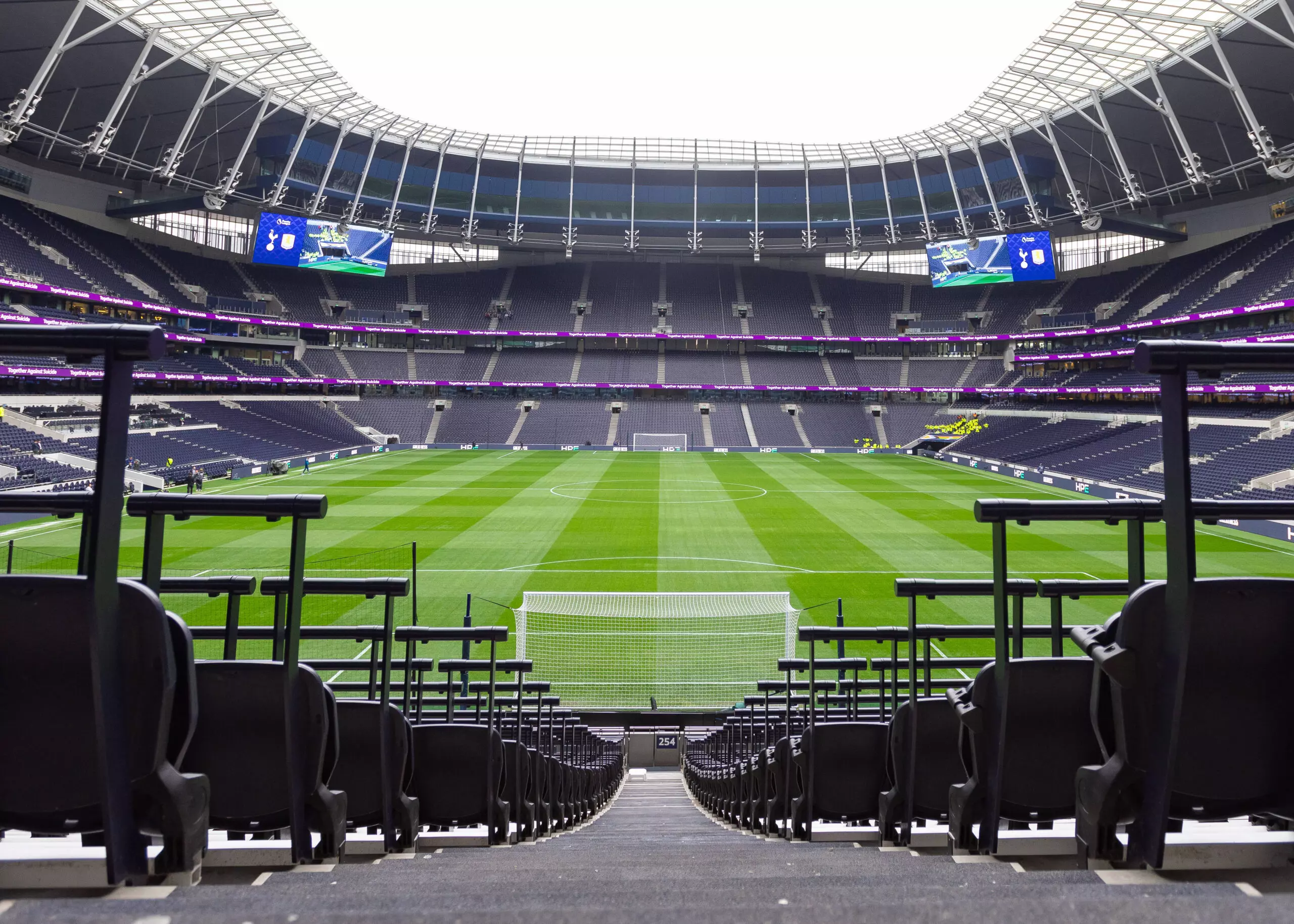

An envelope, six months of a family’s savings, and a first match that never happened. The stadium pitch scandal at Bogota’s El Campin has a face now. He is eight years old.
The Envelope That Held A Child’s Dream
On September 7th in Puerto Asis, Colombia, a town closer to Ecuador than to Bogota, a mother handed her son an envelope. Inside was a ticket she had made herself.
“Vamos a ver a Millonarios vs Once Caldas. Feliz cumpleaños hijo. Te amamos. Nos vamos al Campín.” We’re going to see Millonarios. Happy birthday, son. We love you. We’re going to El Campin.
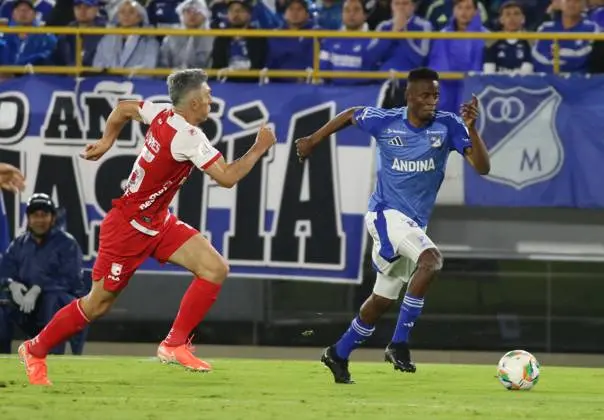
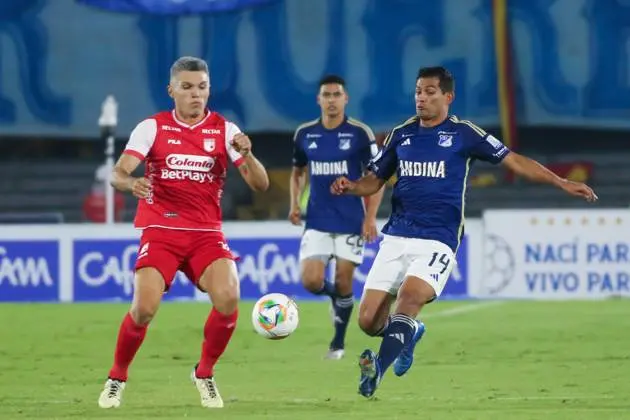
Andrés Fernando Ángel Monroy is eight years old. His parents had saved for six months to give him that envelope. It held the fulfillment of a child’s dream, the opportunity to see a home match for his favorite team, Millonarios, one of two famous teams that play at El Campin in Bogota. What the family did not know is that Bogota had already sold that future to a concert calendar and poor administrative management of the stadium.
A Game Cancelled 16 Minutes Before Kick-Off, Another Embarrassment at El Campin
The bus from Puerto Asis to Bogota takes 20 hours in transit. Andrés and his family rode it. They arrived for a Tuesday night kickoff between sixth-place Millonarios and tenth-place Once Caldas. Both teams published their lineups. The fans were in their seats, looking forward to a match with significant implications for Colombia’s postseason, where the top eight teams in the table reach the finals series.
At 8:14 p.m., sixteen minutes before kickoff, Dimayor, Colombia’s football administration, officially cancelled the match.
Inspectors had peeled back the black plastic covering the newly laid grass and found it lifting in pieces, unfit for professional football. In the stands, a father in a white Adidas jacket hugged his crying son at the top of the stadium, above a tarped pitch. “Devastado,” the father said afterward to reporter Jaco Tikitaka outside the stadium. Devastated. The mother added: “Me da rabia, me da tristeza.” It makes me angry. It makes me sad. They had to travel home the next morning, having not seen any football played at all.
They were not alone. Another father wrote on social media that night that the same thing had happened to his six-year-old: first match, and then the bus back to Ibague. “Qué falta de respeto con la hinchada.” What a lack of respect for the fans.
And outside the stadium, an Once Caldas fan from Chinchina, Colombia told Fútbol RCN the same story: everything paid for, soaked through in the rain, going home tomorrow. “Da tristeza, mano. Eso da tristeza.” It makes you sad, man. It makes you sad. Both sets of supporters sharing the same emotions.
The damage did not stop with one match. On Wednesday, Dimayor also postponed Santa Fe’s next home match, against Jaguares, and Dimayor president Carlos Zuluaga said El Campin cannot host professional football in the short term. For the second time in 2026, Bogota’s stadium is closed for football.
A Stadium Ruined by Concerts, Not Weather
While Bogota is a city that receives a fair amount of rain, it wasn’t just the rain that ruined the field, it was an aggressive concert calendar putting stress on the field. Dating back to September 23rd, El Campin was closed to football, the Korean superstar group BTS performed for two nights on October 2nd and 3rd at the stadium, generating a reported $25.4 million in economic impact.
That event wasn’t a one-off. In February of this year, El Campin, which holds 39,000 spectators, had already been shut down as unfit to play on, and Dimayor cancelled three matches. The reason? Colombia’s own J Balvin, Latin music superstar, had performed in December. The concerts rip up the pitch, and the private company that operates the stadium, Sencia, hasn’t been able to properly manage or replace the grass to prevent disaster. That means the men’s and women’s teams of the main clubs in Bogota, Millonarios and Santa Fe, lack a quality home stadium.
Only this time it was worse, as the fans were already inside the grounds when the match was cancelled.
The toll isn’t just paid by the supporters. In March 2025, Millonarios striker Leonardo Castro stepped on an unstable patch of this same pitch and fractured his fibula completely. He was out for months, and everyone watching could tell it wasn’t a normal injury. It was the state of the pitch that left Castro on a stretcher. Colombian national team goalkeeper Alvaro Montero said post-match in March 2025 “The state of the pitch is a disaster. I finished the game with a swollen ankle; imagine what happened to Leo (Castro) ….we can’t continue playing in these conditions”
More than a year later, the problem has gotten worse.
Read More: “I’m Already Rich, I Don’t Need to Run”: The Strange Story of Colombia’s Lost Striker Jhon Duran
Two Passions That Cannot Coexist
If you asked the public what Colombia is most passionate about, football and music would top the list. At El Campin, they cannot coexist.
The relentless calendar of outdoor concerts in Bogota is going to continue well into Colombia’s festive Christmas season. Fonseca plays the stadium on October 24. Ryan Castro plays it on October 31 — his show has already pushed Millonarios vs table leading America de Cali back to November 3.
In Bogota, music always gets the stadium. Football takes the backseat, and it increasingly has become an unsustainable situation.
You May Also Like: Florian Wirtz’s Form: Is The £116 Million Playmaker Struggling Or Being Tactically Wasted
Extra Time Notes: The Challenges South American Football Faces
The situation at El Campin is a highly visible example of one of the biggest challenges facing football across South America. Many stadiums in the biggest cities are outdated, poorly maintained, or face strains on infrastructure due to competing events. Bogota is a modern city in Latin America with a growing economy, and all variety of entertainment events on show. El Campin is important to the city’s economy, that’s why the city government and Bogota mayor Carlos Fernando Galán were so outraged by the mismanagement of the stadium turf.
Colombia’s league wants to attract better players, and compete once more for glory in the Copa Libertadores and Copa Sudamericana, but if two of their biggest clubs lack a suitable field, the league itself looks unserious and undesirable. The status quo can’t hold, and perhaps a child’s tears will finally spur action.
Meanwhile, Colombian football supporters across Bogota and all of Colombia have reached out to the family who was left stranded by the cancellation. They have offered tickets, and to cover the expenses for the family. That solidarity across teams is also what makes football the people’s sport in South America, but in Bogota, the status of El Campin is now a crisis.
Main Photo Credit: Imago Images/Nur Photo Copyright: xDanielxGarzonxHerazox
More Americas Football Coverage:
New Brasileiro Roster Rule Could Upend South American Football
A Brotherhood Born in Pain: A Decade of Friendship Between Atlético Nacional and Chapecoense