
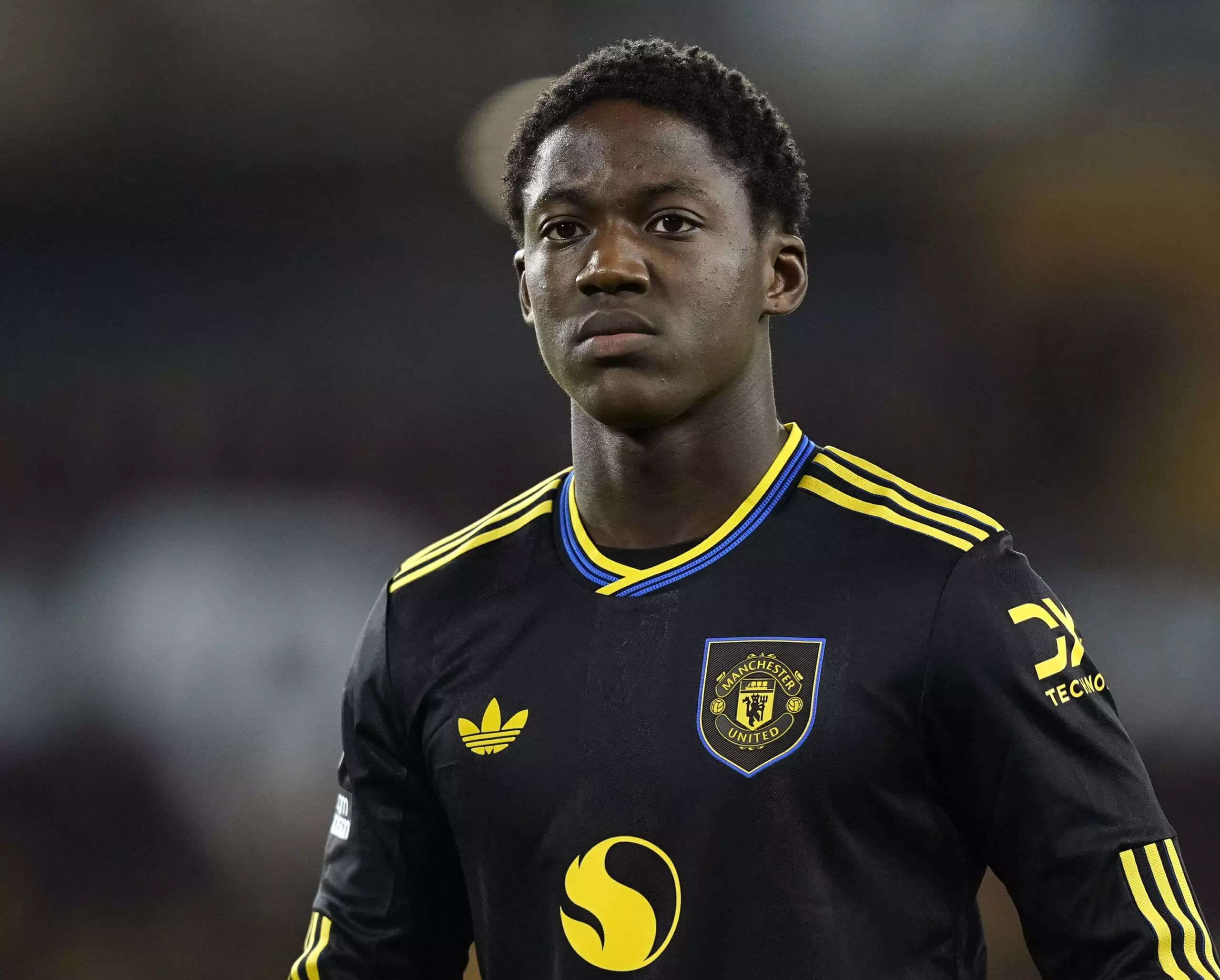
Kobbie Mainoo walked onto the pitch at Selhurst Park with an expression that said more than words ever could – blank, distant, and quietly defeated. Manchester United were already in control after turning the game to win 2-1 against Crystal Palace, yet he was only introduced in the 90th minute plus stoppage time.
It wasn’t the entrance of a young midfielder trusted to shape a match; it was the kind of appearance given to someone whose role has faded into something unclear. In moments like these, it becomes obvious why conversations around a Kobbie Mainoo loan move have become louder – not out of impatience, but out of genuine concern for a career losing momentum.
And that expressionless look is becoming a regularity. It was the same one he wore during United’s 4-1 victory over Wolves, when he came on in the 78th minute – a moment he once would have used to stamp authority, now reduced to a cameo that barely counts as participation.
For a player who started 19 Premier League matches last season, going from a vital midfield presence to a player who hasn’t started any of United’s 15 league games this season is not just a drop – it’s a freefall, highlighting the limitations of Manchester United’s squad depth in giving young talents meaningful minutes. The adjustment has been brutal, and the emotional cost is beginning to show.
This is the unhappiest period of Kobbie’s young career, and it comes at the worst possible time. With the 2026 World Cup approaching, Thomas Tuchel England selection will naturally favour players who are active, trusted, and consistently performing for their clubs. For Mainoo, the reality is harsh: without game time, his 2026 World Cup hopes with England are slipping from unlikely to almost impossible.
And so the question becomes unavoidable: if United won’t start him, and they rarely play him, why deny him the opportunity to fight for his future elsewhere? A Kobbie Mainoo loan move is no longer just a development idea – it’s the lifeline he needs.
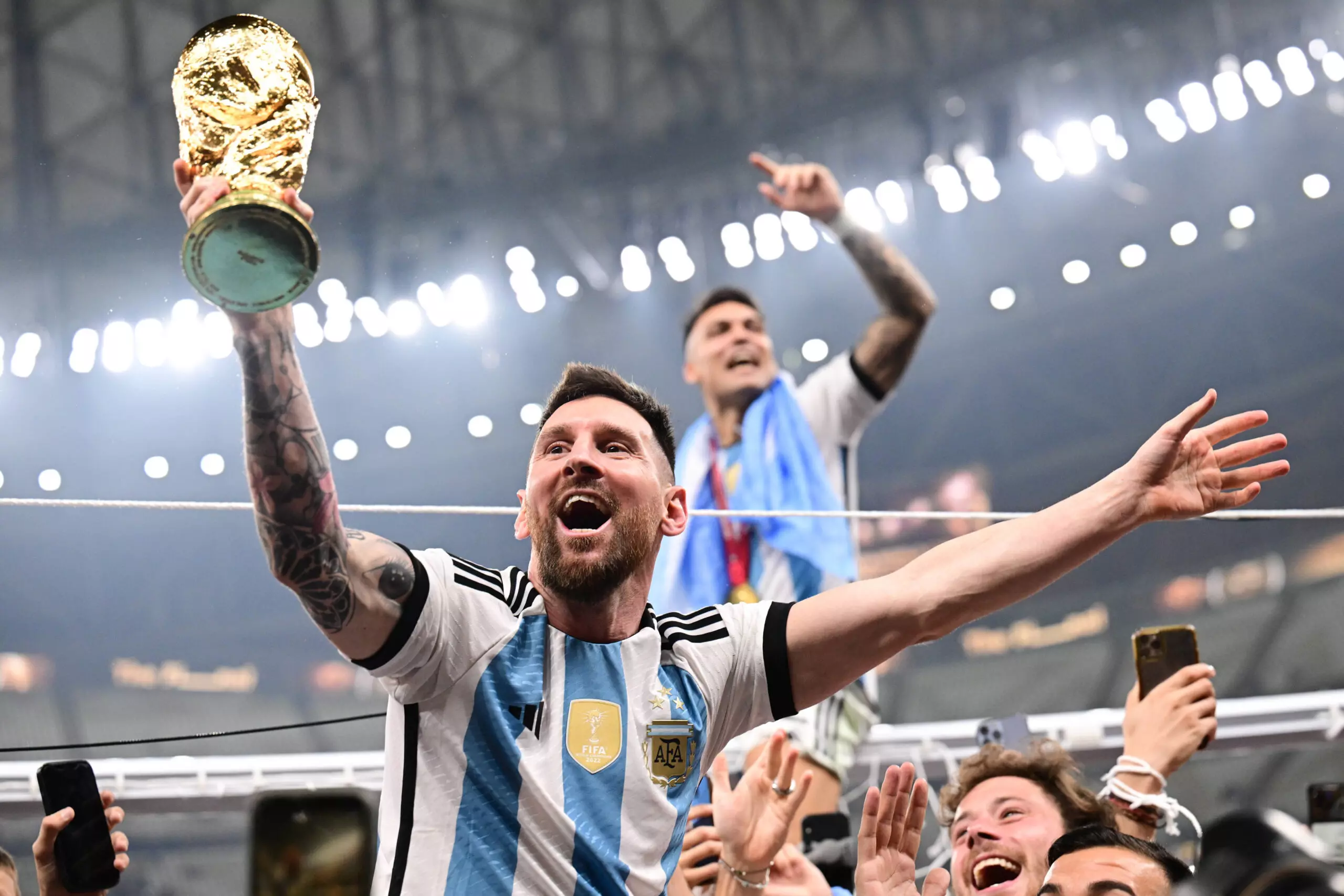
READ MORE: Memorable World Cup Moments and the Impact on Sports Entertainment
Manchester United’s Reality: A Role That No Longer Exists for Mainoo
The sudden shift in Kobbie Mainoo’s status didn’t happen by accident – it came from a tactical change that quietly pushed him out of the picture. Under Amorim, Manchester United now operate with a two-function midfield: one deeper pivot who holds the base, and Bruno Fernandes occupying a more controlled deeper role despite still being the team’s creative core.
It’s a structure that demands discipline from the holding midfielder and experience from the advanced one. And in this system, Mainoo suddenly fits nowhere.
Last season, Mainoo was often used as the primary ball-winner – a role that mirrors what Casemiro used to do. But that came with growing pains. For all his talent, he is naturally forward-thinking. He carries the ball, plays on the half-turn, and breaks lines – he’s not the passive shield this system requires.
That limitation is normal for a young, attack-minded midfielder. But instead of shaping his development, Amorim simply removed the space Mainoo once occupied.
Then came the comment that changed everything.
In an interview, Amorim stated that Mainoo is competing for the same position as Bruno Fernandes. On paper, it sounds logical. In reality, it’s crushing. Bruno is an elite, established figure who has delivered for five straight seasons, played almost every match, and rarely picks up injuries. He’s the captain, the heartbeat, the indispensable constant.
So when the manager says Mainoo is fighting for Bruno’s spot, the message is clear:
You won’t play. Not now. Not soon.
No youngster – no matter how gifted – can realistically compete with that. And while the statement looked like an honest tactical explanation, it also exposed the harsh truth: the manager doesn’t see a viable pathway for him right now.
That erosion of trust is why this situation has become so delicate. Mainoo isn’t losing minutes because of poor form; he’s losing minutes because the system, hierarchy, and pathway have closed around him. And in the context of Manchester United squad depth, this shows the contradiction: depth is cited as a reason to keep him, yet that “depth” isn’t being utilised at all.
How Mainoo’s World Cup Dream Is Slipping Away
What this current situation means for Kobbie Mainoo is brutally simple: he has almost no pathway into the 2026 World Cup squad. International football demands visibility, rhythm, and trust. The Thomas Tuchel England selection wants players who are active and sharp, and Mainoo, right now, has been pushed into invisibility.
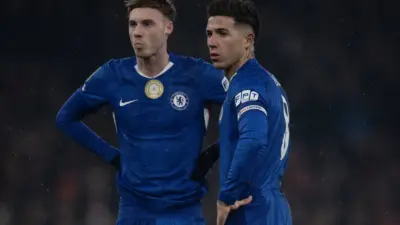
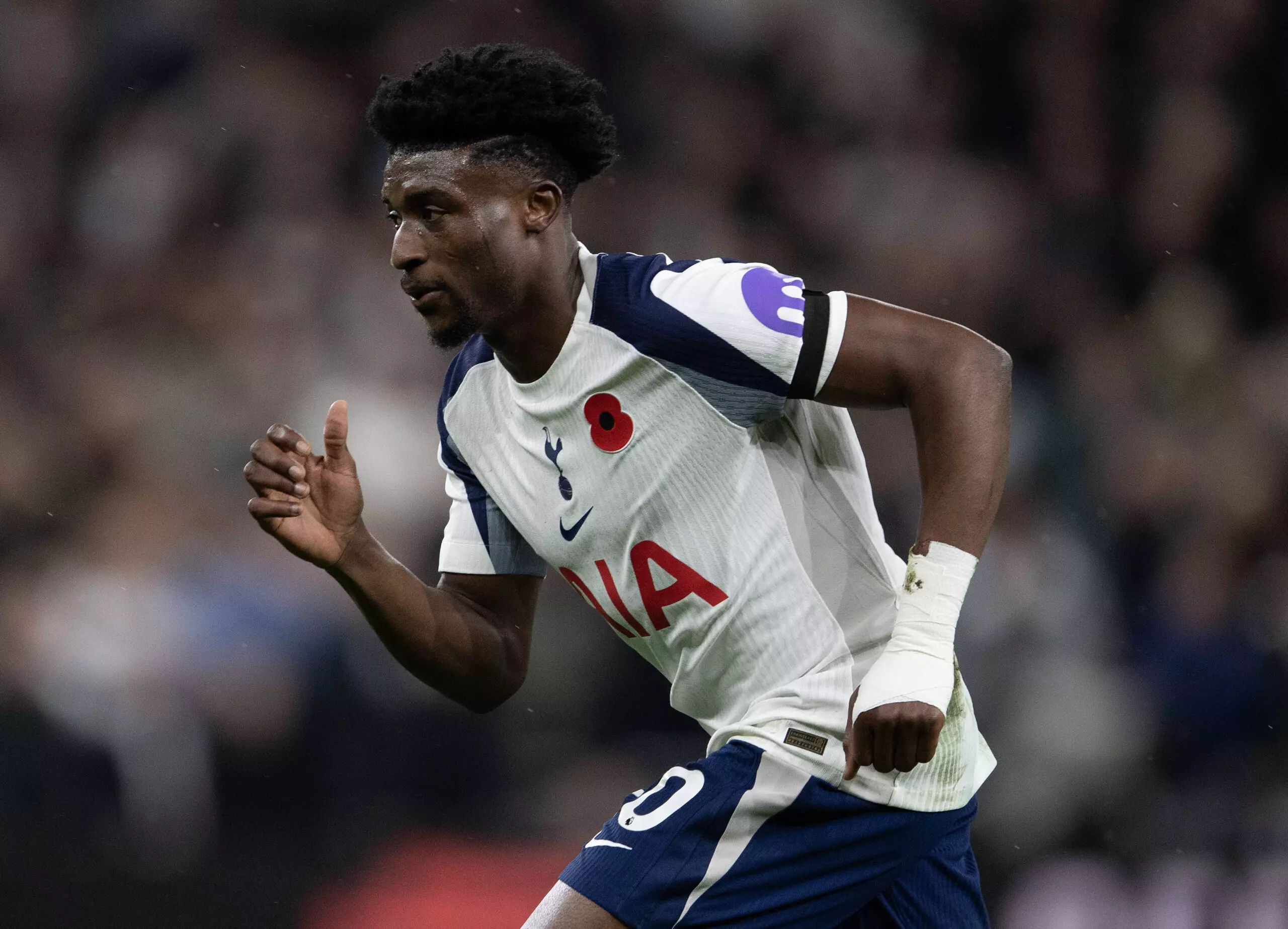
Even a January loan doesn’t guarantee salvation. The midfield competition is at its fiercest in years. Declan Rice is immovable. Jude Bellingham is generational. Cole Palmer is a creator that Tuchel values enormously.
Then come the surging names: Adam Wharton with his ice-cold composure, Anderson with his consistency, and Morgan Rogers with his fluid attacking influence. These players are not just performing – they are taking up space in Tuchel’s mind.
Mainoo, through no fault of his own, simply isn’t.
The stakes are unforgiving:
If he doesn’t play, he can’t make the squad. If he can’t make the squad, his World Cup window closes.
His next opportunity after 2026 isn’t until 2030 – half a decade away. And for a young midfielder, five years can reshape everything. A missed window can define a career.
This is why United’s reluctance to allow a loan feels less like a tactical decision and more like a risk to his entire international future. And that risk is becoming harder to justify, especially when the very same Manchester United squad depth is cited as a reason to hold him back, yet fails to actually rotate or develop him.
YOU MAY ALSO LIKE: Mohamed Salah’s Interview Outburst Shockingly Exposes Tensions With Liverpool and Arne Slot and Puts His Future in Doubt
The Reality: Why a Kobbie Mainoo Loan Move Makes Sense for Everyone
Keeping Kobbie Mainoo at Manchester United while refusing to play him creates a dead end for everyone involved.
United’s claim of Manchester United squad depth begins to fall apart when a player’s involvement is limited to stoppage-time appearances. Depth is only meaningful when trusted. Mainoo’s current role is neither rotational nor developmental – it is stagnant.
A loan unlocks what United’s bench cannot:
For Mainoo
- Consistent 70-90 minute matches
- Renewed rhythm and confidence
- Refinement of attacking instincts
- A real chance to re-enter the conversation for a Thomas Tuchel England selection ahead of the 2026 World Cup
For Manchester United:
- A more polished, match-ready midfielder returns
- The club avoids emotionally alienating a major academy asset
- His long-term value – as a future starter or financial asset – increases rather than erodes
By integrating all factors – minutes lost, tactical mismatch, international competition, and the urgency of his World Cup dreams – the outcome is clear:
Keeping him for depth benefits no one. Loaning him benefits everyone.
A Kobbie Mainoo loan move isn’t just a solution – it’s the logical, mutually beneficial path forward for both the player and Manchester United.
Main Photo
Credit: IMAGO / Sportimage
Recording Date: 08.12.2025