
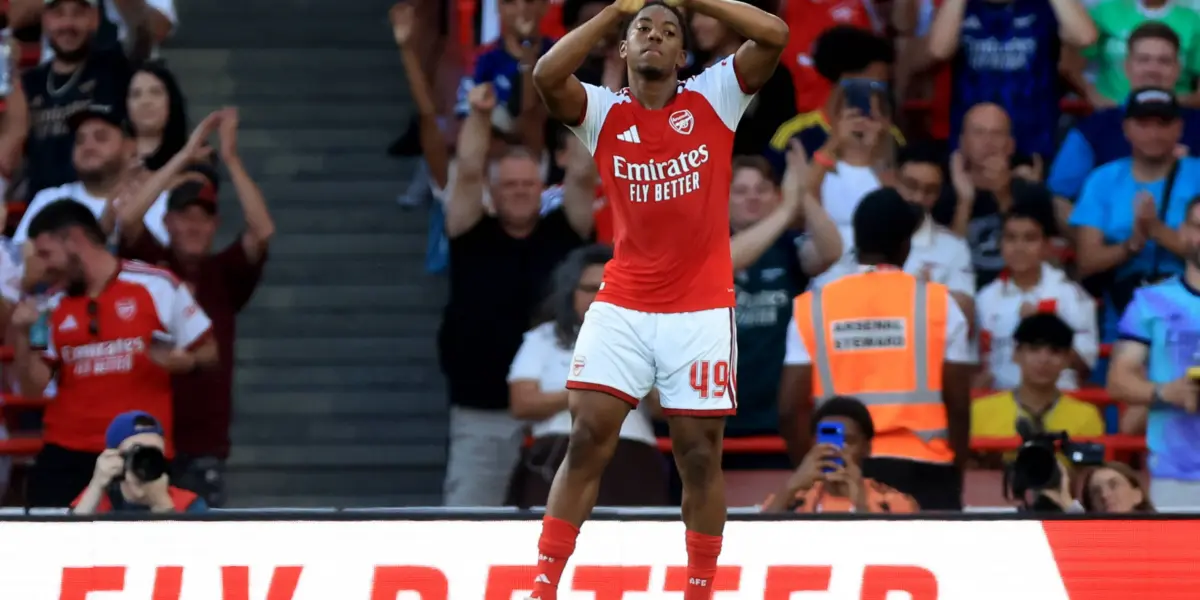
A promising chapter at Arsenal could be heading towards an unexpected turn, with uncertainty now surrounding the Myles Lewis-Skelly future as the summer transfer window 2026 continues to unfold.
That uncertainty has been fueled by growing interest from elsewhere, with Myles Lewis-Skelly reportedly linked to Manchester United and Chelsea, making a move increasingly possible as questions continue to surround his situation.
Much of that doubt also comes from Arsenal’s own plans for the squad, with the club strengthening with major additions, which seems to have placed Myles Lewis-Skelly future under serious consideration and made it a major topic of discussion.
All of this leaves plenty to consider around the England international’s next step, from his chances of continuing his development at Arsenal to what a new environment could offer. His next decision could have a major influence on the direction of his career, making his future at Arsenal worth examining closely.
Myles Lewis-Skelly Future: A New Squad, a New Question
The discussion surrounding Myles Lewis-Skelly future has been driven by the new-look Arsenal squad, with several signings ahead of the 2026/27 season.
Despite his strong end to last season, which included starting in the Champions League final against Paris Saint-Germain, the arrival of new midfield options has raised questions about his immediate pathway at the club.
Arsenal’s signing of Bruno Guimaraes to strengthen their engine room has also deepened the central midfield options, making it harder for Lewis-Skelly to secure regular minutes in a position where he is beginning to establish himself.
Arsenal’s midfield options now primarily consist of Guimaraes, Declan Rice, Martin Zubimendi, and Mikel Merino, leaving limited starts and minutes for Lewis-Skelly.
However, his ability to play as a midfielder and left back has been an asset, but it might now work against him if it positions him as a utility option rather than a specialist fighting for a clear starting place in the squad.
With four more years remaining on his contract, the current squad depth and dynamics nevertheless create questions and pressure over his development and regular minutes.
The questions now surrounding Myles Lewis-Skelly future are no longer centred around whether Arsenal values him, but whether he can secure the regular playing time needed to continue his swift progress at the top level.
When Staying Starts to Become a Risk
Despite the developments concerning Myles Lewis-Skelly future, he is believed to want to remain at his boyhood club, but that might come with some risk.
He played 20 league matches last campaign, with many of those minutes coming toward the end of the season, when he was used as a midfielder.
However, that role has now come with some new additions and several established midfielders, making securing starts in the central midfield role increasingly difficult.
At the same time, he is versatile and can also play as a left back, but Riccardo Calafiori and Piero Hincapie appear to be ahead of him in that role, which could reduce his playing time at left back.
Another season as a rotational or bench option could reduce his continuous game time and might alter his rapid development at 19 years old.
Being a reliable utility player risks him being viewed as just squad cover rather than an indispensable starter, and at this stage of his career, regular first-team football is more valuable for long-term growth.
Myles Lewis-Skelly future ultimately boils down to staying without guaranteed regular minutes at Arsenal, which carries the risk of slowing down his trajectory, or making a move that offers a clearer path to consistent starts.
Chelsea or Manchester United: Which Door Opens Faster?
Lewis-Skelly’s next move becomes the next major discussion if leaving the club for regular minutes becomes his next option.
In that regard, the reported stories surrounding a Myles Lewis-Skelly transfer have him linked with a move to Chelsea or Manchester United.
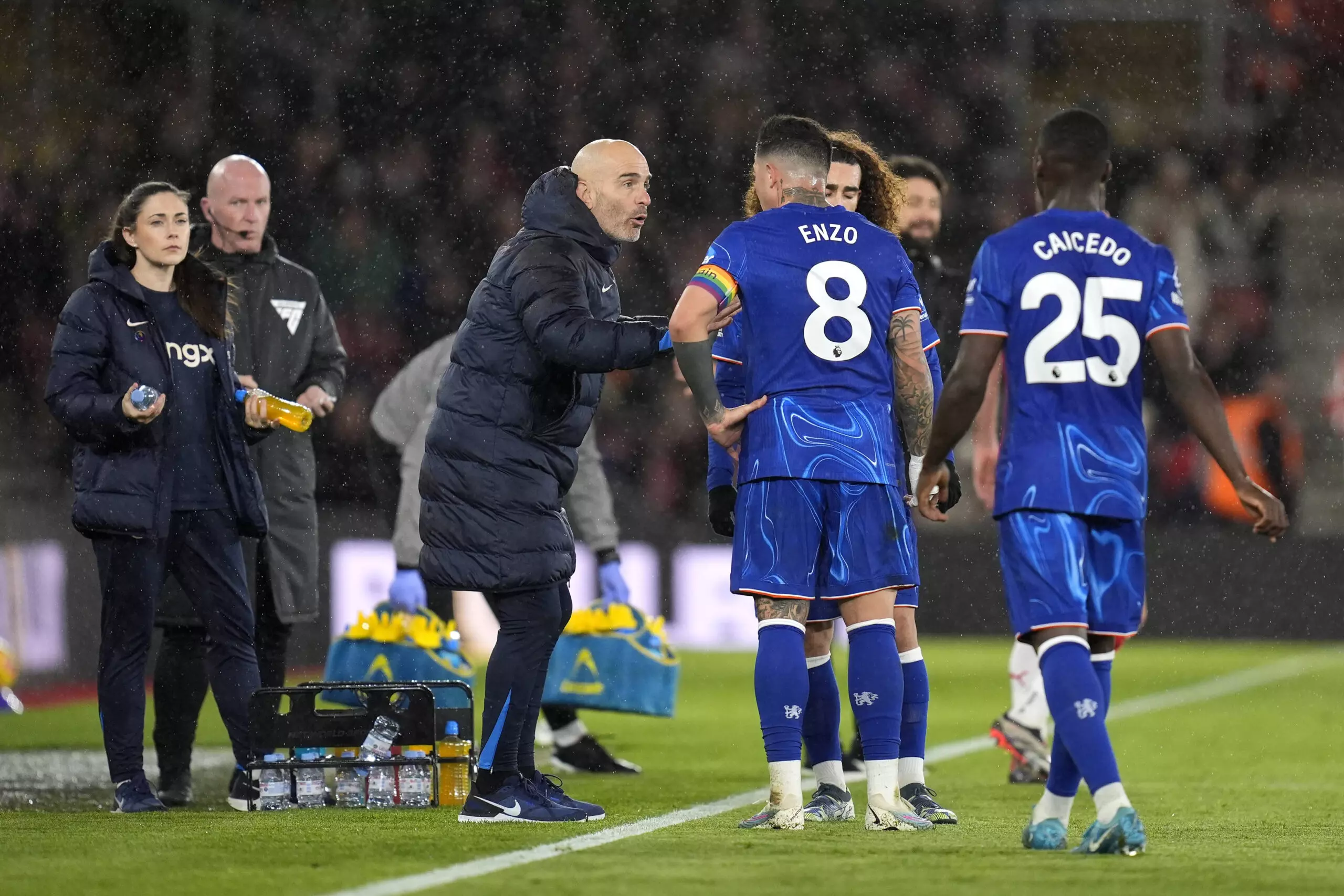
Chelsea could offer him a young and high-potential squad environment, with opportunities to play both left back and midfield, especially if Enzo Fernandez departs.
Manchester United, on the other hand, offers a clear need at left back, especially with Patrick Dorgu playing in a more advanced attacking position from last campaign. There are also midfield rotation options at a team rebuilding in that department while competing in the Champions League.
Playing-time opportunities at Chelsea come with competition, but there is potential for regular minutes if he is used as a versatile option or if some players leave in the summer. Meanwhile, there is a more immediate chance of consistent involvement at Manchester United, particularly as a left back or rotational midfielder where depth is currently limited.
With both clubs offering different pathways, the Myles Lewis-Skelly transfer must be based on his development as a key factor and which club provides the clearer route to regular minutes and rapid growth, rather than simply choosing the biggest name or reputation.
United offers a positional gap that might allow him to establish himself faster, while Chelsea offers a higher-ceiling long-term project with greater internal competition.
YOU MAY ALSO LIKE: Analysing Another Nightmare Summer Window for Newcastle United

What Lewis-Skelly Actually Needs at 19
Lewis-Skelly is at an important age in his career where consistent development and progress are crucial to his trajectory.
Consistent minutes are essential at this age to build rhythm, match fitness, confidence, and better decision-making under pressure.
Alongside regular game time, continued tactical development is also crucial, with exposure to high-level coaching that can structure his ability, positioning, progressive carrying and passing, and positional discipline.
He also needs a manager and coaching staff willing to contribute heavily to his growth, opportunities, and managing his minutes carefully.
Getting regular playing time at 19 years old in a competitive environment is essential, which could outweigh remaining at a top club where minutes are limited and make playing time a major factor in the Myles Lewis-Skelly transfer decision.
An ideal setting is also required that offers strong competition to push him higher while still guaranteeing enough minutes for appearances, which is needed to accelerate his progress.
Therefore, any decision on Myles Lewis-Skelly future should be centred around where he can improve most effectively rather than simply reacting to reduced minutes or interest from other clubs.
The Path That Makes the Most Sense for Lewis-Skelly
Myles Lewis-Skelly future remains an interesting story as it becomes clearer as the transfer window unfolds.
However, the path that ultimately suits his career most depends on where he gets regular game time to continue developing and a clear tactical role to build consistency.
Arsenal remains a strong environment, but the current squad competition has to be considered, while Chelsea and Manchester United offer different opportunities. A move only suits him if it genuinely improves his development.
Overall, the final decision should be based on what gives him the best platform to become the player he has the potential to be, rather than simply choosing the biggest club or the quickest route to playing time.