

It is no exaggeration to say that football rules the rhythm of the weekend. Kick-off times dictate when the drinks are poured and when the chairs are filled. For a period of ninety minutes and longer, the pub is governed by the TV. The singing subsides and the groaning begins as a result of a wayward pass. However, as the final whistle blows and the analysis drifts into the background, another factor gradually assumes primary importance.
There is an unseen transition in the pubs across the country. The televisions are still on, but the focus isn’t there. People stretch and talk a little louder than before. They look around at what is to come. That is where the dart game becomes relevant, the game that grows from the sidelines of football without displacing it.
Darts is perfectly suited for this moment. It doesn’t interfere with conversations. Its presence doesn’t require every individual to participate; people participate, others watch, and others gaze while chatting about the match just concluded.
The pace is forgiving. The rules are familiar enough that no one needs an explanation. It is a sport on a human scale. That is also why interest around darts betting tends to surface in these moments, not as a focal point but as part of the wider pub discussion. Talk drifts from missed chances and questionable refereeing to who might finish strongest tonight, or who always seems to hit their doubles when it matters. It is casual, observational, rooted in familiarity rather than analysis.
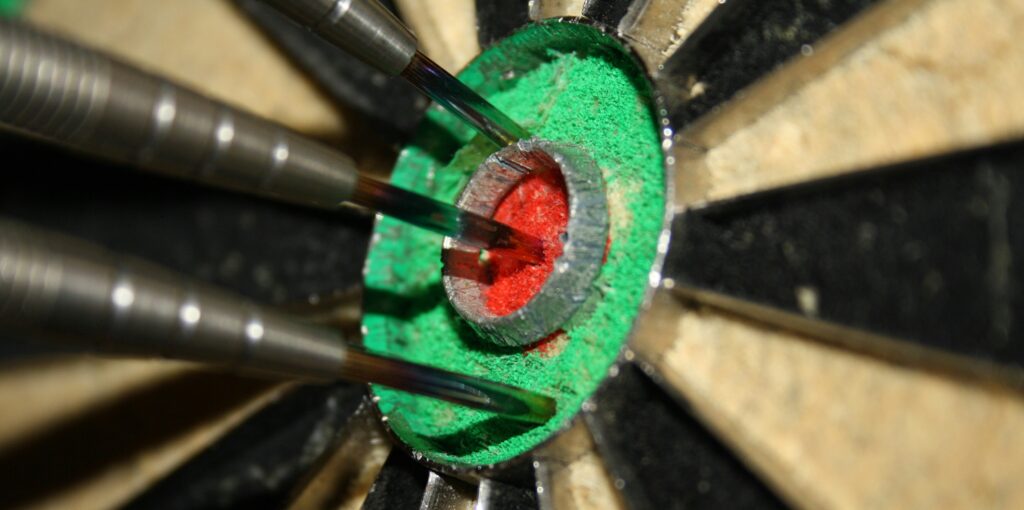
Why Darts Fits the Pub Better Than Any Other Sport
The pub is not built for intensity to last forever. Football can dominate because it arrives with a clear start and end. Darts thrives because it does not insist on that structure. A game can begin and end without ceremony. Another can start five minutes later. There is no obligation to watch from the first throw to the last.
This flexibility matters. Pub culture is social first, competitive second. Darts respect that order. It allows people to drift in and out without losing the thread. You can miss a leg and still feel involved. You can lose early and stay engaged.
There is also something reassuring about how little darts has changed. Boards look the same. The rhythm of the play feels familiar. In a sporting world obsessed with innovation and reinvention, darts has remained recognisable. That familiarity lowers the barrier to entry. Anyone can step up, even if they have not thrown in years.
Football Fans Already Understand Darts
Football supporters are better prepared for darts than they might realise. They understand pressure. They know what it means to perform in silence, to feel the weight of expectation. A penalty in a tight match is not so different from a double to finish.
That shared emotional language explains why darts feels so natural after football. Fans instinctively recognise the tension. They appreciate the small moments. A clean checkout can earn the same nod of respect as a well-worked goal.
This crossover has quietly shaped how darts is watched and discussed. The same people who argue about form and confidence in football apply similar thinking to darts without consciously trying to. It feels intuitive.
Downtime Does Not Mean Disengagement
When football finishes and explosive exists from clubs from weekend matches have been spoken about, interest does not disappear. It shifts. Darts offers a way to stay engaged without the emotional investment football demands. It is competitive without being exhausting.
This is important. Modern sport can be relentless. Fixtures pile up. Coverage never stops. Darts provide a softer landing. It keeps the pub lively without pushing the room back into high alert.
The soundscape changes too. Football brings chants and shouts. Darts bring murmurs, laughter, the occasional cheer. It suits the later hours, when people want activity but not intensity.
Why This Pattern Persists
The relationship between football and darts in the pub is not accidental. It has been shaped by decades of habit. Televised darts grew alongside football coverage. Pubs adapted their spaces accordingly. Boards were mounted because they were used.
Even now, with countless entertainment options available, this pairing endures. It works because it respects the social nature of the setting. Darts does not compete with football. It complements it.
A Sport That Understands Its Role
Darts has never tried to replace football. It has never chased dominance. Its strength lies in knowing where it fits. It thrives in the margins, in the moments between bigger events.
That humility is part of its appeal. It asks little and offers plenty. A bit of competition. A bit of focus. A reason to stay for one more drink.
The Quiet Constant
Football will continue to own the weekend. It always has. But when the final whistle blows and the pub settles into a different rhythm, darts will be there. Waiting. Familiar. Ready.
It is not the headline act, and it does not want to be. It is the sport that understands downtime. And in the pub, that might be its greatest strength.
Photo by Oliver Buchmann on Unsplash