
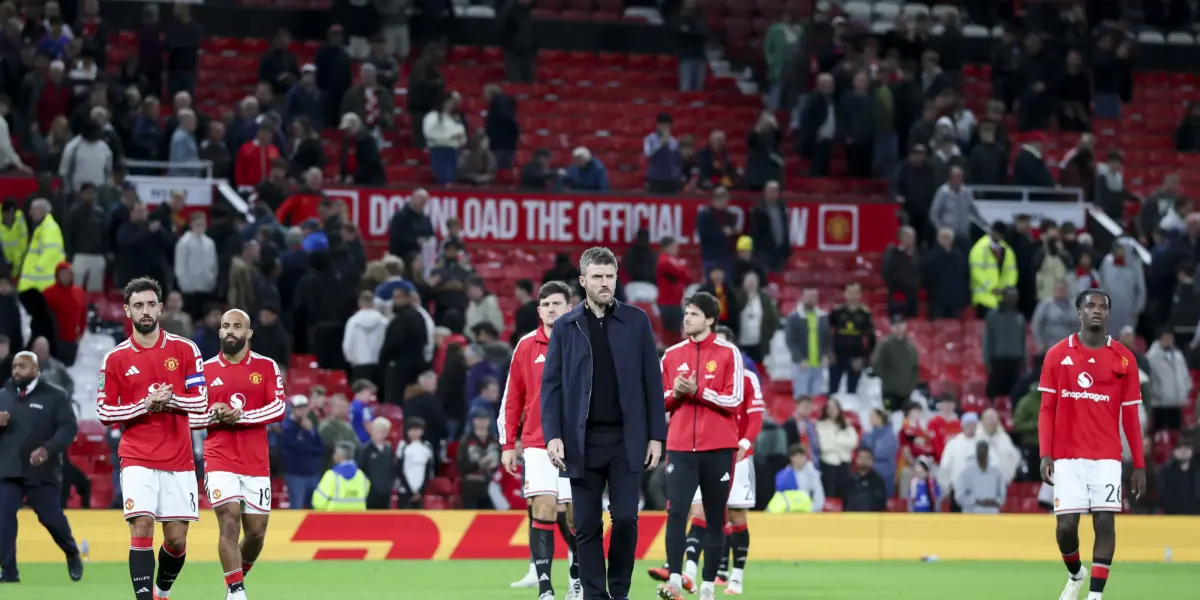
The season has taken off, but not so much for the Manchester United faithful. After a promising pre-season, they have seen their team crash to three defeats within their first six games, bowing out of the Carabao Cup early once again after last year’s embarrassing loss to Grimsby Town at the same stage of the competition.
However, it’s not just the poor results that have soured the mood at Old Trafford. In a club that lives and breathes attacking football, the team’s passive approach to games has baffled fans all over.
With the club performing poorly on running metrics, fans are beginning to question Manchester United’s fitness standards right at the start of a new season.
But what really lies behind Manchester United’s fitness and these numbers? Are the team’s running stats a damning indictment of Carrick’s tactics, or is there no correlation between how hard a team runs and how successful they are? Let’s find out.
Michael Carrick’s Tactical Identity: What We Know So Far
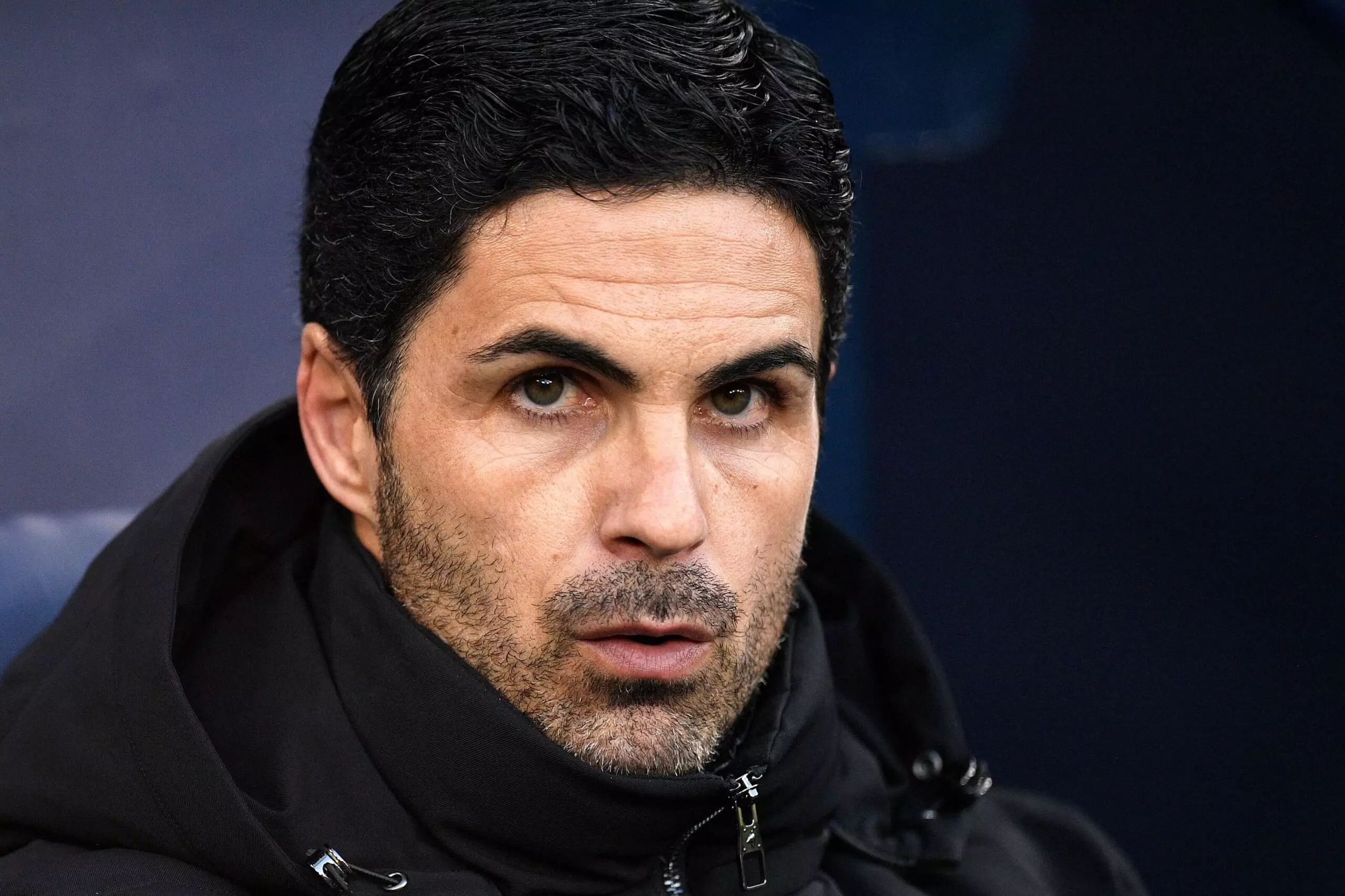
Carrick’s interim reign began unbelievably well – after taking over temporary charge of the club, Carrick won approximately 70% of all his games, winning more consistently than any other manager since Sir Alex Ferguson. Understandably, fans were raring for him to assume the role permanently.
However, his brilliant campaign last time around has not replicated this season yet.
Encouraging Relational Play: Why Carrick Prefers Giving Players Freedom
One of the most important underlying principles under Carrick is the freedom players get to make their own choices. He does not believe in practising every single pattern beforehand, or any for that matter – instead, he advocates short-passing sequences under a larger possession-based approach.
However, apart from this constraint, the players are free to exercise their own creativity on the pitch, striking up relationships with other players that help them maximise each other.
Lack of Intensity: A Pitfall of Carrick’s Coaching?
However, despite the team buying into his light-handed approach to management, it has prompted another issue: lack of intensity.
With only a broad approach to the game defined, without adequate automatisms and rehearsed patterns of play, the team struggle to take initiative, especially against more conservative opposition. Carrick doesn’t want his team to go flying off the blocks – they tend to start games slowly, allowing the opposition to build confidence.
However, with no real intensity in their approach to games, and without automatic patterns to fall back into, the players often don’t know how to up the gear. The result? The team appears sluggish in phases, leading fans to question Manchester United’s fitness standards.
To shed more light on this, Matheus Cunha’s post-match comments after the game against Fulham prove insightful:
“The beginning of the second half [Fulham] put more energy into the game than us and we cannot accept this. We always play better after conceding the goal which can’t happen.”
Indeed, without a clear plan of how the game will unfold, players often depend on the impetus of conceding a goal to switch on. This is evidently an unsustainable approach, one that needs the attention of Carrick and his coaching staff.
However, not all signs point downwards. The club has operated smartly in the transfer market, bringing in crucial midfield replacements for Casemiro and the long-term injury absentee Manuel Ugarte.
With a good showing in pre-season, the club had built up a lot of expectations – and Manchester United’s fitness concerns and poor running stats may not necessarily mean the team fares poorly this season.
READ MORE: Poland UEFA Nations League Squad 2026: A New Beginning For The Poland National Team

Putting it into Perspective: Can Manchester United Do Better while Running Less?
The short and simple answer: Yes.
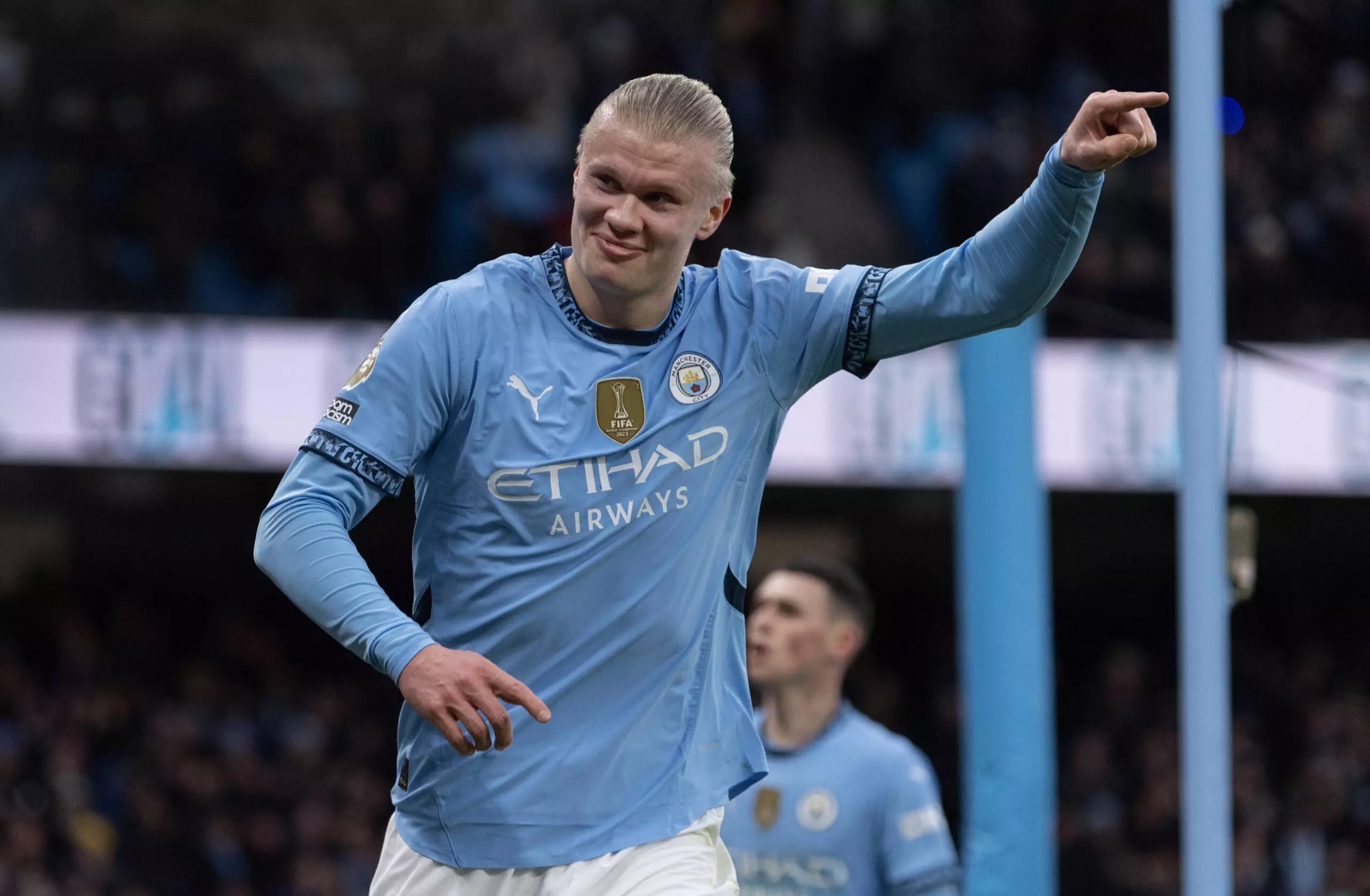
The current leaders of the Premier League, Manchester City, in fact run less than their neighbours. Even if you span your attention to previous winners, you find no correlation between how hard your players run and whether they attain the Premier League title or not.
In the 24/25 season, for instance, Liverpool under Arne Slot finished 16th in terms of average distance covered, yet went on to win the title.
Under Guardiola, Manchester City were never one of the hardest-running teams in the league; yet they became one of England’s most successful sides under him. However, not only does running less not cause any disadvantage for the club from North England, but it might have other positive ramifications too.
Michael Cox, tactical analyst for The Athletic, explained how Carrick’s defensive setup was a relic of the Premier League’s glorious past that entertained us plenty. In modern football, he says, the approach is simply to close down the opponent as soon as you don’t have the ball – man-marking has become the default, sometimes across the entire pitch.
Given Manchester United’s fitness woes and a general lack of mobility in the squad, Carrick is perhaps still tweaking his approach to accommodate his team’s weaknesses. With Harry Maguire, Lisandro Martinez and Youri Tielemans starting, there is a notable lack of mobility and a lack of ‘legs’ across key positions.
What Carrick is looking for are technically competent passers in midfield to overcome this issue. Some of the recruitment this summer has already helped him plug this gap, and the integration of the club’s newest signing, Carlos Baleba, will certainly strengthen this area further.
But until then, the team runs the risk of looking passive every now and then, and with the club marking their poorest start to a PL campaign, playing passively is not going to win over the fans.
Manchester United’s Fitness Concerns: Why Fans Don’t Need to Worry
We get it: the United faithful are tired. With another season threatening to derail right from the start, they’re right to worry about another year being wasted by the club hierarchy.
However, while the team might look passive on occasion, Manchester United’s fitness worries might not entirely be based in fact. With previous Premier League winners and the current leaders serving as proof of a team’s pedigree without outrunning opponents, the club need not fear; it might be headed in the right direction after all.
To help you understand Carrick’s side better, I’ll leave you with a quote from his time as a player under Moyes:
“Being fair to David, he was looking for a chink [when he said he could make us run more]…
“We’d just won the Premier League by 11 points, scored 11 goals more than anybody else, and won a lot of games as well, with scores like 3-0, 4-0. Our running stats were never that big anyway but we came from behind to claim 29 points that season, so we must have been fairly fit, as well as committed.”
The quote helps us understand Carrick’s football philosophy better, with the manager no doubt drawing inspiration from Sir Alex’s free-flowing attacking football. It would certainly be interesting to see if he’s able to translate his vision onto the pitch and make the club a formidable footballing giant again.
ALSO ON ETT: Angel Rodado Form: Wisla Krakow’s Talismanic Striker Returns With A Vengeance
Extra Time Notes
Much has been made of Manchester United’s fitness woes and a lack of intensity on the pitch. With only five points from five games, the start compounds the club’s poorest start to a Premier League campaign, putting manager Michael Carrick under the cosh and leaving the fans demanding better.
However, Carrick’s philosophy is built around giving players freedom within a broader possession-based structure, rather than relying heavily on rehearsed patterns and automatisms. Moreover, his defensive approach is based on zonal marking rather than man-marking, which has made Premier League football extremely cut-throat without a moment’s peace for players anywhere on the pitch.
A look at the current league leaders, Manchester City, tells us that players don’t need to outrun others to do better – a statistic validated by previous PL winners Liverpool (2024/25) and Man City (2022/23) as well.
Thus, while Manchester United’s fitness appears to be in question, it shouldn’t worry fans because Michael Carrick is doing something more important – he’s building a strong technical core at the centre that can keep the club playing beautiful football for more years to come.
More Premier League News
Marcus Rashford Form: How Can Manchester United Star Regain Goal-Scoring Touch?
Premier League 2026/27 Season: The Underdogs Rewriting the Early Script